The Islamic Republic of Iran has faced US economic sanctions for decades, which restricts its international trade and complicates the sale of its oil, the main source of revenue. The situation is aggravated by the blockade imposed by the US on Iranian ships and ports in the Strait of Hormuz, amid the war.
After failing to subdue Tehran by force, US President Donald Trump announced a 'more devastating economic operation ever undertaken against any country,' dubbed the 'Day D economic' campaign against Iran, aiming to end a conflict approaching six months and reopen the Strait of Hormuz.
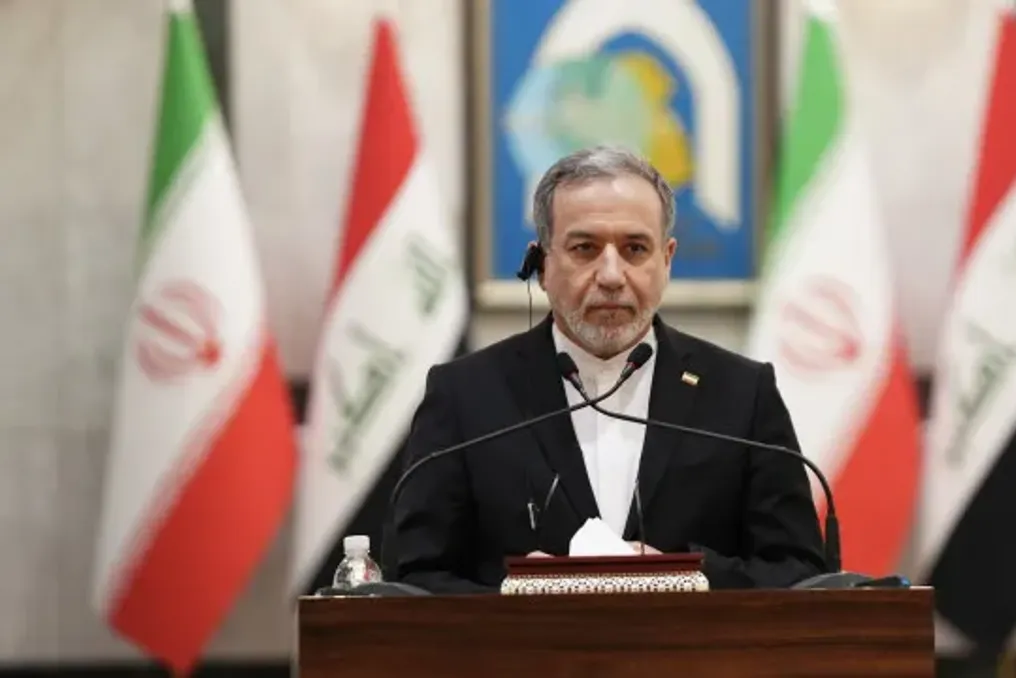
Authorities in Tehran responded to this new threat with a defiant stance. Iranian Foreign Minister Abbas Araghchi stated on the social network X that they have already experienced similar situations, asserting that 'other aggressors' have also tried to impose conditions, and recalled that Washington has applied various sanction campaigns in recent years without achieving its goals.
Additionally, the spokesperson for the Iranian Foreign Ministry, Ismail Bagaei, assured that such measures will not affect Iran's position in the conflict.
Despite the government's defiant rhetoric, the country's financial condition is severe and worsening monthly. Annual inflation recorded in July reached 87.9%, with the increase in the food and beverage segment being 128%. Unemployment rose from 7.3% to 9.1% in the last year, resulting in the loss of approximately 450,000 jobs, not counting the nearly two million positions lost during the war, according to official data.
This deterioration fuels popular discontent, as the population's quality of life declines. A 64-year-old resident of Tehran told EFE Nahid that they are getting poorer daily and facing difficulties acquiring essential items, expressing concern about the ability to withstand the disastrous situation, mentioning that families are suffering greatly.
Other Tehran residents confirmed the financial strain; Fatima, 39, said it was impossible to 'feed her children properly.' She emphasized that it is always ordinary citizens and the most needy who bear the costs of war and conflicts.
The situation could intensify with new sanctions, the content of which has not yet been disclosed by the US. However, Treasury Secretary Scott Bessent warned countries providing 'any kind of vital aid to Iran' about the economic consequences they will suffer.
China is among the countries assisting Iran, purchasing about 90% of Iranian oil at reduced prices, and it remains uncertain whether it will support US sanctions. The United Arab Emirates (UAE) is another crucial economic partner, having recently announced the suspension of all its commercial relations and financial transactions with the Persian country.
Before the start of the war, Abu Dhabi was one of Tehran's main trading partners, accounting for about 30% of Iranian imports, valued at 21 billion dollars (approximately 18.6 billion euros) in 2024, according to World Trade Organization data.
Analysts agree that it is unlikely Iran will yield to economic pressure, even given the difficult national situation and growing popular discontent. Danny Citrinowicz, a researcher for the Israeli National Security Studies Institute's Iranian program, commented on X that if the goal is to cause the collapse of Iran or force its leaders to capitulate and grant strategic advantages, this campaign probably will not achieve its purpose.