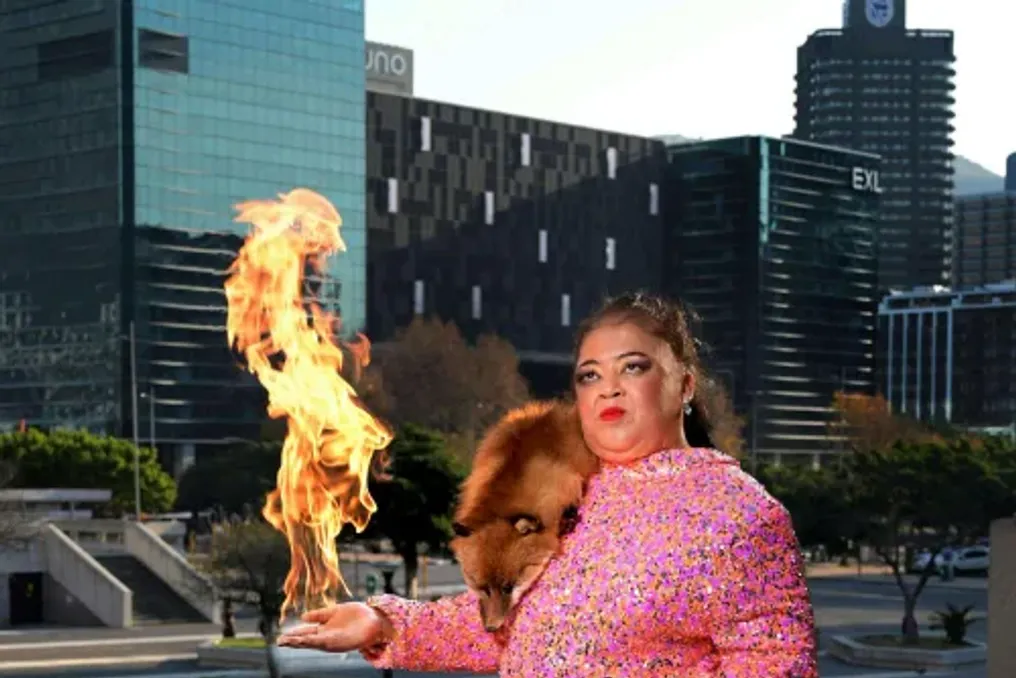
Jerminah «Jeri» Mookana, owner of Laud Beauty, spent over ten years developing brands, shaping consumer experiences, and working in the dynamic world of e-commerce. However, her drive to create her own venture stemmed from a more personal connection to beauty, inherited from her late aunt, who highly valued organic beauty and conscious self-care.
Today, Laud Beauty presents a carefully curated collection of luxury clean cosmetics, bringing independent and artisanal beauty brands from around the world to consumers in South Africa. Mookana emphasizes that her goal was never simply to add another cosmetics retailer to an already saturated market.
She aimed to create a space where every brand was chosen for a compelling reason, and where conscious beauty could remain luxurious, enjoyable, and delightful, rather than just another item in an endless catalog.
Finding a Niche in the Beauty Market
Despite the strong presence of the natural and clean beauty market in South Africa, Mookana did not aim to reinvent it. Instead, she saw an opportunity to create something more niche and thoughtful. Drawing on her own consumer experience, she began exploring independent global brands that possessed unique visions, interesting formulations, and clear missions.
Her background in brand strategy allowed her to view the beauty industry differently: instead of focusing on popularity, she concentrated on why a brand existed, what it offered, and whether it had anything meaningful to say. This approach became central to Laud Beauty, as the business is intentionally curated rather than built around the largest assortment; for Mookana, selection is only valuable when customers can trust the logic behind it.
What Luxury Beauty Means to Her
For Mookana, the concept of luxury is not limited to price or exquisite packaging; it resides in the details. It might be the texture of a serum, the feel of a cream upon application, or the sensory experience of using a beautifully composed product. She notes: «I love luxurious textures, beautiful sensory experiences, and mood-boosting rituals.»
This distinguishes her approach to clean beauty: conscious cosmetics do not have to appear clinical or harsh. A skincare product can be thoughtfully designed while still evoking a genuine desire to use it, and for Mookana, this pleasure is part of the ritual. She believes luxury should be felt, not just displayed.
Looking Beyond the Clean Beauty Label
Since the term 'clean beauty' is widely used in the industry, Mookana is convinced that consumers should ask more questions rather than simply accepting a label. At Laud Beauty, this means meticulously examining ingredients, their origins, sourcing methods, and manufacturing processes. It is also important to assess how well the brand's claims hold up to scrutiny.
The company considers ingredient quality, efficacy, responsible sourcing, cruelty-free practices, and ethical production. However, Mookana insists that the brand itself—its philosophy, operational methods, and authentic point of view—is equally important. Her personal relationships with many brands also play a role, as these are not just products found online, but items she would personally use and recommend.
Bringing Global Beauty to South Africa
As a Black South African managing a premium beauty business, Mookana pays attention to representation and accessibility. For her, representation goes beyond simply seeing people who look like you in advertising campaigns; it also means having access to choice, expertise, and the opportunity to experience the same level of innovation and sophistication found in major global markets.
She wants consumers in Africa to have access to brands they might encounter in cities like London, Paris, or New York. Furthermore, she does not simply import everything that becomes an international trend; each brand must have a reason to be present in South Africa, considering its composition, experience, philosophy, and resonance with local consumers.
From Corporate Leader to Beauty Entrepreneur
One of Mookana's biggest challenges was transitioning from building other people's brands to staking her own judgment on every decision. Her corporate experience provided her with knowledge of strategy, consumers, and strong branding, but creating Laud Beauty required trusting those skills while simultaneously developing something that was uniquely hers.
This transition demanded a different kind of confidence. Instead of competing with the noise of a saturated market, Mookana chose selectivity. The most significant moments often came through customers—observing someone encountering a brand for the first time, delighting in a certain texture, or finding a product that changed their daily ritual reinforced her resolve to start this business.
Building Something for the Next Generation
Mookana hopes that Laud Beauty will serve as an example for women wishing to build businesses in the beauty and luxury sectors. Her message is that it is possible to create something globally significant from Africa without diluting one's own perspective. She asserts that «there is immense creative potential, talent, and entrepreneurial energy across Africa.»
Her own journey has shown that purpose and commercial ambition do not have to contradict each other, and African identity does not necessarily have to be separate from international chic. This may be the biggest idea of Laud Beauty: a business built around carefully selected products, but also around the conviction that beauty can be meaningful while retaining a sense of pleasure. The goal is to create a luxury beauty experience that is thoughtful, highly effective, and sensory, introducing South African consumers to brands they might otherwise never encounter.