Uzbekistan and Mordovia Plan Joint Industrial Projects
Read more
UzDaily
uzdaily.uz

Uzbekistan and Mordovia Plan Joint Industrial Projects

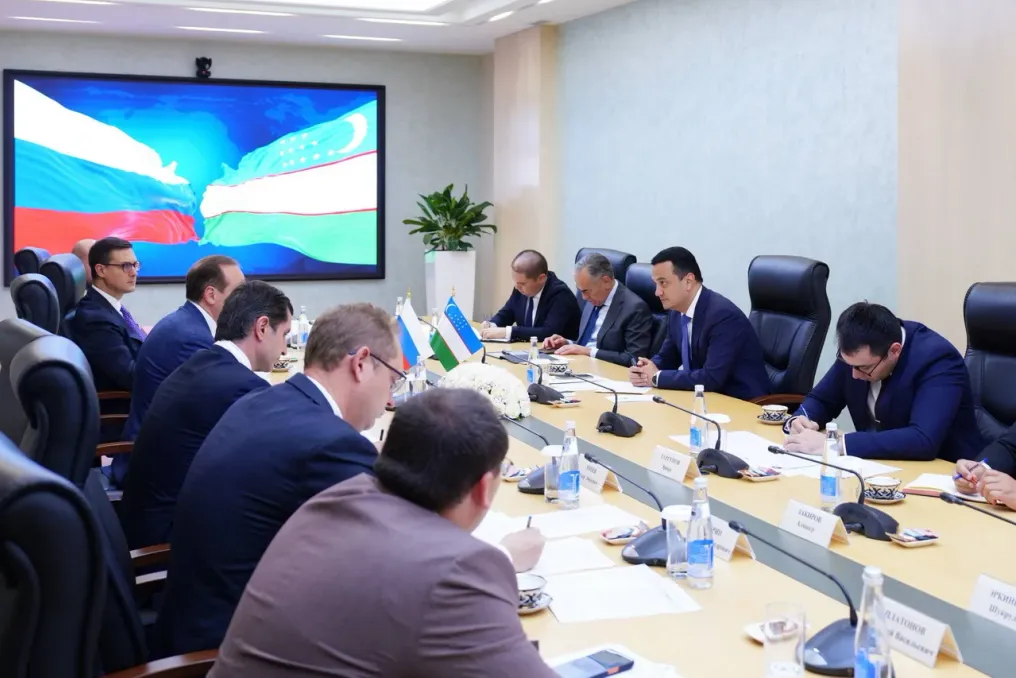
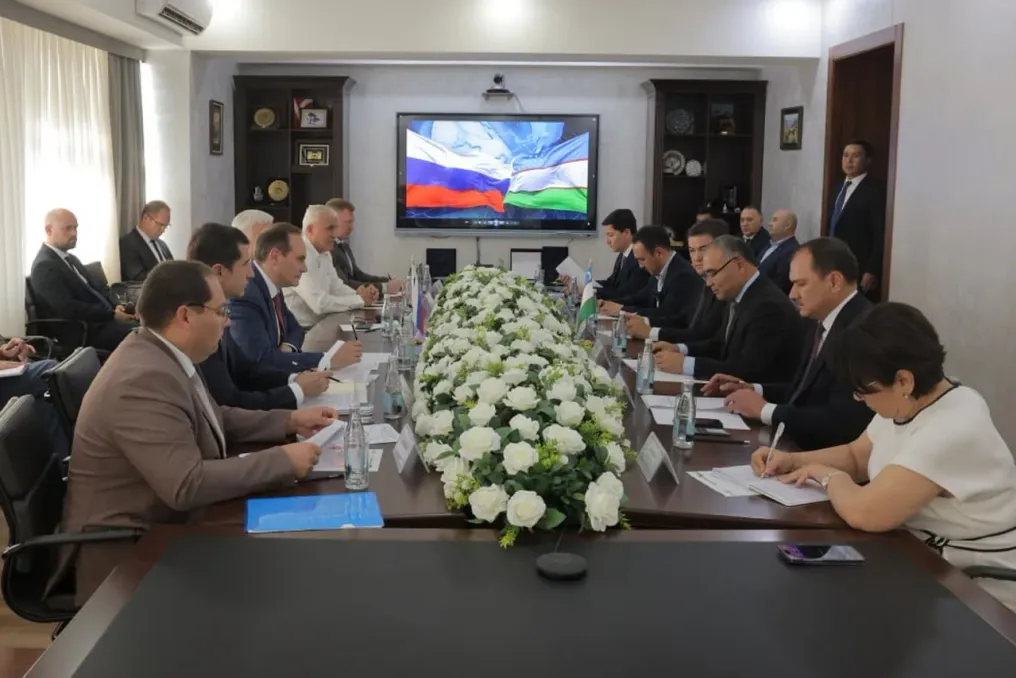
The Minister of Investment, Industry and Trade of Uzbekistan, Laziz Kudratov, met with the Head of the Republic of Mordovia, Artem Zdunov, on August 20, 2026, to discuss expanding trade ties, economic relations, and industrial cooperation, according to UzDaily.uz.

Discussion of Cooperation Areas

During the negotiations, the parties focused on implementing joint projects in sectors such as pharmaceuticals, electrical engineering, metallurgy, agriculture, woodworking, and information technologies. Additionally, the possibility of establishing new production facilities in Uzbekistan's industrial parks located in the Bukhara, Navoi, and Jizzakh regions was examined.

Measures aimed at strengthening direct contacts between enterprises were also discussed. Following the meeting, an agreement was reached to accelerate work on specific initiatives in the field of joint investment and cooperation. Business representatives and relevant state bodies from both regions will continue to work together to implement these initiatives.

Similar stories

Uzbekistan and Mordovia plan to expand cooperation in the agricultural sector
Read more
uzdaily.uz

Uzbekistan and Mordovia plan to expand cooperation in the agricultural sector

The Ministry of Agriculture of Uzbekistan reported that Uzbekistan and the Republic of Mordovia of Russia intend to deepen interaction in the fields of agriculture, food processing, and animal husbandry. These issues were discussed by the Minister of Agriculture of Uzbekistan, Ibrohim Abdurakhmonov, and an official delegation from Mordovia led by regional head Artem Zdunov.

The parties focused on increasing trade in agricultural and food products, establishing direct links between enterprises of the two regions, and implementing joint projects. Special attention was paid to improving the practical effectiveness of previously reached agreements.

Trade between Uzbekistan and Russia in the agro-industrial complex continues to grow. In 2025, the volume of this trade reached 2.3 billion US dollars, which is 26.7% more than in the previous year. From January to July 2026, the figure amounted to 1.55 billion US dollars, demonstrating a growth of 31.7% compared to the same period in 2025.

During the meeting, possibilities for further increasing trade through projects involving companies from Mordovia were also considered. Discussions covered the supply of sugar, the promotion of Uzbek fruit and vegetable products in Russian retail chains, and establishing direct contact between food producers.

Cooperation with the company Romodanovo Sugar was discussed separately, within which the parties considered the possibility of increasing the supply of this company's products to the Uzbek market. Furthermore, representatives from Uzbekistan and Mordovia talked about interaction in animal husbandry. Specifically, they plan to use the experience of the Russian region in meat and dairy production to increase livestock productivity and introduce modern feeding technologies.

The parties also studied the potential for joint projects in training specialists for the agricultural sector. Thus, it is planned to develop cooperation not only in trade but also in production, technology, and personnel training. At the end of the negotiations, the participants emphasized the need to strengthen direct ties between enterprises of Uzbekistan and Mordovia and turn existing agreements into real projects. Ibrohim Abdurakhmonov stated that the Ministry of Agriculture is ready to support initiatives of mutual interest.

Uzbekistan and Serbia Expand Agricultural Cooperation Through Delegation Visit
Read more
uzdaily.uz

Uzbekistan and Serbia Expand Agricultural Cooperation Through Delegation Visit

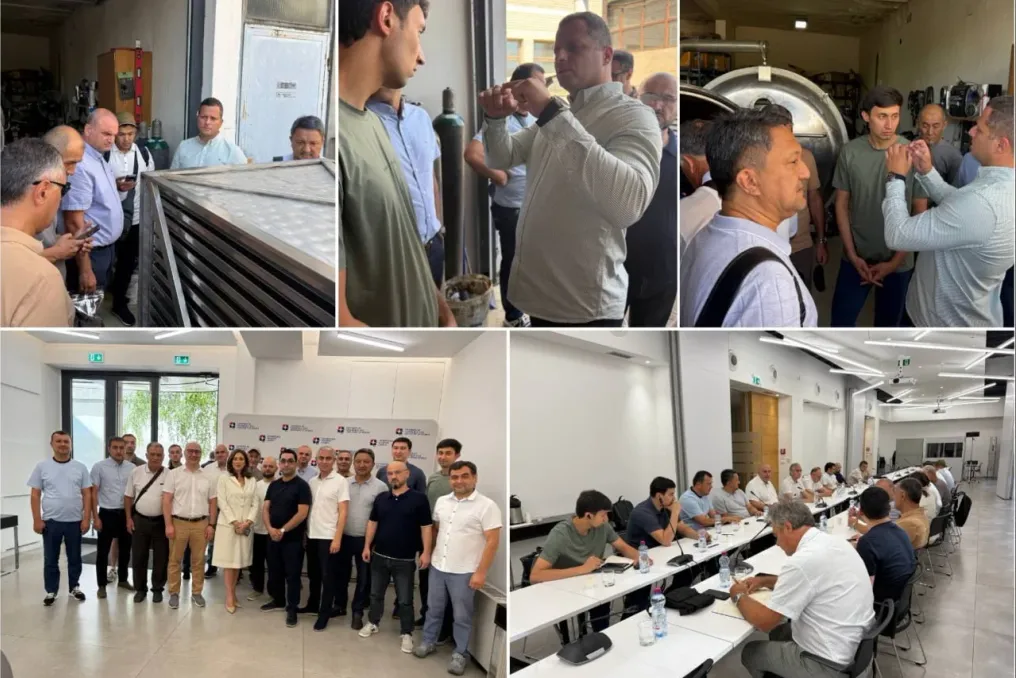
Uzbekistan and Serbia are strengthening practical interaction in the agro-industrial sector. As part of this cooperation, representatives of Uzbek small and medium-sized businesses specializing in freeze-dried fruit products and dried prunes visited Serbia from August 17 to 21.

The mission was organized by the International Trade Centre (ITC) under the Trade Promotion East program with the support of the Ministry of Investment, Industry, and Trade of Uzbekistan. The main goal of this program is to enhance the export potential and technological capabilities of domestic producers.

During the visit, entrepreneurs studied modern methods for producing freeze-dried products and prunes, post-harvest processing technologies, quality control systems, packaging solutions, as well as approaches to promotion and brand development.

The program started in Belgrade with a meeting at the Serbian Chamber of Commerce and Industry. The Uzbek delegation familiarized itself with the experience of developing export-oriented agriculture, as well as the mechanisms of interaction between business, industry associations, and state structures.

Entrepreneurs also visited Serbian companies and research organizations engaged in the production and processing of fruits and vegetables. The program included visits to the enterprises Zafruit, FRIKOS, ELBI (LyoCake), Podgorina Fruct, Jovanović Voće, Processing TM, Agro Corp Duo, and the Fruit Research Institute in Čačak.

At the production and research facilities, participants studied fruit drying and processing technologies, quality control systems, modern packaging solutions, and organization of supplies to foreign markets. Practical sessions were supplemented by expert discussions on food safety, innovation, and increasing the added value of products.

It is planned that the acquired knowledge will be used for the further development of the export activities of Uzbek companies. The next stage will be business meetings with foreign buyers and partners.

B2B meetings with importers and distributors are scheduled for August 22 in Zagreb and August 24 in Ljubljana. Uzbek firms will be able to present their products, discuss the requirements of European buyers, and study opportunities for entering new external markets.

Thus, the program combines training producers in technologies with finding potential partners and new sales channels. For participating companies, this opens up opportunities to improve the competitiveness of fruit and vegetable products, implement modern production methods, and expand their presence in export markets.

Belarus and Uzbekistan plan to expand cooperation in medicine, education, and industry
Read more
uzdaily.uz

Belarus and Uzbekistan plan to expand cooperation in medicine, education, and industry

Belarus and Uzbekistan intend to intensify joint work in areas such as medicine, tourism, information technology, education, and industrial partnership.

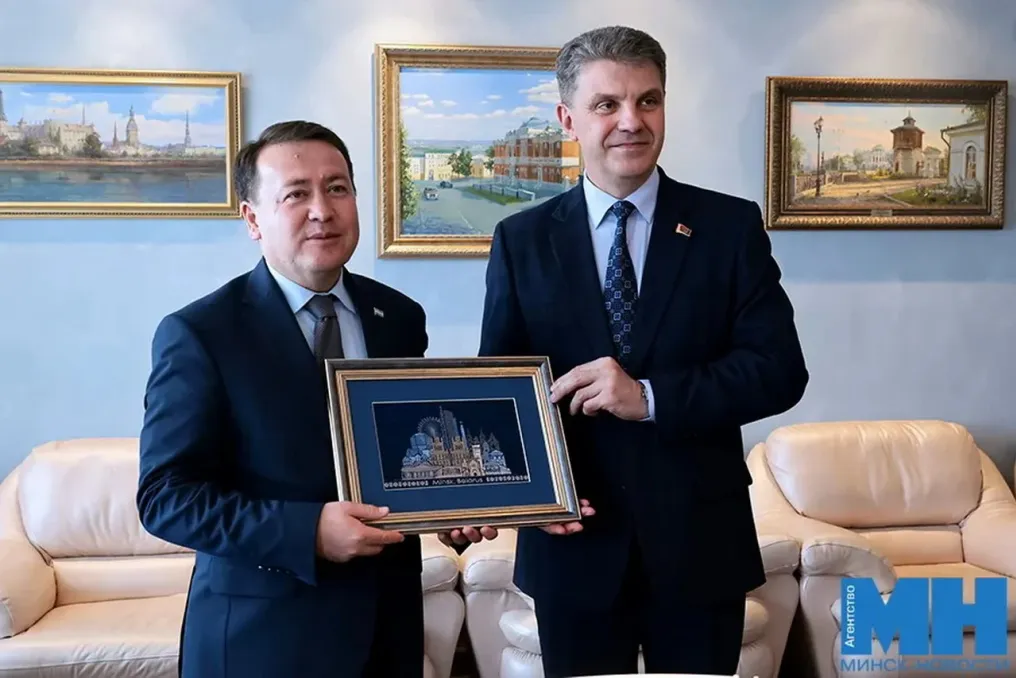
This was stated by Vladimir Kukharev, Chairman of the Minsk City Executive Committee, during a meeting with Nuriddin Mamajonov, Ambassador of the Republic of Uzbekistan to the Republic of Belarus and Permanent Representative of Uzbekistan to the CIS bodies, according to the press service of the CIS Executive Committee.

During this meeting, the parties discussed promising directions for developing trade and economic ties, as well as expanding interaction between the two states.

Focus on Industrial and Medical Cooperation

Particular attention was paid to industrial cooperation. In particular, the Belarusian side proposed developing interaction in the field of woodworking and furniture production, noting the high level of development of relevant industries in Belarus and the demand for Belarusian products in the Uzbek market.

Cooperation in the healthcare sector was also separately considered. Belarus is ready to provide support in establishing interaction between Uzbek partners and enterprises specializing in the production of medical equipment and technologies.

The parties also studied opportunities for cooperation in the field of education, noting the interest of Uzbek citizens in studying in Belarus.

Improving transport connectivity remains an important area of interaction. Kukharev emphasized the need to increase the number of flights between the countries, which would promote tourism and create additional opportunities for business contacts.

Furthermore, the parties expressed interest in expanding cooperation in IT and scientific research.

One of the significant events in the development of bilateral business relations was the opening of the Trade House of Uzbekistan in Minsk. According to Kukharev, the activities of this house are of interest to both business representatives and city residents wishing to learn about the goods of Uzbek producers.

Ambassador Mamajonov noted that Belarus and Uzbekistan have broad opportunities for interaction in various fields—from industrial cooperation to culture and tourism.

The diplomat added: "We are fulfilling the tasks set by the leaders of our countries. During the last meeting in Minsk, they clearly defined a new standard of interaction, and we have begun discussing ways to achieve it." He also reported that the parties aim to strengthen cooperation and expect to achieve the first practical results this year.

An additional platform for establishing business contacts will be the International Forum of Economic Cooperation, scheduled for September 11, 2026, in Minsk. It is expected that entrepreneurs from Uzbekistan will participate in the event to hold negotiations with their Belarusian counterparts and determine new directions for cooperation.

At the meeting, special attention was paid to the localization of Belarusian equipment in Uzbekistan. Mamajonov informed that Uzbekistan is interested in establishing Belarusian service centers on its territory, as well as organizing the assembly of municipal and passenger vehicles.

In particular, interest was noted in the products of Belkommunmash and its potential for use in the municipal sector of Tashkent and other regions of Uzbekistan. The localization of bus production as part of the modernization of public transport in major cities of Uzbekistan was also recognized as a promising direction.

The meeting confirmed the mutual interest of Belarus and Uzbekistan in deepening practical interaction, implementing joint projects, and moving to a new stage of trade and economic cooperation.
Popular