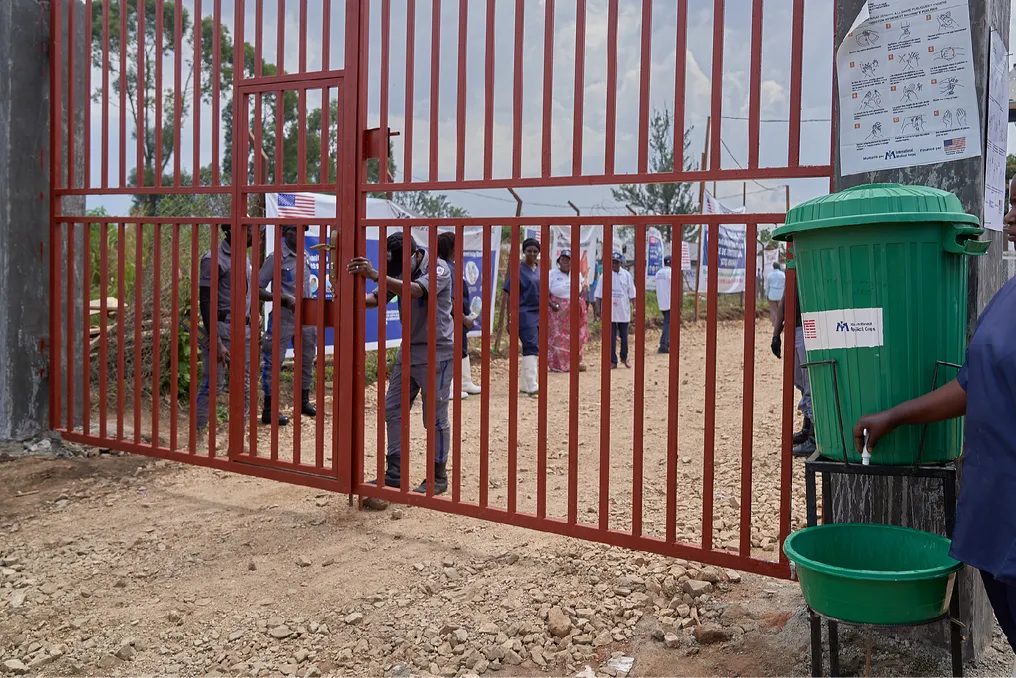
The Democratic Republic of Congo has launched a large-scale emergency operation aimed at preventing the spread of the Ebola virus along the Congo River. This river is a vital transport corridor connecting major population centers in the country.
The initiative, named 'Congo River Free of Ebola' and launched on Thursday, is designed to strengthen the monitoring and preparedness system along the river to stop the outbreak before it reaches major cities such as Mabandaka and Kinshasa. Furthermore, authorities aim to minimize the risk of the virus entering neighboring the Republic of Congo and the Central African Republic.
The Congo River is actively used by traders, passengers, and transport operators, making it a potential route for the rapid movement of Ebola. The World Health Organization (WHO) office in Africa noted that increased vigilance is critically important for early detection of infections and containing virus transmission.
Measures under this initiative include closer control at ports and along river routes, the implementation of community-level alert systems, and increasing isolation and treatment capacities in Kisangani, Mabandaka, Kwamute, and Kinshasa. Authorities are also preparing mobile laboratories capable of operating on the river and developing action plans for vessel quarantine.
The first phase of the operation will last three months. Main efforts will be focused on equipping monitoring points, training and strengthening local response teams, and raising awareness among residents living along the river.
According to Bodi Ilonga, Secretary General of the DRC Ministry of Health, rapid identification of suspected cases and breaking chains of transmission will be central to the campaign.
The operation received catalytic funding of 9 million US dollars from the United Nations (UN), which was secured through the Office for the Coordination of Humanitarian Affairs (OCHA).
The DRC declared the current Ebola outbreak on May 15. Since then, it has evolved into the largest and deadliest Ebola outbreak in the country's history, as well as the second largest globally.