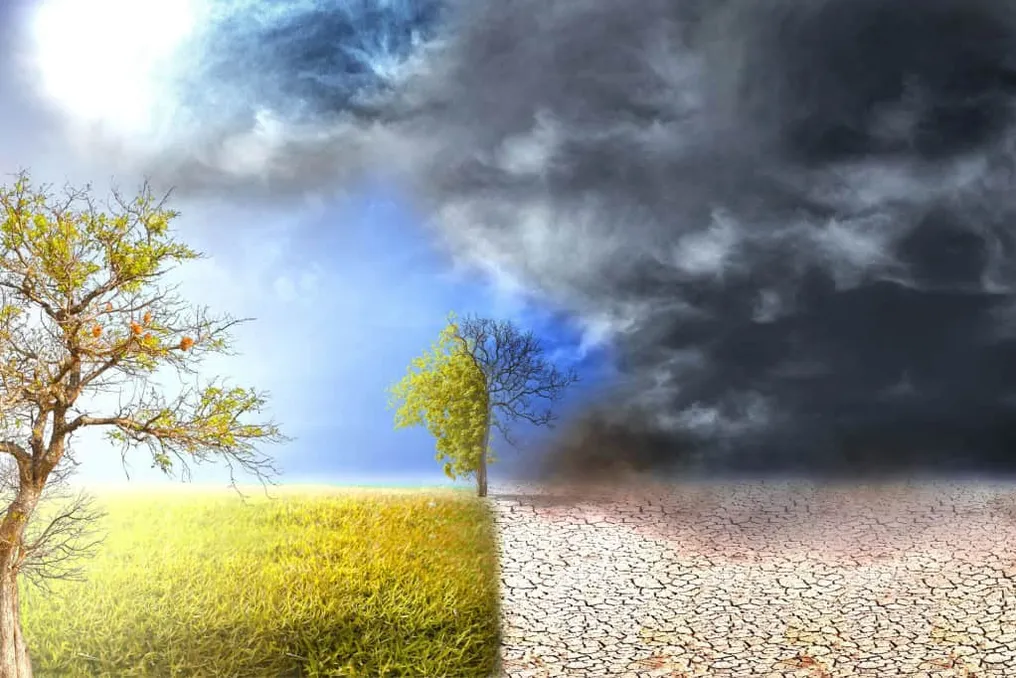
The UK's National Meteorological Agency has predicted that the current El Niño weather pattern will be the strongest in over a century and could potentially lead to 2027 being the hottest year globally.
The El Niño phenomenon occurs when rising sea surface temperatures in the tropical eastern Pacific Ocean cause changes worldwide in winds, atmospheric pressure, and precipitation levels, leading to an overall increase in global temperature.
Adam Skyfe, head of long-term forecasting at the meteorological agency, told the BBC that the strongest El Niño in over a hundred years is expected, with a peak exceeding 3 degrees Celsius, which has not been observed in modern climate records.
This means that waters in the Pacific Ocean could warm by more than 3 degrees Celsius above normal in the coming months. Although El Niño is part of a natural cycle, scientists agree that climate change is intensifying its impact. The event occurs when water temperature rises by at least 0.5 degrees Celsius above the baseline.
The Met Office noted that the record El Niño will 'add stress to climate change' following a summer of heatwaves across Europe.
According to the Climate Brink panel, based on data from the US National Oceanic and Atmospheric Administration, temperatures in the Pacific region currently exceed the 30-year average by approximately 2.6 degrees Celsius. This same panel aggregates forecasts suggesting that El Niño could reach an anomaly of 3.9 degrees Celsius in November, significantly higher than the 3-degree Celsius anomaly recorded in 2015.
British scientist Skyfe emphasized that this is an unprecedented event. The physicist specializing in climate modeling stated that if the forecast proves accurate, 2026 'will significantly surpass our recent experience of El Niño and its global impact on the climate.' He added that he has never seen such an intense El Niño signal in forecasts, noting that even a rise of 2 degrees Celsius is considered a 'very big event.'
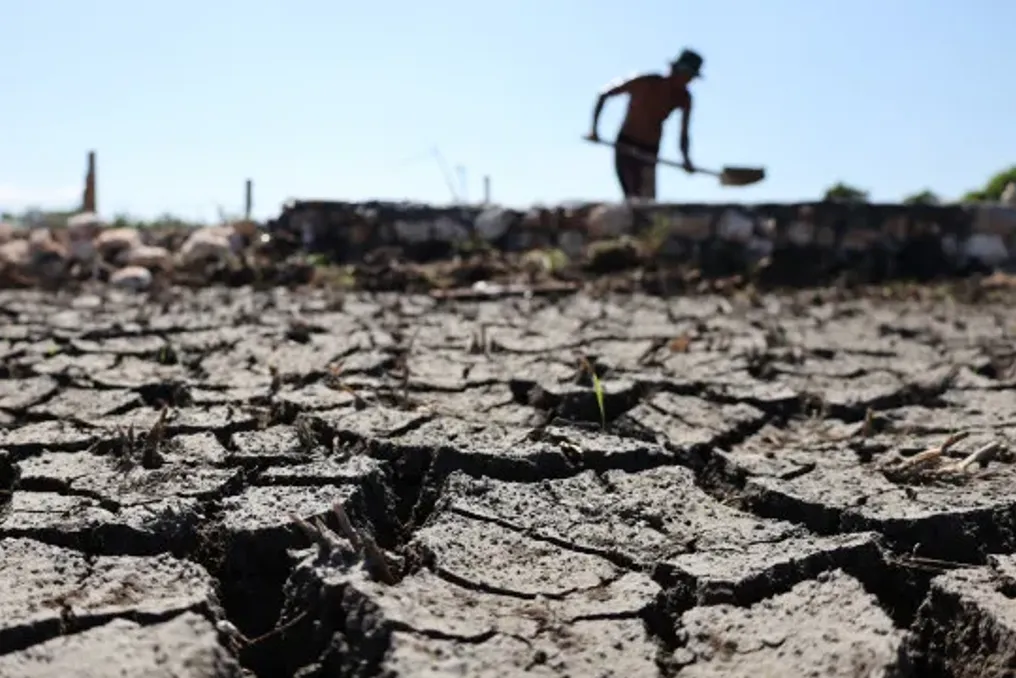
Typically, El Niño leads to drier conditions in Southeast Asia, Australia, South Africa, and Northern Brazil, as well as wetter conditions in the Horn of Africa, the southern US, Peru, and Ecuador. Skyfe noted that this year's abnormal warming will have a particularly strong impact on the Tropics, with a 'really severe drought predicted in places like South America and the Western Pacific Ocean.'
The Met Office reported that El Niño is already causing below-average rainfall in India. Furthermore, Skyfe warned that the weather phenomenon is expected to trigger 'increased rainfall and storm activity in autumn here in the UK, around November,' stressing that this refers to 'truly long-term, sustained conditions,' rather than short-term weather forecasts.