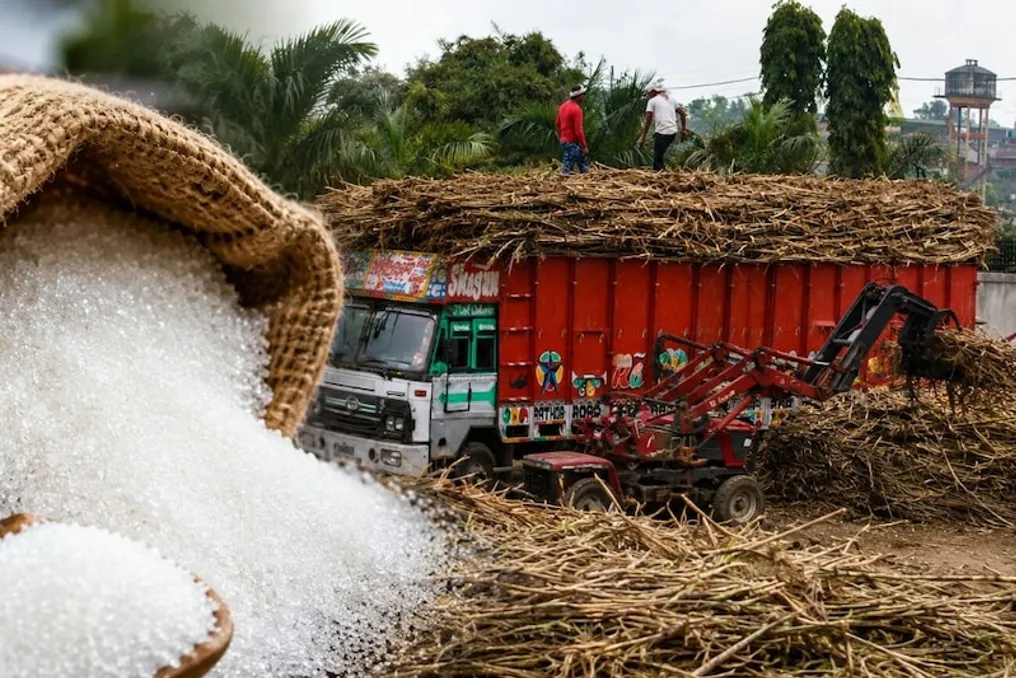
The continuous rise in sugar prices has caused concern among the population. In retail trade, the price of regular sugar has reached about 65 rupees per kilogram. Overall inflation on all essential food products has created a crisis situation for the middle and poor segments of the country's population. Against this backdrop, demands have resurfaced to resume the Levy System, which was introduced about four decades ago.
The sugar levy system was intended to ensure access to affordable sugar for low-income populations and to combat stockpiling and illegal trading in the market. Its inception was linked to the Essential Commodities Act of 1955. In 1976, Parliament passed the Levy Sugar Price Equalisation Fund Act, and in 1979, the Levy Sugar Supply and Control Order came into force.
Under this scheme, sugar mills were obliged to transfer a certain portion of their production to the government. Initially, this share ranged from 40 to 60 percent, but it was later reduced to approximately 10 percent. The government purchased this sugar at a fixed low price, after which it was distributed to poor families through grocery stores. Mills could sell the remaining sugar on the open market to compensate for losses.
However, over time, this system became a source of problems for both sugar mills and farmers. Mills argued that selling sugar at a low price led to a lack of funds, which in turn created difficulties in paying farmers for sugarcane.
In 2012, considering the state of the sugar industry, the UPA government established a committee chaired by S. Rangarajan. This committee recommended abolishing the levy system. Consequently, in April 2013, the government ceased making the mandatory provision of levy sugar by mills. After this, the sugar market was gradually withdrawn from state control.
Instead, states were given the option to purchase sugar on the market and receive subsidies from the center. This transition gave mills greater freedom to sell their sugar on the open market. Now, against the backdrop of rising sugar prices, the question arises whether the government can introduce a new form of the levy system to assist the poor. The government already provides free grains to over 80 million people under the Prime Minister's Welfare Program, and thus discussions about providing affordable sugar have also intensified.