New Chery Arrizo 7 features design inspired by Audi models
Read more
AutoPapo
autopapo.com.br

New Chery Arrizo 7 features design inspired by Audi models

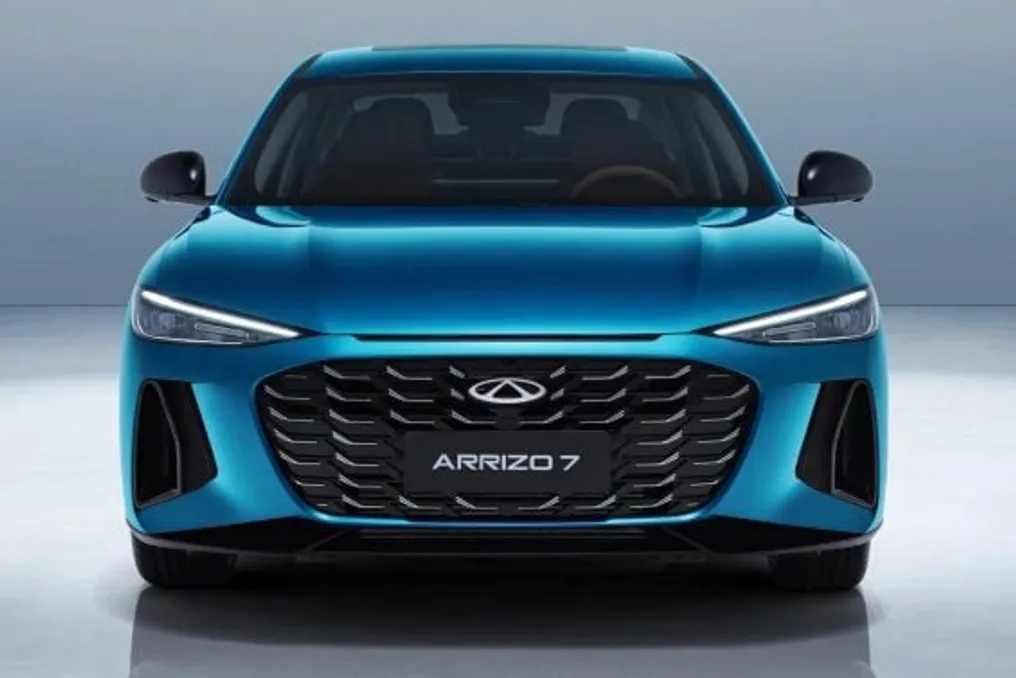
Chery has released the first official images of the new generation Arrizo 7, a fastback sedan that will be unveiled this Friday, the 21st, at the Chengdu Auto Show in China. This model returns to the line after an eight-year hiatus since the first generation was discontinued, having been sold between 2013 and 2018.

The vehicle's design clearly draws inspiration from Audi. On the front, there is a refined version of the Audi Singleframe grille, complemented by air intakes in the bumper reminiscent of the RS line models. The LED headlights have a sharp cut similar to the new Audi A6, although the internal detail of the lights resembles the Volkswagen T-Roc.

The car's profile confirms the coupe sedan format, presenting proportions suitable for front-wheel drive, a smooth roofline sloping to the rear, five-spoke wheels, and well-defined surfaces. The fastback rear is marked by horizontal taillights. Although the set approaches the electric Chery Fulwin A9, it differs by not having visible driving assistance sensors, nor the body-mounted mirrors and flush door handles of that other model.

Chery states its goal is to unite 'Eastern wisdom and global aesthetics.' In practice, this results in a Chinese sedan with aesthetic characteristics referencing Ingolstadt, while bearing the emblem of Wuhu, the automaker's base city.

The automaker has not yet released the technical specifications of the Arrizo 7, which are expected to be revealed during the show. According to Chinese media, the sedan will be equipped exclusively with gasoline engines, contrasting with the growing adoption of hybrid and electric vehicles in the local market.

This new model integrates into the brand's combustion sedan family, alongside the recently launched Arrizo 8 and Arrizo 8 Pro. The Arrizo 8 Pro is available with 1.5 and 2.0-liter turbo engines and has a price ranging from 113,900 to 145,900 yuan in China, which is equivalent to approximately R$ 88 thousand to R$ 112 thousand, considering the exchange rate on Friday.

The strategy of launching Audis-inspired sedans continues. In April, at the Beijing Auto Show, Chery exhibited the Arrizo S concept, which replicated the front end of the RS6, the profile of the A5, and the lighting signature of the A7. The production version of this concept is scheduled for this year, equipped with a 2.0-liter turbo engine producing 261 hp and 40.8 kgfm, making it the most powerful among the brand's sedans in China.
Similar stories

LG QNED73 50-inch Smart TV is on sale with 44% discount on Mercado Livre
Read more
tecnoblog.net

LG QNED73 50-inch Smart TV is on sale with 44% discount on Mercado Livre

The 50-inch LG QNED73 Smart TV has had its price reduced on Mercado Livre, available for R$ 2,278.53 with Pix payment. This offer represents a significant reduction of 44% compared to the original price of R$ 4,099, and the television was launched in March 2026.

This model stands out for its excellent cost-benefit ratio, incorporating advanced technologies such as an AI-optimized processor, 4K resolution, and vivid colors, all at a more accessible price.

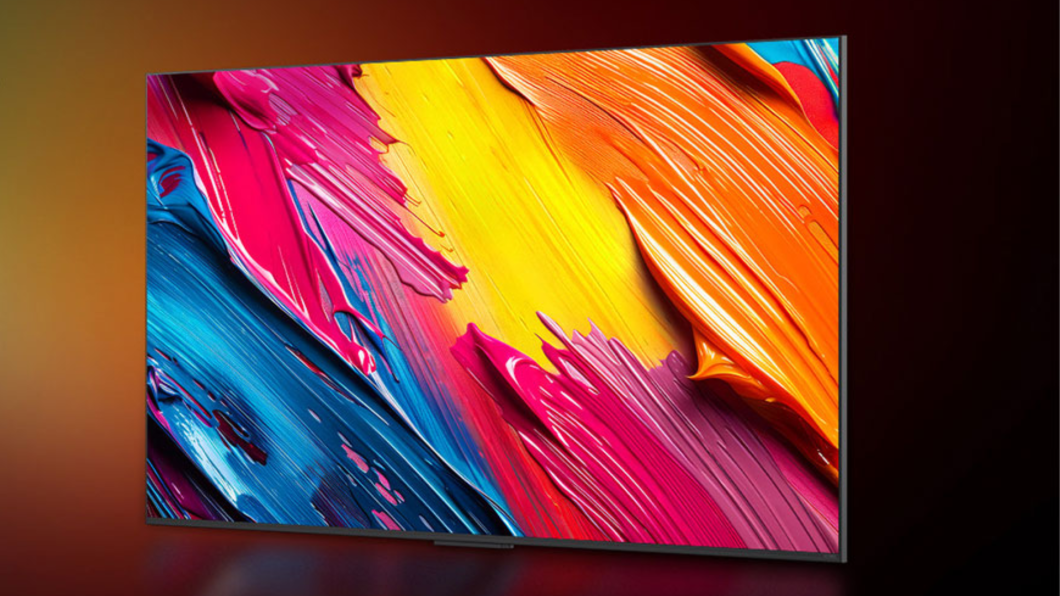
QNED technology uses a combination of NanoCell and a quantum dot layer applied to the panel, which enables the display of purer colors. According to LG itself, this technology achieves 100% color volume, resulting in more realistic images, such as the grass in soccer matches, which gains a more vibrant appearance for the viewer.

Additionally, the LG QNED73 TV features up to nine picture modes, including one specific for Sports, which adjusts brightness, contrast, and sound for sports broadcasts. The α7 AI Gen8 processor automatically optimizes every scene using HDR10 and performs upscaling on older content, ensuring sharp 4K resolution.

For the sound experience, the α7 AI Sound Pro system simulates a virtual 9.1.2 channel audio, providing clearer and more defined sound, ideal for watching movies, series, and shows immersively. Despite having only a 60 Hz refresh rate, the television includes ALLM and VRR features, which are particularly important for gamers.

The webOS 25 operating system offers an intuitive interface and smooth navigation, giving the user access to popular streaming platforms like Netflix and YouTube, in addition to free channels provided by the manufacturer through LG Channels.

Compatibility with Apple AirPlay and Google Cast facilitates mirroring content from phones or other devices directly onto the television. Interested parties can take advantage of this promotion on Mercado Livre to acquire a modern television with a 44% discount, costing R$ 2,278.53 with Pix.

Toyota relaunches plug-in hybrid RAV4 in Brazil with price of R$ 399,990
Read more
autopapo.com.br

Toyota relaunches plug-in hybrid RAV4 in Brazil with price of R$ 399,990

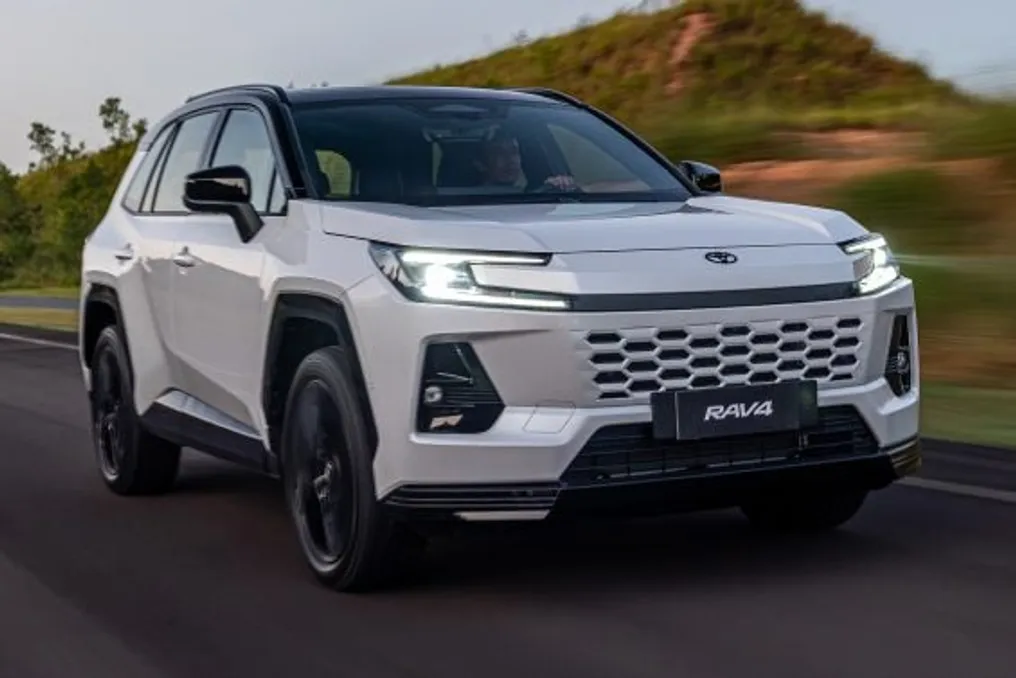
Toyota has resumed the offering of the plug-in hybrid RAV4 in the Brazilian market. The automaker confirmed this Friday (21) the arrival of the RAV4 XSE Plug-in Hybrid version, which represents the first rechargeable configuration of the new generation SUV in the country, priced at R$ 399,990.

This model had been removed from the national catalog in January after the exhaustion of stocks of the previous generation. Previously, the renewed line had arrived in April only with the traditional hybrid versions S and SX, with prices starting from R$ 317,190. With the introduction of the XSE, Toyota completes its range of offerings and provides the most powerful RAV4 ever launched in Brazil.

The mechanical assembly of this vehicle combines a 2.5 Dual VVT-i engine, which generates 189 hp and 24.2 kgfm, along with three electric motors: a front one of 206 hp and a rear one of 55 hp. The total power achieved is 329 hp, which, according to the manufacturer, allows the car to reach 100 km/h in 5.7 seconds and achieve a top speed of 180 km/h. It features all-wheel drive and offers the driver the option to select between four driving modes: Normal, ECO, EV, and Sport.

The lithium-ion battery, with a capacity of 22.7 kWh, guarantees an autonomy of up to 61 km using only electricity, according to Inmetro standards. The charging system supports up to 11 kW in alternating current via the Type 2 connector and can be charged at fast direct current electropoints following the CCS2 standard, with a power of up to 50 kW.

In the interior, the XSE version features a 12.9-inch multimedia center compatible with Apple CarPlay and Android Auto. It is complemented by a 12.3-inch digital instrument panel, a color head-up display, and a premium JBL sound system. The driving assistance package includes the pedestrian detection pre-collision system and adaptive cruise control.

Aesthetically, the plug-in configuration stands out with two-tone paint, featuring a black roof, and 20-inch alloy wheels. Furthermore, the SUV is included in the Toyota 10 program, which extends the warranty to up to ten years or 200,000 kilometers, provided that regular maintenance is performed at authorized dealerships. The vehicle will also be available for fleets through Kinto One Fleet.

The return of the plug-in model strengthens the multi-pathway approach adopted by Toyota, which advocates for the coexistence of various technologies—such as hybrids, flex hybrids, plug-ins, battery electric vehicles, and fuel cells—rather than an immediate transition to purely electric vehicles. In June, the brand had already launched the bZ4X in the country, its first battery electric model, with an approximate cost of R$ 420 thousand.

Rising sugar prices raise concerns, demand grows for the restoration of the Levy System
Read more
www.aajtak.in

Rising sugar prices raise concerns, demand grows for the restoration of the Levy System

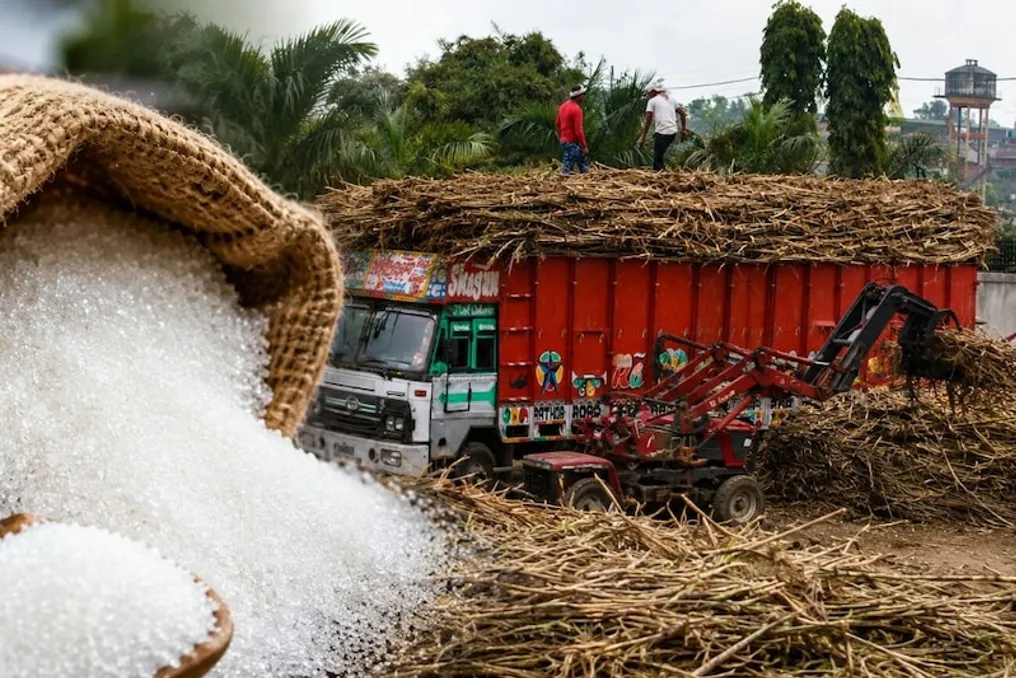
The continuous rise in sugar prices has caused concern among the population. In retail trade, the price of regular sugar has reached about 65 rupees per kilogram. Overall inflation on all essential food products has created a crisis situation for the middle and poor segments of the country's population. Against this backdrop, demands have resurfaced to resume the Levy System, which was introduced about four decades ago.

The sugar levy system was intended to ensure access to affordable sugar for low-income populations and to combat stockpiling and illegal trading in the market. Its inception was linked to the Essential Commodities Act of 1955. In 1976, Parliament passed the Levy Sugar Price Equalisation Fund Act, and in 1979, the Levy Sugar Supply and Control Order came into force.

Under this scheme, sugar mills were obliged to transfer a certain portion of their production to the government. Initially, this share ranged from 40 to 60 percent, but it was later reduced to approximately 10 percent. The government purchased this sugar at a fixed low price, after which it was distributed to poor families through grocery stores. Mills could sell the remaining sugar on the open market to compensate for losses.

However, over time, this system became a source of problems for both sugar mills and farmers. Mills argued that selling sugar at a low price led to a lack of funds, which in turn created difficulties in paying farmers for sugarcane.

In 2012, considering the state of the sugar industry, the UPA government established a committee chaired by S. Rangarajan. This committee recommended abolishing the levy system. Consequently, in April 2013, the government ceased making the mandatory provision of levy sugar by mills. After this, the sugar market was gradually withdrawn from state control.

Instead, states were given the option to purchase sugar on the market and receive subsidies from the center. This transition gave mills greater freedom to sell their sugar on the open market. Now, against the backdrop of rising sugar prices, the question arises whether the government can introduce a new form of the levy system to assist the poor. The government already provides free grains to over 80 million people under the Prime Minister's Welfare Program, and thus discussions about providing affordable sugar have also intensified.

Popular