The Indian organization ISRO is preparing for significant changes in its space program, gradually moving away from the production of launch vehicles and conventional satellites in favor of transferring these tasks to private companies and Public Sector Undertakings (PSUs).
Dr. Pawan Goyanka, Chairman of IN-SPACe, stated that this transformation will allow ISRO to concentrate on research, development of new technologies, scientific missions, and the creation of complex infrastructure that the private sector cannot build independently.
Goyanka emphasized that this process has already begun. He stated that ISRO will no longer be involved in creating launch vehicles; this function will be taken over by private companies or PSUs. The first step was the Small Satellite Launch Vehicle (SSLV), whose technology and production rights were transferred to Hindustan Aeronautics Limited following a bidding process.
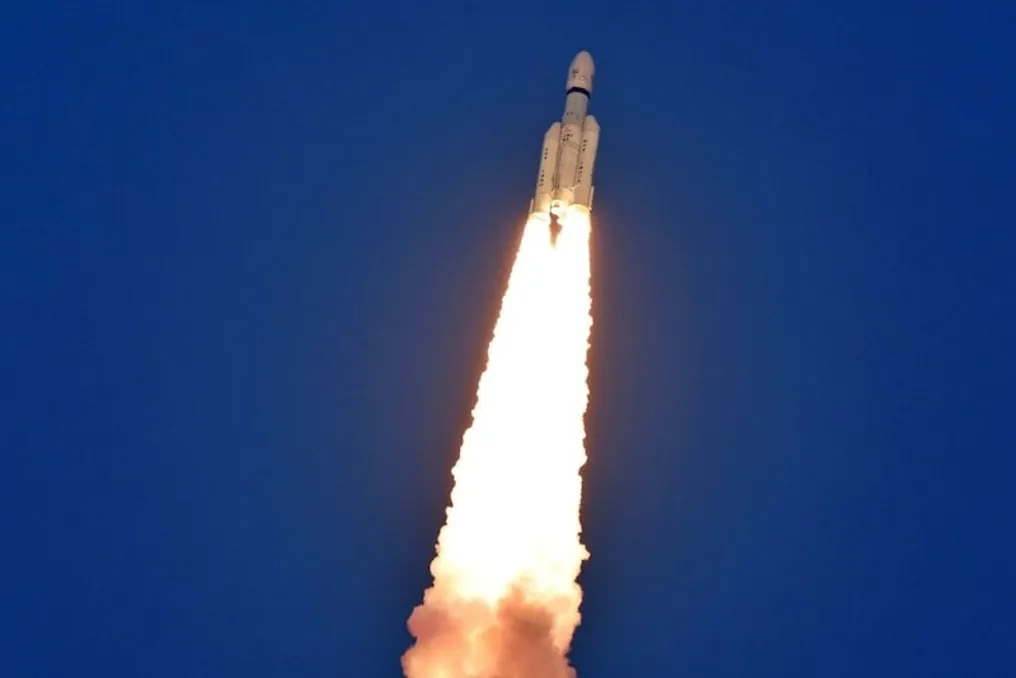
It is planned that in the next phase, responsibility for more powerful rockets, PSLV, and India's most capable operational carrier, LVM3, will also be transferred to the private sector, with PSUs not participating in this procedure.
According to Goyanka, ISRO's role is gradually transforming into that of a research and development organization. ISRO will focus on developing scientific missions, new technologies, specialized satellites, and advanced infrastructure. After development is complete, these technologies will be handed over to private companies for commercial use. Currently, ISRO has already transferred 120 technologies to the private sector.
Furthermore, the government plans to hand over the management of a new spaceport to private business, and an operator may be approved within the next four to five months. This restructuring is part of a plan to increase the Indian space economy from its current approximately $8 billion to $44 billion by 2033. The main drivers of this change will be increased utilization of space technologies and entry into the international market.