Although winter may be drawing to a close, South Africa retains its winter charms, offering optimal travel conditions in certain areas. Field flowers begin to bloom in the Northern and Western Cape, southern whales gather along the coast, and the dry bushveld facilitates wildlife viewing. Furthermore, cool mornings and even snow can still be found in the mountains.
By August, the Namakwa region begins its annual transformation. What appears as a dry, dusty landscape for most of the year suddenly becomes covered in a carpet of flowers after winter rains.
Namakwa National Park is part of the Succulent Karoo biome and is known for its exceptional plant diversity, including over a thousand species found nowhere else in the world. SANParks reported the first blooms of the 2026 season in late July, with the peak expected between mid-August and mid-September, depending on the weather.
The best way to enjoy this spectacle is to take it slow: one can take a circular flower tour, stop at viewpoints, or walk the trails of Skilpad and Korhan. Photographers are particularly successful on sunny days, as many flowers fully open up at temperatures around 18°C. The park is dedicated not only to natural beauty but also to preserving an important part of the Succulent Karoo, allowing visitors to see the dramatically changing landscape according to the season.
Why visit now
The blooming period is fleeting, and the 2026 display has already begun. To have the best chance of seeing the Namakwa region in its brightest form, it should be visited in the coming weeks.
The West Coast is another place where winter quietly gives way to spring. From August to September, the sandy plains and fynbos of the park blossom, with especially impressive views observed around Postberg and Sikberg/Muimaak. For 2026, the Postberg section opened on August 1st and remains open until September 30th, providing a limited window to explore this zone, accessible only during the flowering season.
Do not rush: spend a day driving through Postberg, taking photographs, and watching animals move among the flowers. The park also features beaches, lagoon views, birdwatching spots, and hiking trails, making it easy to turn a flower trip into a complete West Coast holiday. The park was established in 1985 and has since become an important conservation area around Langebaan Lagoon. Its seasonal bloom has become one of the region's main attractions, but the landscape is worth visiting outside the flowering period.
Why visit now
The flowers are at their peak season, and Postberg is only open to the public during this short period each year.
Few places are better than a cliff overlooking Walker Bay to watch winter give way to spring. Southern whales arrive along the South African coast roughly from June to July, with August and September falling within the peak season in Hermanus. Whales come to the protected waters of Walker Bay to mate and give birth, making this one of the best times for marine life observation in the country.
No boat is required to observe them. The 12 km cliff trail in Hermanus offers several viewpoints along the coast, and the points of Garing, Old Harbour, and several other observation posts are good spots for viewing the bay. Boat trips, kayaking, and scenic flights offer a different perspective for those who want to get closer to the action. Hermanus was originally a small settlement around a freshwater spring and was initially called Hermanuspietersfontein before the name was shortened to Hermanus in 1902. Its transformation into a popular coastal destination is closely linked to the natural beauty of Walker Bay.
Why visit now
August and September allow you to be in the middle of whale season, when the chances of seeing mothers and calves make coastal weekends unforgettable.
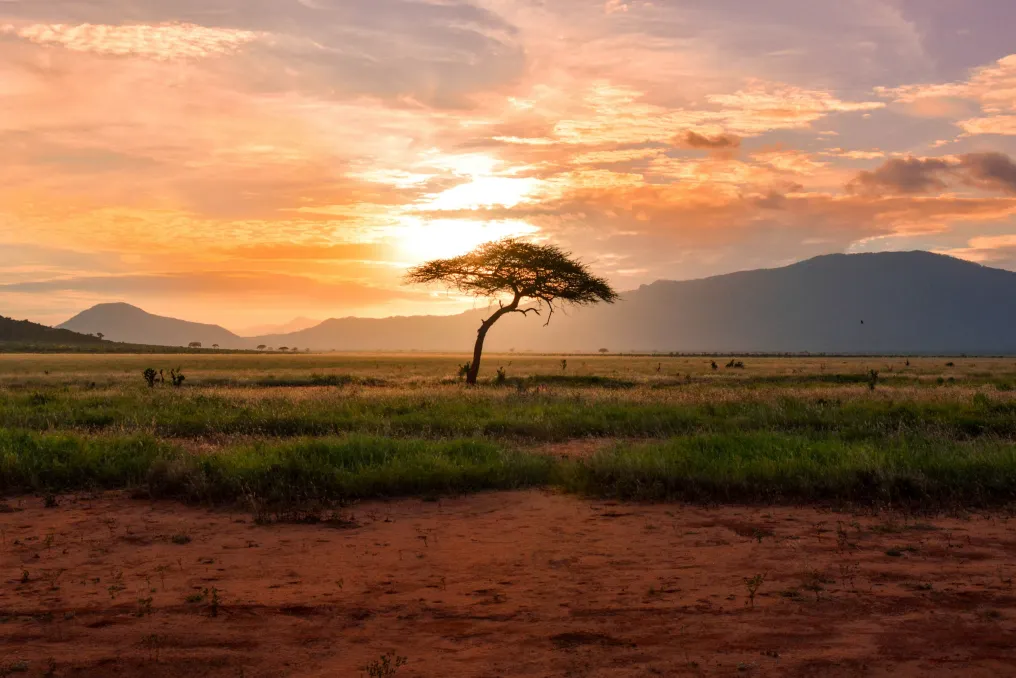
If your idea of winter involves safari rather than fields in bloom, head north. April to September is the dry season in Kruger, which brings warm days, cold nights, and sparse vegetation. Due to less water in the bush, animals concentrate around rivers and waterholes, making them easier to spot. SANParks describes winter as traditionally the best time for wildlife viewing.
This is a time for early morning drives, long daytime walks to waterholes, and evenings spent warmly by the fire. Among the wildlife that can be encountered are the Big Five, and the extensive local avifauna makes the trip enjoyable for bird lovers. Kruger has been at the center of South Africa's conservation history for over a century. The Sabie Reserve, founded in 1898, became one of the foundations of today's park. In 1926, it was merged with the Singwedzi Reserve to form Kruger National Park.
Why visit now
The bush is dry, visibility is better, and animals are more likely to congregate around reliable water sources. This is one of the best times of the year to focus on wildlife.
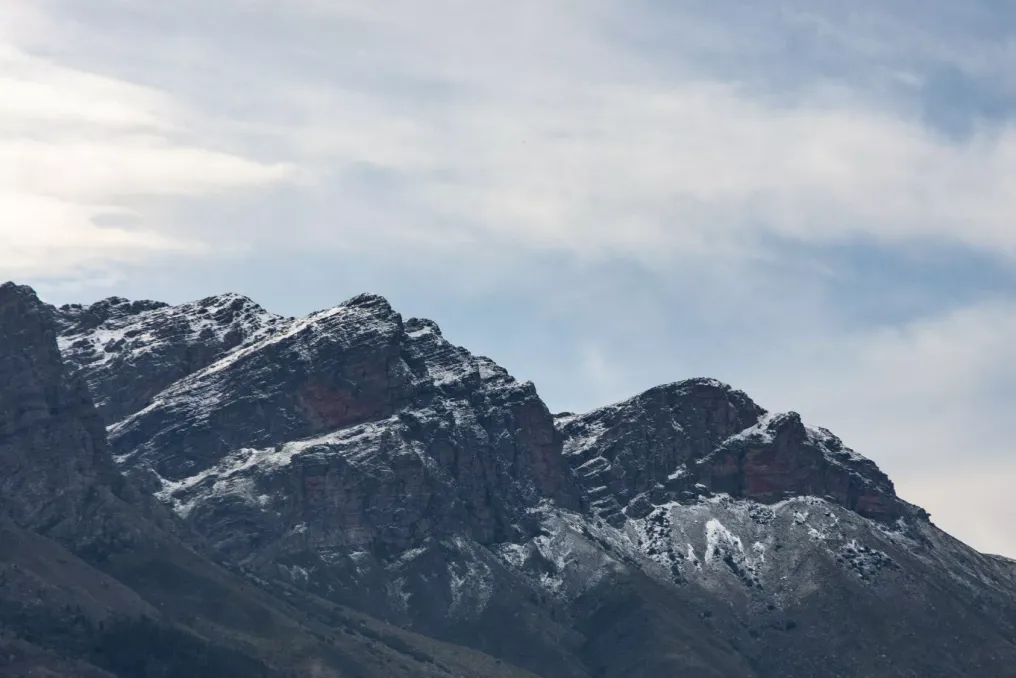
For those who are not yet ready to give up winter, Golden Gate Highlands National Park offers a last chance to enjoy it. The park is located at the foot of the Maloti Mountains, where winter temperatures can drop to -9°C and -15°C. Snow is common, although there is no guarantee that specific weekends will be snowy.
Even without snow, the landscape itself is a reason to visit. The golden sandstone cliffs shine in the changing light, and the hiking trails, viewpoints, and dramatic mountain scenery make the park ideal for a slow winter getaway. The name Golden Gate comes from the golden glow that falls on the sandstone cliffs in the late afternoon. The area was declared a national park in 1963 and has since become an important protected area for the grasslands of the Free State. One can spend a day hiking, exploring the park's viewpoints, or simply driving through the mountains. For a deeper dive into the region's heritage, the park also contains San rock art and sites related to its more recent history.
Why visit now
Temperatures are still quite wintry, the mountain landscape reaches its most dramatic beauty, and there is always a chance to wake up under snow. There is no single way to experience the end of winter in South Africa. It could mean standing among field flowers in the Namakwa, watching a whale breach from Hermanus, tracking elephant footprints in the dry Lowveld, or waking up under frost at the Golden Gate sandstone cliffs. That is the charm of traveling at this time of year. Winter may be ending, but across the country, some of the best experiences are just beginning.