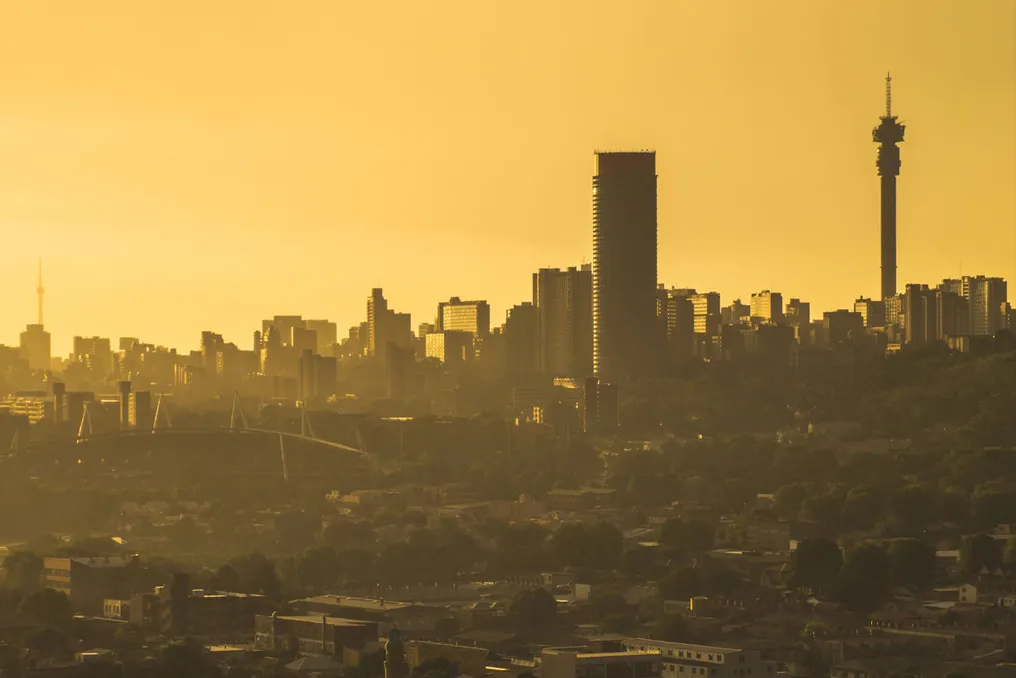
The city of George Town announced that it has fully settled its outstanding debt to Eskom amounting to 5.26 billion rand for unpaid bills. As a result of this action, the utility company withdrew the legal proceedings it initiated in May, which could have led to the cessation of power supply in some areas of the metropolis.
This was reported on Friday in a joint statement by the Department of Energy and the city. According to the statement, Eskom confirmed receipt of the final payment on Friday, thereby closing the accumulated overdue debt of 5,255,421,994.16 rand. The company stated that it withdrew the process initiated on May 17 in accordance with the Administration of Justice Facilitation Act (Paja), which Eskom is obliged to comply with before reducing or stopping energy supply.
Eskom sent a notice of intent on May 19, indicating that the city and its distributor City Power owed 5.26 billion rand in overdue debt, in addition to a current bill of 1.58 billion rand, the payment deadline for which was June 5. The company noted that it had been working with the municipality for over two years to fulfill payment obligations. Previously, TechCentral reported that planned outages were set to begin on July 8.
The dispute has a longer history. According to The Citizen, the city began defaulting on payments in October 2023, citing that Eskom had overbilled it by more than 3.4 billion rand—these are the 'long-standing billing disputes' referenced in the joint statement.
What the settled amount covers
Minister of Energy Kgosiyenso Ramokogapa, who mediated on May 26, stated that the achieved result demonstrates the effectiveness of the intergovernmental relations model. Mayor of George Town Dada Morero called this an important milestone on the city's path to financial sustainability, adding that the city will maintain current payments, reduce losses from theft and vandalism, and invest in infrastructure.
The amount cited as settled represents the total amount of overdue payments as of May 17. According to Eskom's latest public report from July 24, the unpaid balance was 3.8 billion rand—of which 1.22 billion rand was for the current bill and 2.58 billion rand remains unpaid under the settlement agreement approved by the High Court ruling of November 7, 2025. Furthermore, another current bill of 2.64 billion rand was due on August 3. The joint statement does not specify whether the court-ordered funds or the August bill are included in this settlement.
Eskom insisted that it would not sign a new payment agreement while the November court ruling remained in effect, and in July stated that nothing in the consultation process cancels its rights under existing agreements, court decisions, or legislation. Its consultation regarding Paja was extended until August 22—one day after the announced settlement.
The city's broader financial position has not changed as a result of this payment. EWN reported in May that Finance Minister Enoch Godongwana sent a letter to Morero, indicating that the city's total debt to creditors amounts to 25.2 billion rand against cash and equivalents of 3.9 billion rand. The same analysis showed that City Power purchases more units of electricity from Eskom annually than it sells to customers since the 2019 financial year, losing at least 42% of the purchased volume. Morero estimates City Power's losses at approximately 29%, attributed to illegal connections, meter tampering, and outdated infrastructure. Ramokogapa stated in May that the municipal debt to Eskom exceeds 130 billion rand nationwide. CEO of Business Leadership South Africa, Busi Mavuso, argued in June that the city's debt obligations are not being resolved sustainably, and the main problem is that the city cannot collect revenue projected in its own budgets.