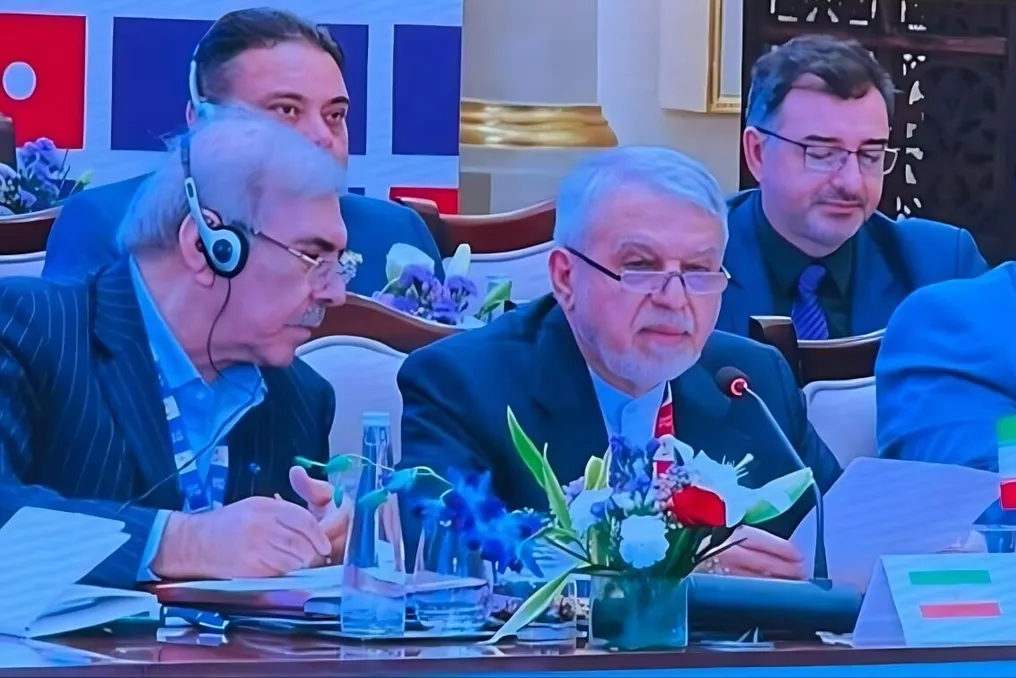
The Iranian Minister of Cultural Heritage, Tourism, and Handicrafts called for a rethinking of the concept of sustainability in the field of tourism. He stated that this sector should contribute to the unification of nations, the revival of hope, the support of local communities, and the promotion of long-term peace.
Speaking at the BRICS Ministers of Tourism Meeting in India in 2026, Reza Salehi-Amiri thanked the Indian government for hosting the event, as well as BRICS for placing concepts such as sustainability, innovation, cooperation, and ecological friendliness, as well as a 'people-oriented approach for the common future of humanity,' at the center of discussions.
He emphasized the need to strengthen international interaction to shape a humanistic future for tourism. Salehi-Amiri noted that in light of current global crises and conflicts, the concept of sustainability has acquired a deeper meaning.
The Iranian minister stated that in the current conditions, the world needs more resilient communities than economic systems, and he stressed that tourism should act as a bridge between states.
Furthermore, the minister condemned military aggression by the US and Israel against Iran. He reported that these attacks caused immense suffering and resulted in the death of over 4000 people, including 168 children at a school in Minabe, as well as civilians and several renowned scientists, intellectuals, and cultural figures.
It was also noted that the attacks damaged 149 historical and cultural sites, five of which are on the UNESCO World Heritage List, raising serious concerns about the protection of Iran's cultural heritage.
Salehi-Amiri clarified that true sustainability should not be limited merely to the ability of a tourist destination to withstand or overcome a crisis. According to him, true sustainability means the ability of people, communities, and cultures to maintain their identity, restore livelihoods and life, and regain strength and dignity.
Presenting Iran's proposals for strengthening tourism cooperation within BRICS, Salehi-Amiri suggested establishing a BRICS tourism project support fund. He believed that such a fund could play a significant role in developing tourism infrastructure in member countries, and proposed defining its operational mechanisms within the New Development Bank, the multilateral development bank of BRICS.
Such a mechanism, he added, could provide financing and facilitate the implementation of joint tourism initiatives among BRICS member countries.
Salehi-Amiri also called for the more active use of the historical potential of the ancient Silk Road and Spice Route to boost exchanges between the peoples of BRICS countries. He noted that BRICS can rely on the rich heritage of these historical trade and civilizational routes, which in the past served as cultural and commercial links between some members of the bloc.
In the minister's opinion, these historical routes are not only part of the common civilizational heritage of the peoples but can also become new platforms for developing tourism, cultural exchange, deepening mutual understanding, and strengthening regional and international cooperation.