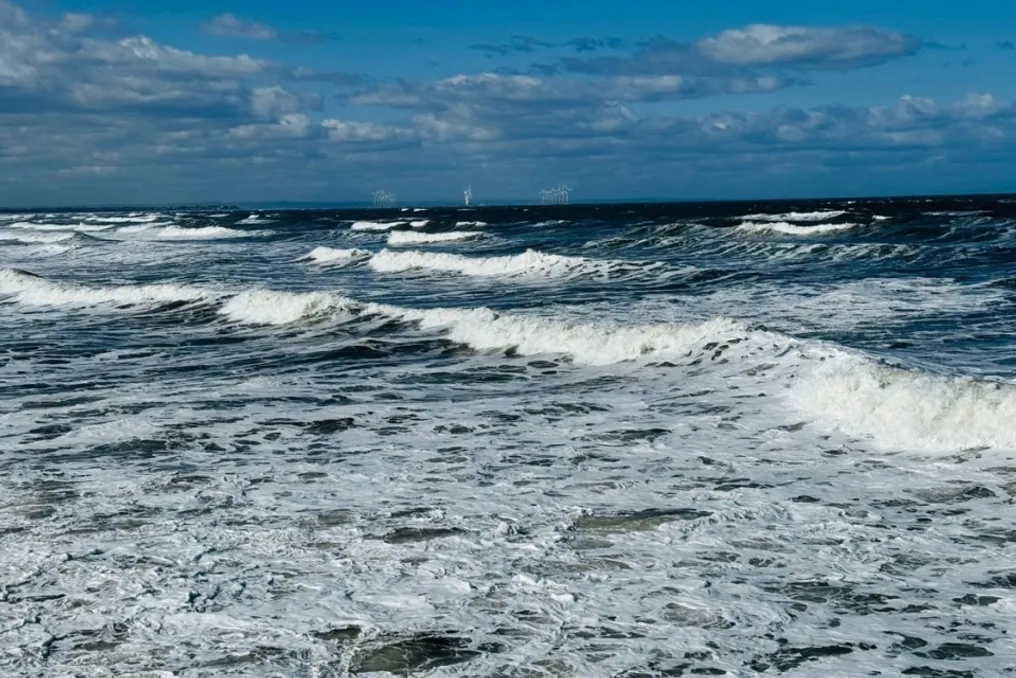
North Sea temperature off the Dutch coast reaches record 21.5 degrees
Read more
Podrobno.uz [uz]
podrobno.uz

North Sea temperature off the Dutch coast reaches record 21.5 degrees

The water temperature in the North Sea, located off the coast of the Netherlands, has risen to 21.5 degrees Celsius. This figure is the highest since observations began in 1984. The new record was registered last weekend, according to a statement from the Royal Netherlands Meteorological Institute (KNMI).

Measurements were taken near the island of Goeree-Overflakkee. Previously, the maximum temperature was recorded on August 8, 2018, at 21.4 degrees. KNMI explains that the setting of a new record is due to global warming and the presence of stable high-pressure systems, which have contributed to sunny weather and light winds in recent months.

Institute representatives stated that global warming is leading to the appearance of new temperature records both on land and in the sea, which entails unpredictable consequences for marine fauna.

It was previously noted that the current marine heatwave in the North Sea has been ongoing since May 24. This year, the water exceeded 20 degrees for 35 days, and such a prolonged temperature increase poses a danger to cold-loving species of fish, algae, marine plants, and mussel populations.

KNMI strongly calls for an accelerated reduction in greenhouse gas emissions, including those resulting from the burning of fossil fuels and large-scale livestock farming, as well as for more intensive removal of carbon dioxide from the atmosphere.

Furthermore, in July, global seas outside the polar zones reached a record temperature for that month. Heat and drought in Europe have led to river low water levels. In the UK, July was declared the driest in the last 190 years of observation, and many areas of the country were classified as drought zones.

Similar stories

Oceans reach record temperatures while UK rivers suffer from drought
Read more
podrobno.uz

Oceans reach record temperatures while UK rivers suffer from drought

Global seas demonstrated record temperatures for July, and the combination of heat and drought has led to a drop in water levels and deterioration of water bodies in Europe. Specialists attribute these phenomena to the intensification of climate extremes.

According to a BBC report, the average sea surface temperature outside the polar zones was approximately +21°C, exceeding the previous record set in 2023. The highest readings were recorded off the Atlantic coast of Europe and in the western part of the Mediterranean Sea. Thus, July became the second warmest month globally in observation history.

Western Europe experienced its hottest June and July on record: the average temperature over these two months was 2.79 degrees above the established norm. This heat and drought triggered large-scale forest fires, resulting in the burning of about 500 thousand hectares in the EU since the beginning of the year.

According to The Guardian, the drought has already impacted energy infrastructure operations. In Poland, two coal-fired power plants were forced to shut down due to insufficient water for cooling, and the only nuclear power plant in Hungary stopped operating. The preliminary estimate of economic damage from the summer heat for grain producers in Europe is two billion euros.

In the UK, July was declared the driest for England and Wales in the last 190 years of observations. Large areas of England and the entire territory of Wales were declared drought zones, and water levels in the Seine, Rhine, and Danube rivers dropped significantly below normal.

Water resource problems in Britain are not solely due to drought. As reported by New Civil Engineer, a new classification by the Environment Agency of England shows that only 14.3% of more than 4,600 surface water bodies meet the criteria for good ecological status. The remaining 65.4% received a 'satisfactory' rating, 17% a 'poor' rating, and 3.1% a 'very poor' rating. Furthermore, all surface waters in the country do not meet chemical composition requirements.

The new assessment demonstrates a decrease in the proportion of water bodies in good ecological status compared to 2019, when this figure was 16.3%. However, the Environment Agency emphasizes that a direct comparison is impossible due to the use of more extensive monitoring data and updated analysis methods for the current assessment.

Simultaneously, improvements are observed in some individual parameters. In 82% of cases, individual ecological indicators of water bodies were rated as 'good' or 'high'. For example, phosphate levels in the River Roch improved from poor to good after the implementation of a special permit for wastewater treatment facilities located upstream.

Scientists warn that ocean warming contributes to an increase in marine heatwaves, sea-level rise, and potential intensification of tropical storms and precipitation. On land, heat and drought mutually reinforce negative effects, and the formation of El Niño in the Pacific Ocean could further raise global temperatures in the coming months.

Additionally, it should be noted that the past July was one of the hottest in Uzbekistan. The average temperature there exceeded the climatic norm by 1.3–2.8 degrees, and in desert regions, air temperatures approached 50 degrees. In Kyzylkum, up to 19–23 days with temperatures above 40 degrees were recorded.

Popular