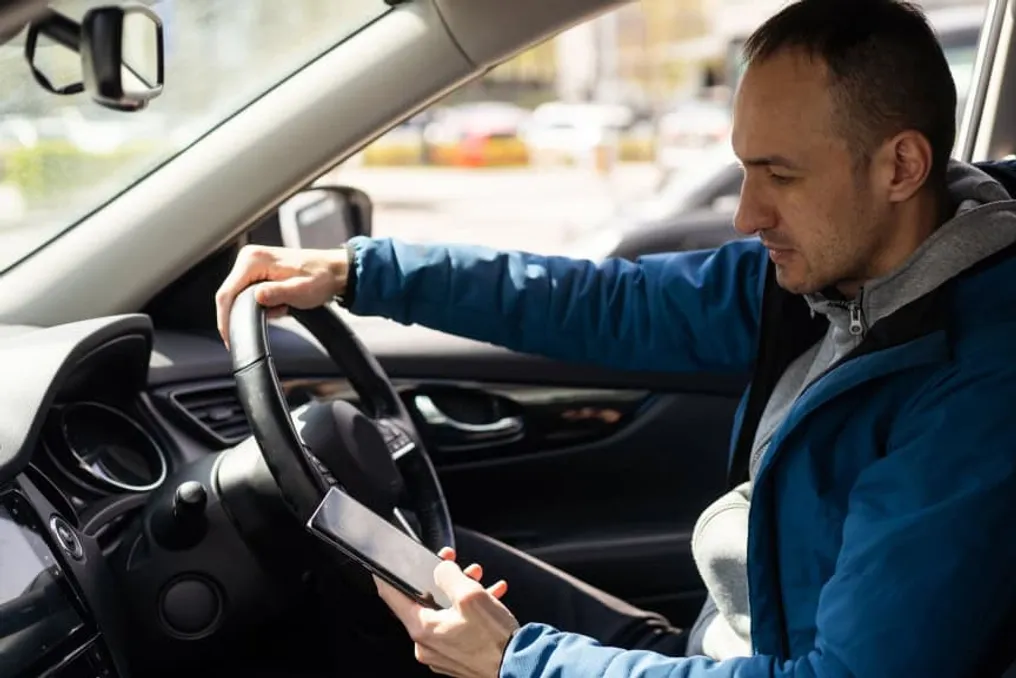
Uber is conducting tests in Europe with a system that imposes a fee on partner drivers whenever a trip is proposed through the mobile application. This pilot project is being implemented in the cities of Basel, Switzerland, and Malmö, Sweden. The company's main goal is to decrease the frequency with which drivers reject consecutive calls, which in turn increases user waiting times.
In Basel, the app charges 0.30 Swiss francs (approximately R$ 2) for each request sent to the driver's screen. To mitigate this cost, Uber adjusted the commission applied to completed trips, reducing it by two percentage points. This change aims to benefit drivers who accept most calls, allowing them to end the week with higher earnings.
The experiment in Basel began at the end of June 2026, involving selected drivers. The charge of 0.30 Swiss francs (about R$ 2) occurs every time the app sends an exclusive call. It is important to note that this fee does not apply to radar offers or trips accepted while the driver is already transporting a passenger.
To balance expenses, Uber decreased its fees on completed rides: the discount went from 25% to 23% in the UberX and UberXL categories, and from 28% to 26% in the Comfort and Uber Black modes. This arrangement favors those who accept most requests, as the commission reduction allows the driver who takes many rides to save the amount retained by the company, compensating for the fee cost and increasing their weekly profit.
Conversely, drivers who reject many calls accumulate the cost of each offer received without being able to complete enough rides to offset the loss.
In the city of Malmö, the company is evaluating a different model since July 2026. In this case, the driver pays 2 Swedish kronor (a little over R$ 1) for each call received, but Uber retains none of this amount. The total amount collected during the week is summed up and distributed entirely among all drivers, proportionally to the number of rides each one completed during the period.
In practice, the Swedish system operates as a reward fund financed by the drivers themselves. Each completed trip grants the driver the right to receive a portion of this accumulated amount. With this rule, the professional who accepts almost all requests recovers more money than they spent on fees, while the driver who frequently rejects calls ends up losing money, subsidizing the earnings of those who worked more.
Uber's purpose with both tests is to combat the delay caused when drivers reject rides, forcing the system to search for vehicles located further away. To avoid unnecessary payment of the fee, the company advises the driver to remain offline in the app when they do not wish to serve passengers. Details of the charged and reimbursed amounts are sent weekly in the platform's financial reports.
Olhar Digital's Position
The outlet Olhar Digital requested an official position from Uber on the matter.