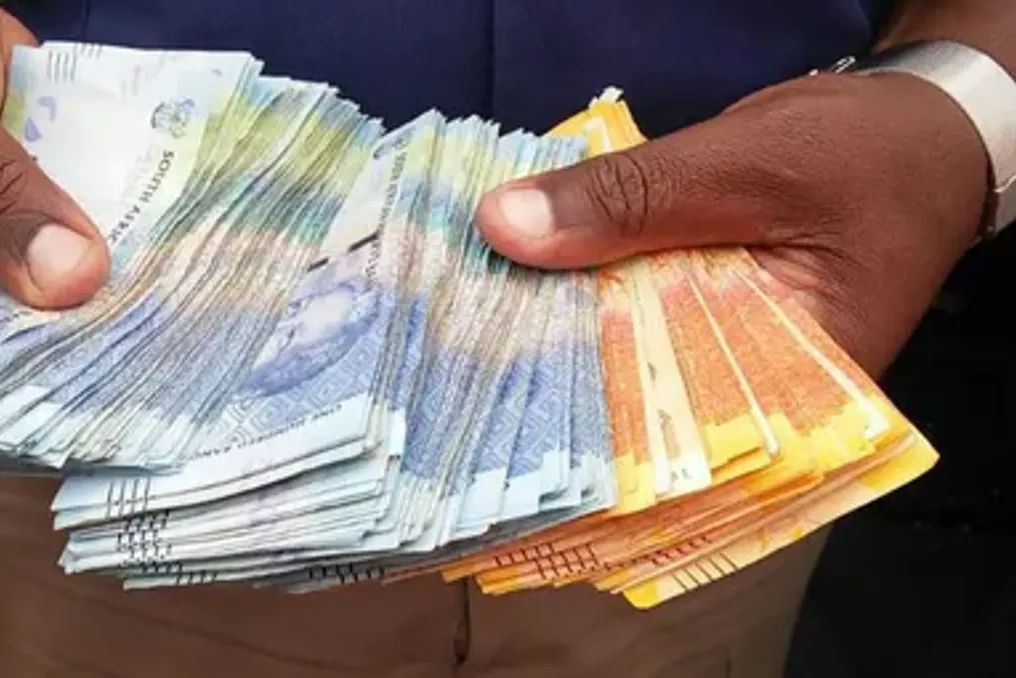
There is a growing trend among South Africans to prefer keeping savings in cash rather than depositing them in banks or using formal investment instruments. According to the latest Old Mutual Savings & Investment Monitor, the proportion of working South Africans with unsecured cash savings has significantly increased: from 53% in 2025 to 64% in 2026.
This growth is most noticeable among younger and higher-income consumers. Specifically, 80% of individuals aged 18 to 29 reported having such unsecured cash savings. The report notes that 'unsecured cash savings continue to grow, notably over the last year from 53% to 64% in 2026. Both the frequency and the annual increase in unsecured cash are particularly high among 18–29 year olds (80%) and high-income earners (over R30,000).'
Furthermore, the study found that 78% of people earning between R60,000 and R119,999 per month save part of their earnings in cash. The reasons for this choice are varied: some consumers consider cash at home safer, while others aim to avoid bank and ATM fees.
According to the report data, 56% of consumers cited convenience as one reason for keeping cash, while 39% mentioned a greater sense of security having money at home. Another 34% pointed to bank and ATM fees. Although 81% of working consumers have a specific savings goal, many households still struggle to save; almost half, namely 47%, admitted to having to spend their savings to cover current expenses.
Stokvels remain an important part of savings
Stokvels also continue to play a significant role in South African saving methods, with the use of this practice among the black consumer market increasing from 53% to 56% in 2026. This growth is driven by an increase in the number of Black South Africans earning R30,000 or more, whose participation in stokvels rose from 50% to 62%.
The report emphasizes that 'the use of stokvels among the main (black) market continues to grow from 53% to 56% (an increase of +8% since 2023). The growth is stimulated by Black South Africans earning over R30,000 (from 50% to 62%). The number of existing stokvels has decreased, however, average monthly contributions remained unchanged.'
In a well-known example of unsecured cash usage, President Cyril Ramaphosa faced criticism for the theft of over $500,000 (more than R9 million) that was hidden in a sofa on his Phala Pala farm in Limpopo.