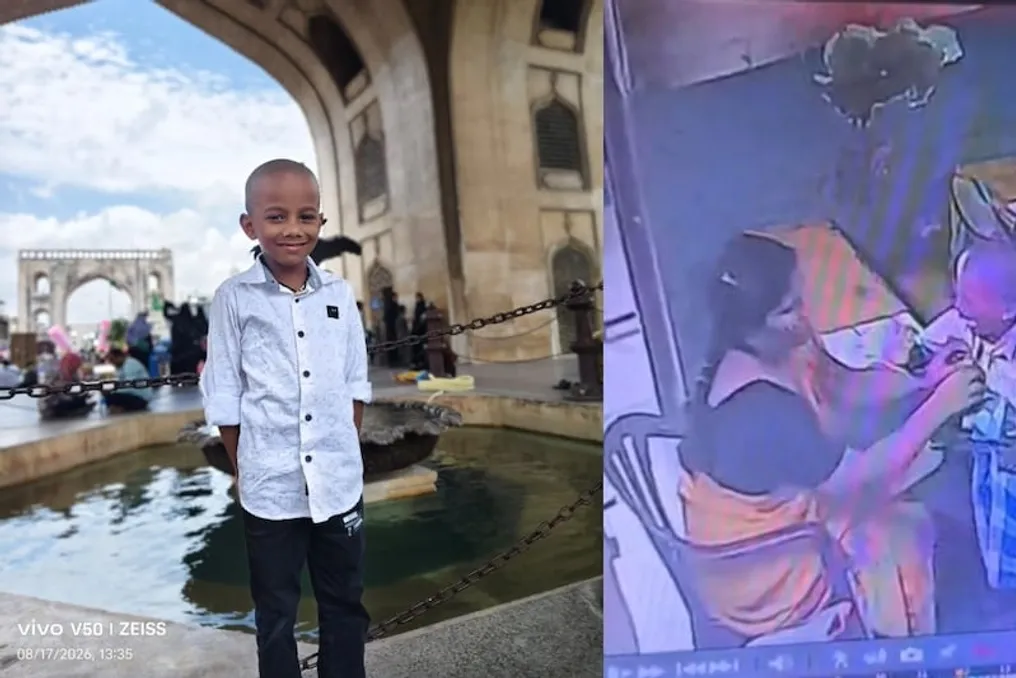
In Vishakhapatnam, a six-year-old child attending the LKG group allegedly became unwell after being scolded and hit by a teacher. This incident was captured on surveillance camera footage. Preliminary investigations suggest that a heart attack could be the cause of death. However, a final diagnosis has not been established as autopsy results are pending. This case raises questions about the possibility of a heart attack occurring at such a young age.
The question arises as to what exactly happened, causing the child to lose consciousness after the teacher's reprimand and subsequently pass away. In children aged six, sudden fainting after a shout or blow can have numerous causes. Some children are born with heart conditions whose symptoms may remain unnoticed. But when the body reacts sharply to stress, adrenaline levels rise, leading to an increased heart rate and changes in blood pressure, which negatively affects heart function.
Professor Dr. Tarun Kumar from the Cardiology Department of Medanta Medicity Mulchand Hospital commented on the situation. He noted that cases of heart attacks at such a young age are extremely rare. In his opinion, medically labeling the death as a heart attack is incorrect, as problems with coronary artery blockage in a six-year-old are unlikely. Instead, possible factors could include congenital heart disease, cardiomyopathy, or cardiac arrhythmias.
Dr. Tarun explained that in such cases, cardiac arrest is a more likely cause of death than a heart attack. Severe stress can trigger a large release of adrenaline, which provokes cardiac arrest. This hormone accelerates the heartbeat and raises blood pressure; in people with a weakened heart, such a sudden acceleration can lead to dangerous electrical rhythm disturbances, causing cardiac arrest and, consequently, death.
Dr. Tarun also suggested that the child's sudden loss of consciousness could have been caused by a seizure or another neurological condition. Therefore, it cannot be definitively stated yet that heart failure was the cause. Although the situation resembles cardiac arrest more, the definitive cause of death will only be determined after receiving autopsy results, medical examinations, and testing for heart diseases, not solely based on surveillance video footage.
Professor Dr. Ajit Kumar from the Cardiology Department of Rajiv Gandhi Hospital reported that some children suffer from hereditary heart diseases, such as Long QT syndrome and Brugada syndrome. Under severe psychological stress, these children often experience a rapid increase in heart rate, which places excessive strain on the heart and can lead to death. Nevertheless, the true cause of death in this situation will only become clear after an autopsy is performed.
A heart attack is a circulatory problem in the heart caused by an artery blockage, which disrupts blood supply to the heart. In contrast, cardiac arrest is an electrical problem of the heart, where it suddenly stops beating, and blood stops flowing to the body. Cardiac arrest is considered more dangerous than a heart attack and most often leads to death due to lack of timely treatment.