African cities are traditionally associated with bustling streets, historic districts, markets, and growing skyscrapers. However, there is another side to the continent hidden behind concrete structures. These cities offer the opportunity to experience nature without moving far from the urban environment, thanks to restored wetlands in the center, bird-rich forests, botanical gardens, mountain trails, and even wildlife reserves framed by high-rise buildings.
If you are planning a city break but wish to spend time outdoors, seven African cities can offer a unique way to explore.
Nairobi: A Blend of Park and Metropolis
Few cities can boast what Nairobi does. The capital of Kenya is home to a true national park where lions, giraffes, zebras, buffaloes, and other wildlife can be seen amidst the urban landscape. Nairobi National Park is located just 10 km from the central business district, making it one of the easiest places in Africa to combine city leisure with a traditional safari.
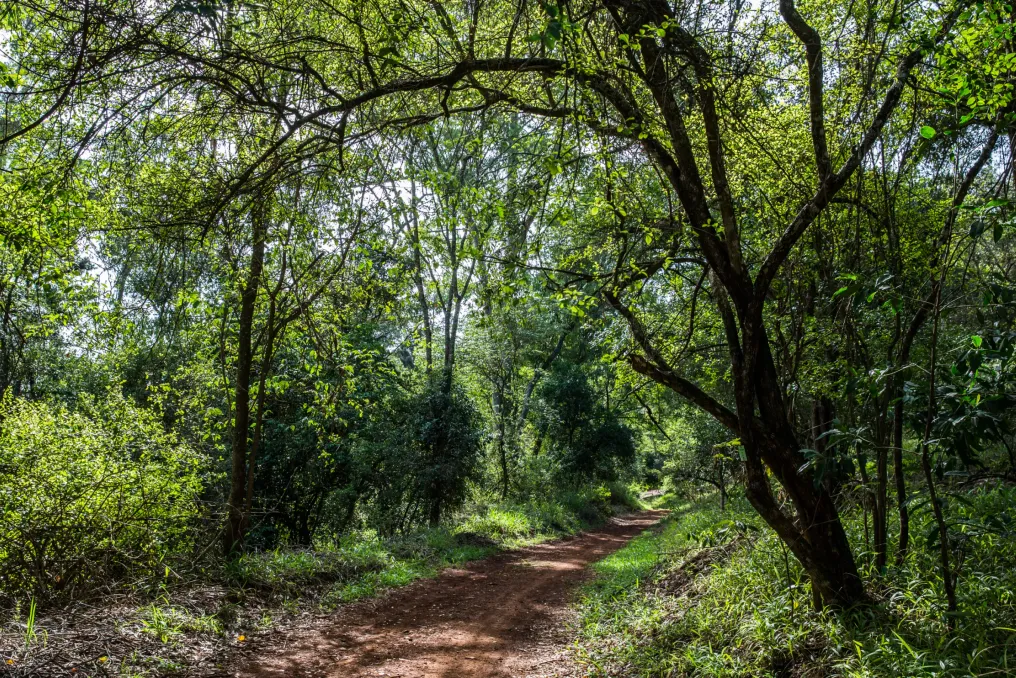
The open plains and river habitats of the park provide opportunities for safaris and bird watching, while the skyline creates Nairobi's unique atmosphere. Furthermore, the city has another impressive natural area—Karura Forest. This urban forest covers 1041 hectares and is home to hundreds of wild animals and about 200 species of birds. Visitors can walk or cycle under the forest canopy, visit waterfalls and caves, and observe monkeys, antelopes, and other forest inhabitants.
A day could be organized by starting with an early safari in Nairobi National Park, followed by spending the afternoon exploring Karura Forest.
Kigali: An Example of Ecological Restoration
Kigali's relationship with nature is particularly interesting because one of its main attractions is an example of environmental restoration. The Nyandunju Eco-Park transformed a degraded wetland into a 121-hectare recreational and ecological zone. The restored landscape includes wetland vegetation, local forest, ponds, gardens, as well as walking and cycling paths.
The park is also a birdwatching spot, with over 100 species of birds recorded here. Guests can hike, cycle, have picnics, or simply spend time exploring the various habitats. The importance of this place goes beyond tourism: the wetland was partially restored to improve biodiversity, reduce pollution, and aid in flood management. The project included planting 17,000 trees representing 55 local species, as well as rehabilitating streams and ponds.
For travelers, this means that Nyandunju is more than just a green space; it is a demonstration of how an African capital can restore natural ecosystems while creating a pleasant place for residents and visitors. A day could be planned by bringing hiking boots and binoculars, then combining a morning in Nyandunju with visits to Kigali's cafes, galleries, and restaurants.
Johannesburg: South Africa's Green Metropolis
Despite being one of Africa's largest urban centers, Johannesburg is also characterized by striking greenery. The city boasts thousands of parks and an estimated 10 million trees, earning it the reputation of a 'city forest.' One of the most prominent natural sites is Walter Sisulu National Botanical Garden, located in the northwest of the city. This garden combines cultivated botanical exhibits with natural landscapes, including meadows, shrubbery, and forest. It hosts about 240 species of birds, and Verre eagles nest near the waterfall. Over 600 species of naturally occurring plants have also been recorded on the grounds. The waterfall and surrounding rocks give the garden a distinctly wild atmosphere, despite its location in one of South Africa's busiest metropolises. For tourists, this is an easy way to slow down after visiting Joburg's museums, restaurants, and districts.
One could combine a morning at Walter Sisulu with a relaxed lunch before exploring other cultural attractions in Johannesburg.
Cape Town: Beyond Table Mountain
Cape Town is famous for Table Mountain and its surrounding national park, but its urban nature extends far beyond the most recognizable landmark. A prime example is the Great Sandvlei Estuary Nature Reserve. The reserve encompasses wetlands, the Sandvlei water body, islands, the Khaizer River rehabilitation zone, and Westlake wetlands. It protects remnants of the natural habitats that once covered much of the Cape Flats. The aquatic environment also supports impressive bird diversity: Sandvlei has recorded about 150 bird species, including osprey, pelicans, kingfishers, herons, and several migratory species. This offers a completely different view of Cape Town: instead of looking down on the city from the mountain, one can watch birds over the wetland while the surrounding suburbs continue their daily lives. Other green areas and reserves scattered throughout the city allow for an itinerary built around Cape Town's urban biodiversity. One can visit Sandvlei for birdwatching and walks, and then head to the False Bay coast in the afternoon to be by the ocean.
Durban: Nature on the Atlantic Fringe
Durban is one of Africa's most picturesque capitals, nestled between the Atlantic Ocean and the forested hills of the Durban Peninsula. The West Coast National Park provides a stunning natural backdrop for the city. In the Taqugama Chimpanzee area, visitors can join forest tours in a highly biodiverse landscape where they can see birds, butterflies, monkeys, and duikers. Lucky visitors might even encounter wild chimpanzees. The Taqugama Reserve itself is located on the outskirts of Durban and combines wildlife conservation with ecotourism. The reserve cares for rescued Western chimpanzees and offers guided tours, forest walks, bird watching, and accommodation in forest eco-lodges. Surrounding trails pass through the forest, past waterfalls, dams, and viewpoints, making this a destination where the journey into nature begins surprisingly close to the capital.
One could take a trip to the mountains for a forest tour, and then return to Durban to watch the sunset over the Atlantic.
Addis Ababa: High-Altitude Oasis
Addis Ababa is situated at a high altitude, and its mountainous landscape provides the Ethiopian capital with a natural haven almost at its doorstep. Entoto Park stretches across the forested Entoto hills above the city. The park offers routes for hiking and cycling, mountain views, and the chance to experience a highland landscape without leaving Addis Ababa. The official website describes this area as a place focused on preserving the park's natural beauty and biodiversity. The wider Entoto landscape is particularly interesting for hiking enthusiasts. Studies of the recreational park have documented several activities, including mountain trekking, forest walks, leisurely nature strolls, and wildlife observation. Views of the city spread out below from the forested slopes create one of the most dramatic contrasts in this list: the sprawling capital on one side and the highland forest on the other. New green zones are also developing in Addis along rivers. Recent restoration work in the Entoto-Kechene area included tree planting, water body restoration, pedestrian paths, and hiking trails.
One could spend the morning hiking in Entoto, stopping for Ethiopian coffee with a view, and then returning to the city to visit museums and historical sites.
Kampala: Connection to Water Resources
Kampala's natural character is closely linked to water. The Ugandan capital grew around a landscape of hills, valleys, wetlands, and watercourses, creating pockets of greenery amidst the rapidly expanding city. Wetlands such as Lubigi form an important part of the broader landscape around Kampala, stretching across the northern and western outskirts of the city. For a more structured natural experience, travelers can also go to nearby Entebbe, where the National Botanical Gardens are located near Lake Victoria. Although technically outside Kampala, Entebbe easily complements a Kampala itinerary, offering a combination of tropical vegetation, wetlands, forest, and lakeside landscapes. The gardens are especially attractive to birdwatchers, with over 200 species recorded, and the shores of Lake Victoria add another ecosystem to explore. This is a reminder that Uganda's renowned biodiversity is not limited to national parks; nature is part of the landscape surrounding its major urban areas.
One could explore Kampala's hills and urban wetlands, and then travel to Entebbe for a lakeside walk and birdwatching.
Exploring African cities reveals that the boundary between city life and the natural world is often surprisingly thin. In Nairobi, you can watch wildlife against a backdrop of skyscrapers. Kigali has transformed a damaged wetland into a place for walking and birdwatching. Johannesburg hides botanical gardens and rich wildlife landscapes among its suburbs, while Cape Town's wetlands support birds and aquatic ecosystems beneath the mountain. In Durban, tropical forest rises up to the capital. In Addis Ababa, highland forests loom over the city, and Kampala's wetlands and lakeside landscapes reveal another side of Uganda's urban landscape. For travelers, these places offer more than just a break from sightseeing; they demonstrate how African cities preserve, restore, and allocate space for nature, and why you never have to leave the city to find it.
}, {