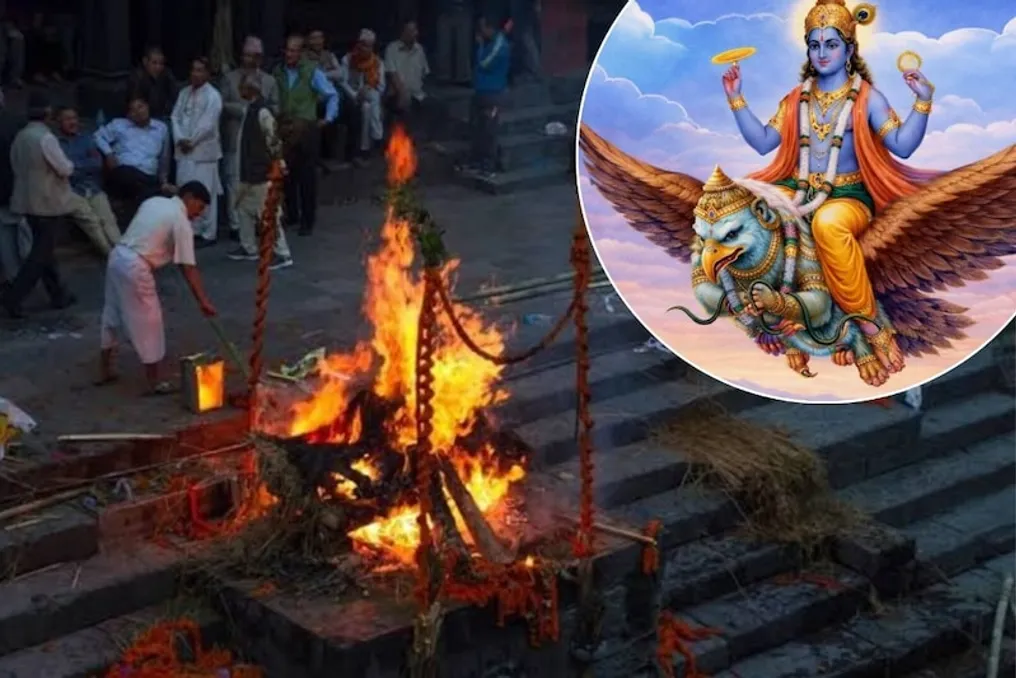
In Hinduism and according to the Garuda Purana, performing the Sharaddha ritual is considered mandatory for achieving liberation from ancestral debt (Pitri-rinn) and satisfying the souls of deceased relatives. According to religious scriptures, the eldest son is the primary person responsible for performing Sharaddha and Pindapada for the father. However, if the son is absent, ill, or unable to attend for any reason, the Garuda Purana clearly states that the rituals honoring ancestors must not be interrupted. For this purpose, the scriptures establish a specific order of rights allowing other family members and the community to perform this sacred rite.
Rights of Close Relatives in the Absence of the Son
According to the Garuda Purana, in the absence of a son, the primary right belongs to grandchildren and great-grandchildren, as they are considered part of the same lineage. If there is no male progeny in the family, the widow of the deceased has the full right to perform Sharaddha and Pindapada for her husband. If the family only has daughters, the Garuda Purana permits them to perform Sharaddha for their father. In this same sequence, the daughter's son (nephew) is also fully authorized to perform rituals for his grandparents. Furthermore, if there are no men in the household, the eldest daughter-in-law of the family may perform Pindapada for her mother-in-law and father-in-law.
Order of Performing Sharaddha by Other Relatives and in Special Circumstances
According to the Garuda Purana, if there is no progeny, the duty may be taken up by the deceased's biological brother or the brother's son (nephew). If there is no one in the immediate vicinity who can fulfill this duty, the right passes to relatives of the same caste (Sagotra) or the same clan (Sapinda). If none of the deceased's blood relatives are alive, his disciple, teacher, or close friend may also perform Sharaddha for the peace of his soul. The Garuda Purana asserts that if there are no blood relatives, any worthy Brahmin can perform Tarpan on behalf of the deceased. The main principle is that the sincerity of the act is most important, and this ritual for the peace of the ancestors' souls must not remain incomplete under any circumstances.