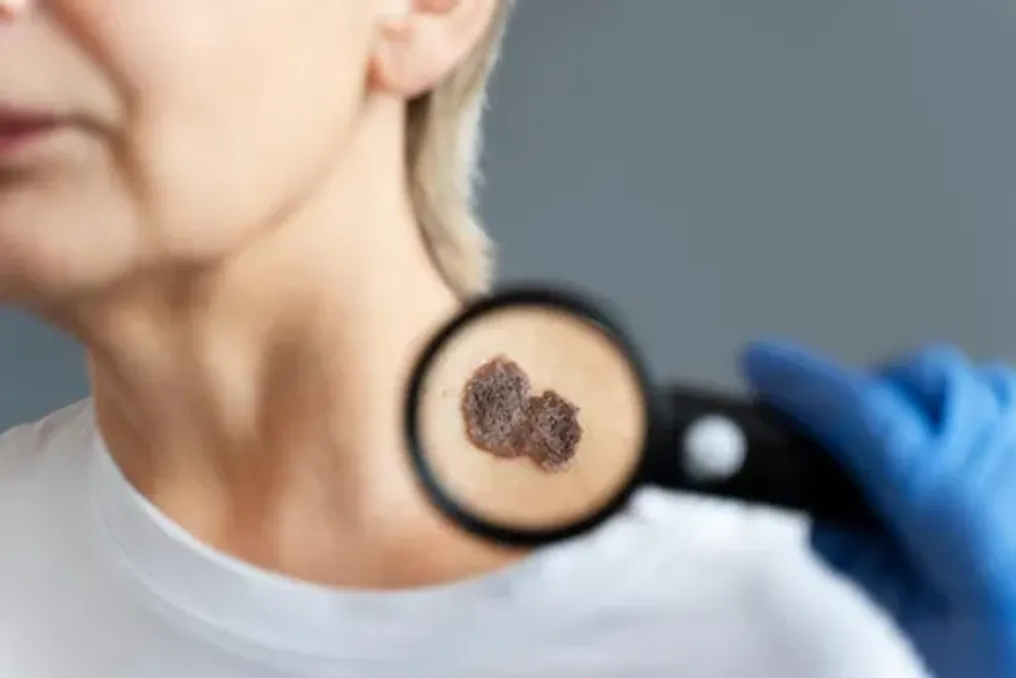
New melanoma vaccine trial shows positive results in combination with Merck drug
Read more
IOL
iol.co.za

New melanoma vaccine trial shows positive results in combination with Merck drug

American pharmaceutical companies Merck and Moderna announced on Wednesday encouraging results from the trial of an experimental melanoma vaccine that may support its approval.

The vaccine, named intismeran autogene, demonstrated 'statistically significant and clinically meaningful improvements' in patients with skin cancer when used in combination with Merck's Keytruda treatment, as stated by the companies in an official announcement.

Unlike traditional vaccines, therapeutic vaccines such as intismeran are aimed not at preventing disease, but at treating it, teaching the body's own immune system to fight tumors or other pathogens.

The companies noted that this is the first positive Phase 3 result for individualized neoantigen therapy (INT) and for mRNA-based anti-cancer therapy. They referenced matrix RNA technology, which previously proved highly effective against severe forms of Covid-19.

Specific details of the study results were not disclosed, nor was it indicated when the U.S. Food and Drug Administration might consider approving this vaccine.

Both the FDA and the European Medicines Agency have fast-tracked this therapy for review. Melanoma is considered one of the most dangerous forms of skin cancer; over 330,000 new cases of the disease were diagnosed worldwide in 2022.

Moderna CEO Stéphane Bancel stated in the announcement: 'For many years, the idea of creating an mRNA therapy specifically designed for a patient's cancer was just a dream. Now we are helping to make that vision a reality.'

Before its official opening on the New York Stock Exchange, Moderna shares rose by approximately 65 percent.

Similar stories

Pharmaceutical companies announce positive trial results for melanoma vaccine
Read more
noticiasaominuto.com

Pharmaceutical companies announce positive trial results for melanoma vaccine

Two pharmaceutical companies reported in a statement that they have obtained the first positive results from phase three clinical trials of mRNA-based anti-cancer therapy. However, they did not provide statistical data from the study, which involved over 1,100 participants.

According to the statements from these pharmaceutical enterprises, the experimental vaccine achieved a 'statistically significant' improvement in recurrence-free survival among patients with advanced melanoma who had previously undergone surgery.

This vaccine is developed based on the specific genetic mutations of each patient's tumor. Its goal is to activate the human immune system so that it can recognize and attack cancer cells.

This personalized therapy, which is combined with immunotherapy, utilizes mRNA technology. This technology involves giving instructions to the body's cells to produce proteins capable of triggering an immune response.

A similar technology was used by the pharmaceutical company Moderna for the large-scale production of the COVID-19 vaccine during the pandemic.

Phase three of a clinical trial is a crucial stage preceding applications to regulators for the commercialization of a drug or vaccine, and it aims to confirm its efficacy and safety.

Moderna and Merck report successful achievement of Phase III trial criteria for melanoma vaccine
Read more
nplus1.ru

Moderna and Merck report successful achievement of Phase III trial criteria for melanoma vaccine

Moderna and Merck published a joint press release announcing the interim results of the Phase III clinical trials for autogeneic intismeran. This development is an individualized neoantigen RNA vaccine designed to prevent melanoma recurrence.

Although final data has not yet been obtained, both companies state that the study has already demonstrated compliance with predefined success metrics during the planned preliminary analysis. These criteria relate to two aspects: the duration of patients' lives without disease recurrence and survival without the appearance of distant metastases.

Popular