The growing unemployment rate in the country is negatively affecting the economy, impacting sectors such as agriculture through job cuts and difficulties in retaining staff.
According to Stats SA data, the highest number of job losses during the second quarter of 2026 was recorded in the agricultural and manufacturing sectors, with 15,000 jobs lost in each. These are followed by mining and manufacturing.
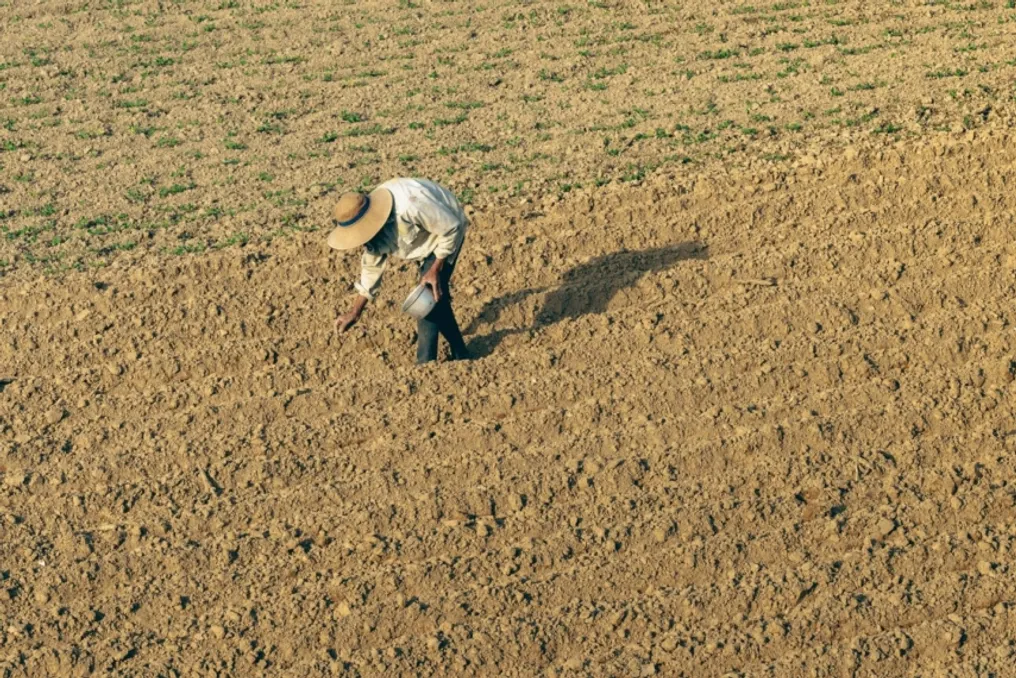
Tulanani Magida, a farmer cultivating crops in the Eastern Cape, noted that many factors influence job reductions in agriculture. He pointed out that the war in Iran significantly reduces business profitability and worsens farmers' prospects. High prices for fuel and fertilizers persist throughout the season, leading to reduced planting areas.
Magida emphasized that due to the state of the South African economy, it is extremely difficult to secure employment on farms. Small and communal enterprises, like his, struggle to cover labor costs because they cannot access financing. They are forced to cover farm business expenses with their own cash flows as there are no financial instruments aimed at emerging farmers in communal areas.
As representatives of small businesses in communal areas, they prioritize crops that require a high amount of manual labor and have financial viability, but they face difficulties in obtaining funds from both development institutions and commercial banks.
Meanwhile, Mamello Chobokwane, Treasurer of the Agricultural Graduates and Farmers Association of South Africa (Agfasa), expressed serious concern about unemployment and competition for jobs among young agricultural graduates amid growing job losses.
She noted that this causes deep anxiety because many graduates possess similar qualifications and compete for a limited number of entry-level positions, especially in agricultural consultancy roles. Furthermore, she is concerned that some entry-level consultancy positions now require NQF Level 8 qualifications, while senior positions may only require a diploma.
Chobokwane also explained how the government can stabilize employment in agriculture. She proposed providing support to graduates who already have access to land to start production, and hope for permanent employment for those undergoing internships.
She stated that the government must ensure that graduates who successfully complete internships receive a real opportunity to be hired. She expressed hope for the graduates but stressed that this hope depends on creating a fair agricultural sector where qualification, competence, and dedication are determining factors, not political connections.
Tabile Nkundzana, an agricultural economist from the National Agricultural Marketing Council (NAMC), shared his findings on the decline in the agricultural sector based on the analysis of the recent Stats SA data release for the second quarter of 2026.
According to Statistics South Africa, employment in the South African agricultural sector decreased by nearly 16,000 jobs: from 960,000 in the first quarter to 944,000 in the second quarter of 2026. This represents a 1.6% decrease compared to the first quarter. Despite the overall rise in the national unemployment rate, employment figures in agriculture remain positive. However, given the sector's targets, other market participants are concerned about a potential drop in employment during a period when growth is often observed due to the activities of various industries, such as citrus farming.
Nkundzana believes that the sector still has potential and remains resilient despite the discouraging figures. Activities continue in industries such as cereals and oilseeds, as farmers will begin preparations for summer planting around October. Although there are several encouraging developments, such as the resumption of exports to some markets, the livestock industry continues to experience pressure and employment challenges, which is likely to persist until a significant improvement in the situation.