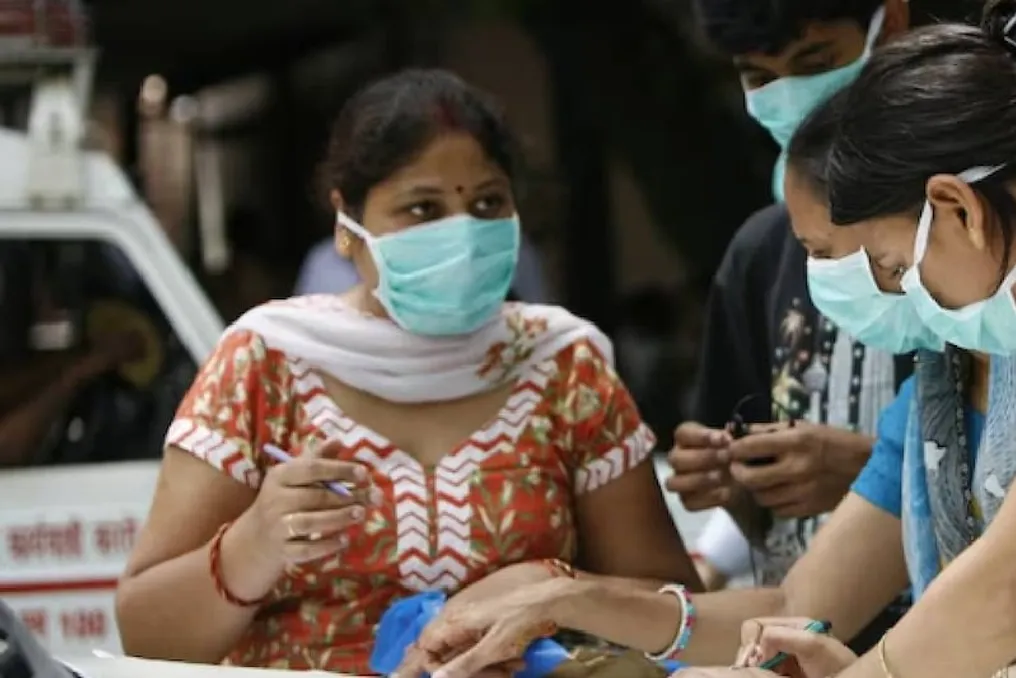
Cases of H1N1, or swine flu, are rapidly increasing in the Delhi-NCR region due to humidity and changing weather. Additionally, patients with other respiratory infections are also reaching hospitals. It has come to light that several physicians and the head of a government hospital in Delhi have also tested positive for H1N1.
So far this year, 1,349 cases of H1N1 have been registered in Delhi. Comparatively, only 229 cases were reported during the same period last year, which means there has been an increase of almost six times in cases within one year. Doctors believe that flu and respiratory infections can spread rapidly during monsoon and humid weather.
Symptoms of H1N1 can include sudden high fever, dry cough, body aches, headache, sore throat, chills, and fatigue. Some patients may also experience problems such as difficulty breathing and low oxygen levels. Doctors have advised that immediate medical attention should be sought if there is difficulty breathing, chest pain, persistent high fever, confusion, blue discoloration of the lips, or continuous worsening of symptoms.
Who is at risk from H1N1?
Elderly individuals, young children, and pregnant women are at higher risk of developing severe illness from H1N1. Special caution is also recommended for people with diabetes, heart or lung diseases, and weakened immune systems.
Regarding treatment, doctors may prescribe the antiviral drug Oseltamivir to high-risk and severely ill patients. This drug is considered most effective when started within 48 hours of the onset of the illness. Generally, antibiotics are not required for H1N1 unless a bacterial infection is present.