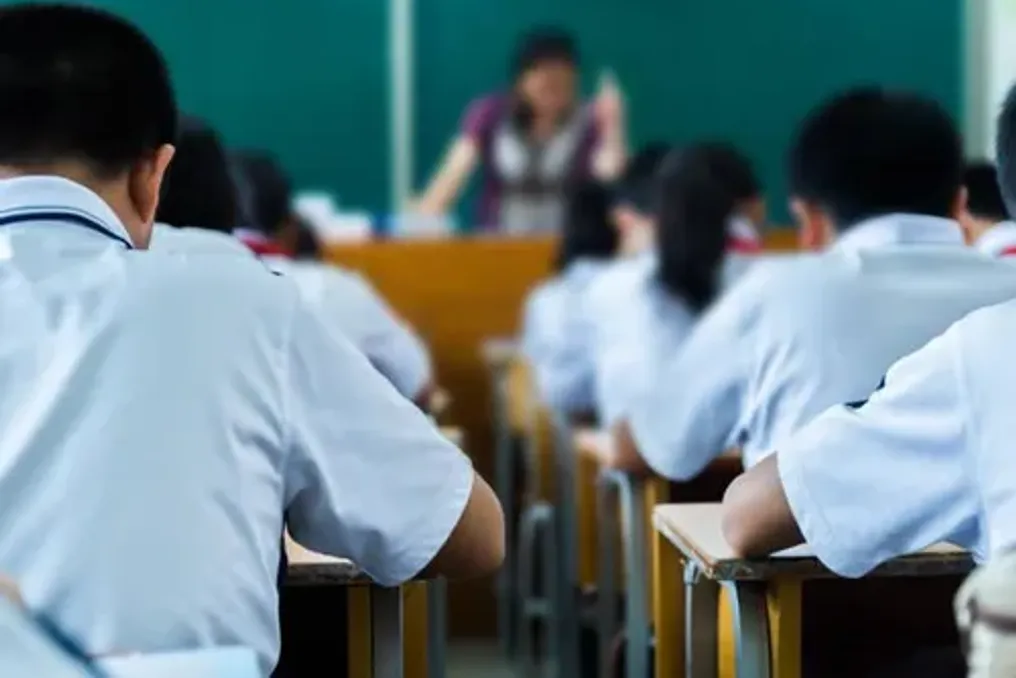
Teachers from the cities of Chatsworth and Phoenix are facing escalating classroom issues that threaten the quality of education provided to students. Staff educators are appealing to the Department of Basic Education to fill vacancies in public schools, pointing to growing pressure caused by a high student-to-teacher ratio, which is currently around 34 students per public educator.
Teachers from Chatsworth and Phoenix note that this increasing imbalance forces many to cope with serious difficulties in the classroom, jeopardizing the quality of learning. A teacher from Chatsworth, who wished to remain anonymous, reported that over the last eighteen years of her work, classrooms have transformed from places of learning into noisy and chaotic environments.
She attributes this to the high student-to-teacher ratio, which, according to a 'School Realities' report published earlier this year by the Department, stood at 34 to 1. The 40-year-old elementary school teacher noted that while the school's governing board has addressed teacher shortages, the large class sizes have increased the burden of administrative work and grading.
The teacher emphasized that managing a large number of students requires constant physical and visual effort to ensure the attention of every child simultaneously. She employs group activity methods, uses peer feedback, and maintains open dialogue with parents to sustain a structured and productive dynamic in the classroom. Nevertheless, the high student-to-teacher ratio significantly hinders effective learning and reduces individualized attention.
According to her, teachers spend a disproportionate amount of time on organizational matters and classroom management instead of engaging in individualized teaching. As a result, struggling students often go unnoticed, and high-achieving students miss out on necessary targeted enrichment to develop their abilities. Larger classes are accompanied by increased noise levels and frequent disruptions, leading to sensory overload, making it difficult to concentrate, process complex instructions, and retain new information, resulting in rapid mental exhaustion throughout the school day.
Furthermore, this contributes to stressful days at school; working with a large number of students causes fatigue. She adds that she returns home at 4:00 PM daily and then spends another two hours preparing for the next day and grading children's notebooks. During exams, she experiences sleepless nights due to the volume of grading.
A teacher from Phoenix described her problems related to overtime and lack of time for daily administrative tasks. She mentioned previously working in classes with up to 40–50 students. Currently, she teaches a class of 39 students and feels overwhelmed by the curriculum and administrative duties. She claims they are underpaid, understaffed, and overworked, a situation exacerbated by poor student behavior and a lack of support from the department.
She added that the current school lacks staff, and they are informed about a lack of budget to hire additional teachers. They can no longer cope, and from the department, they receive only talk, not action.