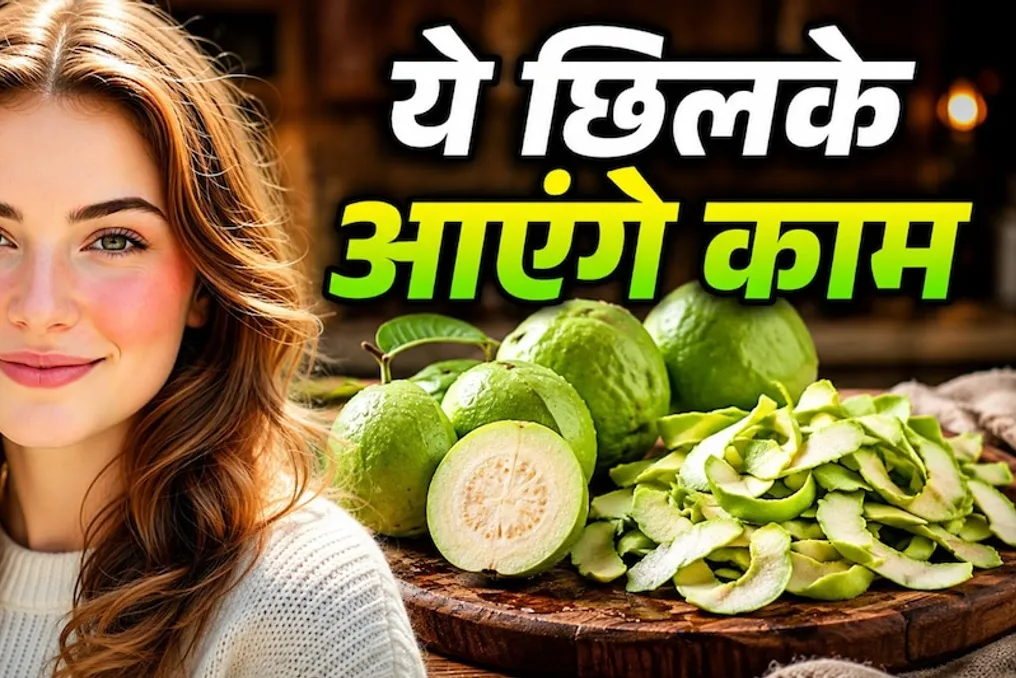
Useful ways to use guava peel: 10 non-obvious applications
Read more
Aaj Tak
www.aajtak.in

Useful ways to use guava peel: 10 non-obvious applications

Many people love sweet and juicy guavas, but after eating the fruit, its peel is often considered useless and thrown in the trash. Those who have been doing so should stop. Guava peel can be very useful not only for food but also for household chores and gardening.

Thanks to the nutrients it contains, its natural aroma, and acidic properties, guava peel can be used for cleaning the house, caring for plants, and various kitchen tricks. Below are unique ways to use guava peel that will help make your home more fragrant and even save you money.

Guava peel can be used to create organic fertilizer for plants instead of throwing it away. To do this, cut the peel into small pieces and add it to compost. This provides plants with necessary nutrients such as nitrogen and potassium.

Peel can also be used to make a natural room air freshener. You need to boil the peel together with cinnamon or cloves. The steam and aroma released during boiling eliminate unpleasant odors throughout the house and freshen the air.

Furthermore, peel can be used to make an excellent and fragrant cleaning solution. To prepare it, boil the peel in water, then add lemon juice and Dettol, pouring the mixture into a plastic bottle. The resulting mixture can be used to clean the refrigerator, microwave oven, and other items in the house.

Guava peel helps get rid of odors from dishes. A particularly strong smell can appear after cooking non-meat or egg dishes. Therefore, after washing dishes, you can rub them with guava peel, which instantly eliminates persistent odors.


Similar stories

Banana Peel Benefits: Use for Skincare, Leather Care, and Silver Cleaning
Read more
www.aajtak.in

Banana Peel Benefits: Use for Skincare, Leather Care, and Silver Cleaning

It is well known how beneficial bananas are for health. However, many do not know that the peel, which is thrown in the trash after consumption, can solve many problems around the house and in beauty care. Banana peel is rich in potassium, magnesium, vitamin B6, antioxidants, and natural oils. Because of this, it shows impressive results—from fertilizing plants to improving facial appearance and cleaning the home. Instead of throwing away the peel after eating a banana, try using it in these wonderful home remedies.

Uses for Banana Peel:

Reducing Acne and Wrinkles (Beauty Hack)

Banana peel is very beneficial for the skin. When applied to the face directly or as a mask using the inner layer, it helps reduce spots, gives the face a glow, and reduces wrinkles. It contains potassium, zinc, and antioxidants that moisturize the skin, help maintain its moisture, and reduce acne inflammation.

How to use: Gently massage the inner part of the peel on the face and under the eyes, especially on dark circles, for 5–10 minutes. Then rinse the face with clean water. This will make the skin more elastic and give it a glow. Alternatively, blend the peel in a blender, prepare a paste, and apply it along with any other mask to the face.

Shining Leather Shoes and Jackets

If your leather shoes or bag have lost their shine, you can use banana peel instead of expensive polishes. How to use: Rub the inner part of the banana peel (the white part) onto the leather shoes or jacket with light movements. Then wipe with a dry soft cloth, and the leather will look like new.

Removing Yellow Stains from Teeth

The magnesium and potassium in banana peel help remove stubborn yellowing and stains accumulated on teeth. How to use: Brush the inner part of the peel gently against the teeth for two minutes daily, and then brush them with a toothbrush. In just a few days, the teeth will become clean and shiny.

Cleaning Silverware and Jewelry

Banana peel can instantly clean tarnished silver. To make a paste, blend the banana peel with a small amount of water in a blender. Apply this paste to silver items, leave it for 10 minutes, and then wipe and rinse with a cloth.

Excellent Natural Fertilizer for Plants

Banana peel contains a large amount of potassium and phosphorus, which is crucial for the growth of trees and plants. For use, you can either cut pieces of the peel and bury them in the pot soil, or soak the peel in water for 2–3 days and water the plant roots with this solution. As a result, flowers and fruits will begin to appear faster.

Recipe for Alu-Meti Batata Vada with Secret Spice for Serving with Tea
Read more
www.aajtak.in

Recipe for Alu-Meti Batata Vada with Secret Spice for Serving with Tea

When it is drizzling outside, the combination of a crispy dish with strong ginger tea brings great pleasure. Although many prefer fried donuts (pokode) during the rain, you can try something new—hot Alu-Meti Batata Vada with tea.

If fresh green mint (meti) is available, it will be ideal; otherwise, dried mint and boiled potatoes can be used to prepare this vada. Adding a special secret fried mixture gives this vada a flavor that surpasses even street-style vada pav. Below is a simple way to prepare this Alu-Meti Batata Vada.

How to make Batata Vada

First, you need to prepare a mass from the potato. For this, you will need whole cumin (sabut dhaniya): 1 tablespoon, cardamom (saunf): 1 teaspoon, whole cumin (sabut jeera): 1 teaspoon, ajwain: 1/2 teaspoon, and dried red pepper: 2 pieces. These whole spices must be lightly roasted in a deep fryer over low heat for 1-2 minutes until fragrant. After cooling, they should be ground in a blender or mortar to a coarse powder.

Ingredients for the Potato and Mint Filling

For the filling, you will need 4 boiled potatoes (mashed), 1 cup of fresh mint (finely chopped and washed), 1 tablespoon of the ready secret mixture, 1/2 teaspoon of nigella seeds/mustard, a pinch of asafoetida (hing), 8-10 curry leaves, 2 hot peppers (thinly sliced), 1 tablespoon of ginger and garlic paste, 1/2 teaspoon of turmeric powder, 1 teaspoon of amchur powder or lemon juice, 2 tablespoons of finely chopped cilantro, and salt to taste.

For the legume batter (besan), you need 1.5 cups of besan, 2 tablespoons of rice flour (to give the vadas a crispy texture), 1/4 teaspoon of turmeric, 1/2 teaspoon of red pepper powder, a pinch of baking soda, and 1 tablespoon of hot oil (to add to the batter). Salt to taste is also required.

Cooking Process

First, heat 1 teaspoon of oil in a pan. Then fry the nigella seeds, asafoetida, curry leaves, hot pepper, and ginger and garlic paste for 30 seconds. After this, add the thinly sliced mint and cook for 2 minutes until all the moisture from the mint evaporates and its bitterness disappears. Next, mix in the turmeric, salt to taste, amchur powder, and the prepared secret mixture. Then add the mashed potato and cilantro, mixing all ingredients thoroughly. After 2 minutes of simmering, turn off the gas and let the mixture cool. When the mass cools, form balls the size of a lemon.

Preparing the Perfect Legume Batter

In a bowl, mix the besan, rice flour, turmeric, red pepper, a pinch of asafoetida, and salt. Gradually adding water, knead a thick and smooth dough (it should not be too runny or too thick). Then add a pinch of baking soda and 1 tablespoon of hot oil, mixing well. (Adding hot oil makes the vadas very crispy on the outside and reduces oil absorption).

Heat oil well in a deep pan. Dip each potato and mint ball in the legume batter and carefully drop it into the hot oil. Maintaining medium heat, flip the vadas until golden and crispy. The finished Alu-Meti Batata Vada is served hot, along with fried hot peppers, red sauce made from dried garlic, and strong evening tea.

Popular