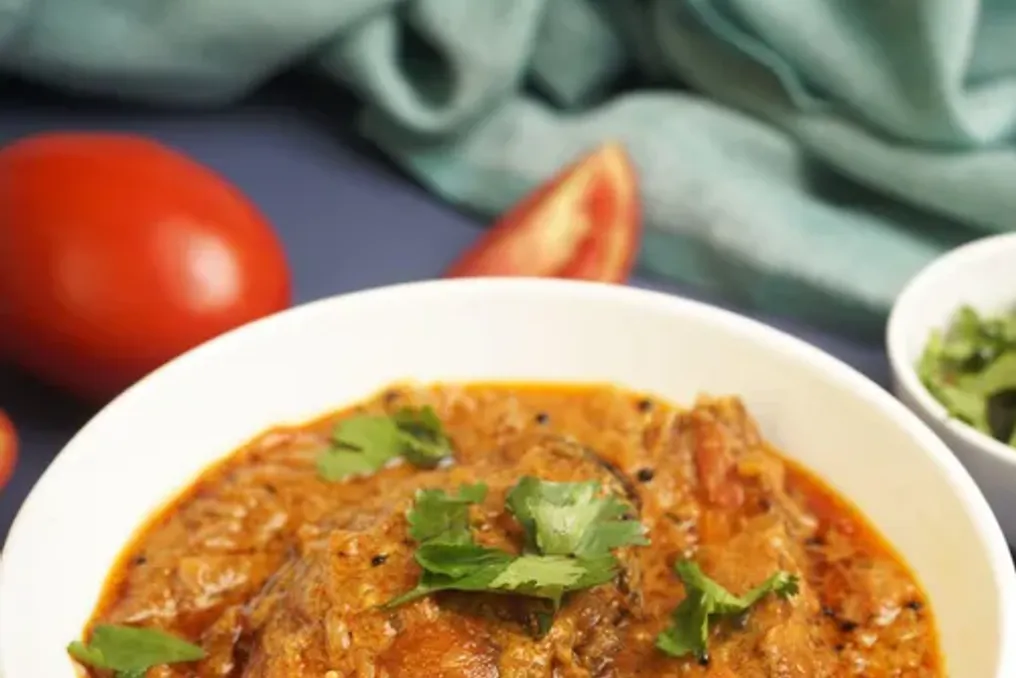
Fish curry is ideal for preparing dinner on weekdays when you need to set the table quickly without spending the entire evening in the kitchen. Fish is one of the simplest options because it cooks quickly, pairs well with rich flavors, and can be served with rice or roti for a satisfying meal.
This recipe uses salmon, but it can be replaced with other firm types of fish, such as hake or snoek, to choose the freshest or most affordable option during shopping. The curry is made on a tomato base and is flavored with mustard seeds, cumin, curry leaves, ginger, garlic, and a blend of spices. Tamarind adds a pleasant tang to the dish, and a little sugar can be added at the end to balance the acidity if necessary.
Simple Fish Curry Recipe
To begin, heat a generous amount of oil in a large pot over medium heat. Then add the mustard seeds and cumin, followed by the curry leaves and sliced green chili. As soon as the seeds start to pop, add the chopped onion and cook until soft and lightly browned. Next, add the ginger and garlic paste and sauté it for another minute.
After this, add Kashmiri masala, chili powder, turmeric, danji dhira, garam masala, fish and shrimp masala. Mix all ingredients thoroughly and let the spices cook for several minutes over low heat so they do not burn.
Then pour in the pureed tomatoes and mix well. Season the dish with salt and let it simmer until the tomato mixture thickens and oil appears on the surface; this step takes time as it gives the curry base greater depth of flavor. After this, stir in the tamarind mixture and let it simmer briefly.
Gently place the pieces of fish into the curry and cook for about five minutes, then carefully flip each piece. Cover the pot and continue cooking until the fish is fully cooked. If the sauce becomes too thick while cooking the fish, add a little water. Check the seasonings; if the tomatoes and tamarind make the curry too sharp, add a little sugar at the end and taste again. Before serving, sprinkle with plenty of fresh cilantro.
Which type of fish is best for fish curry?
Salmon gives this curry a richer flavor and holds its shape well with gentle handling, but it is not the only option. Hake is a simple and often more budget-friendly substitute. Snoek can also be used if you prefer a stronger-flavored fish from South Africa. It is important to choose pieces that can withstand gentle simmering in the sauce without falling apart.
Firm fish is usually used in curry because it can be added closer to the end of cooking and gently simmered in the sauce. If frozen fish are used, ensure they are properly thawed and dried before adding them to the curry, as excess water can make the sauce watery.
How to prevent the fish from falling apart in curry?
The most common mistake when making fish curry is stirring the fish constantly. Once the fish is in the pot, it should be handled as little as possible. Gently place the pieces in the sauce and turn them once using a wide spoon or spatula. Avoid vigorous stirring or boiling, as delicate fish can fall apart. Similar fish curry recipes advise adding the fish only after the sauce has completely thickened, and then simmering it gently.
It is also critically important to prepare the tomato masala correctly before adding the fish. If the sauce is still watery, pre-simmering it will ensure a higher quality final product, and you won't have to try to reduce the sauce while the fish is already in the pot.
Why is tamarind so good for fish curry?
Tamarind brings a sharp, fruity tang to the tomato base. It is especially useful in fish curries because it softens the richness of the dish and gives the sauce a lively contrast. Fish curry recipes influenced by South African and Indian cuisine often combine tamarind with tomatoes, curry leaves, and spices. The amount of tamarind in this recipe is intentionally modest, so taste the curry before adding more. Tomatoes already contain acidity, and you can always add more tamarind if you want a sharper flavor.
This is exactly the kind of fish curry that can easily fit into a daily menu. The sauce can be prepared while the rice is cooking, and as soon as the fish goes into the pot, dinner will be ready shortly.