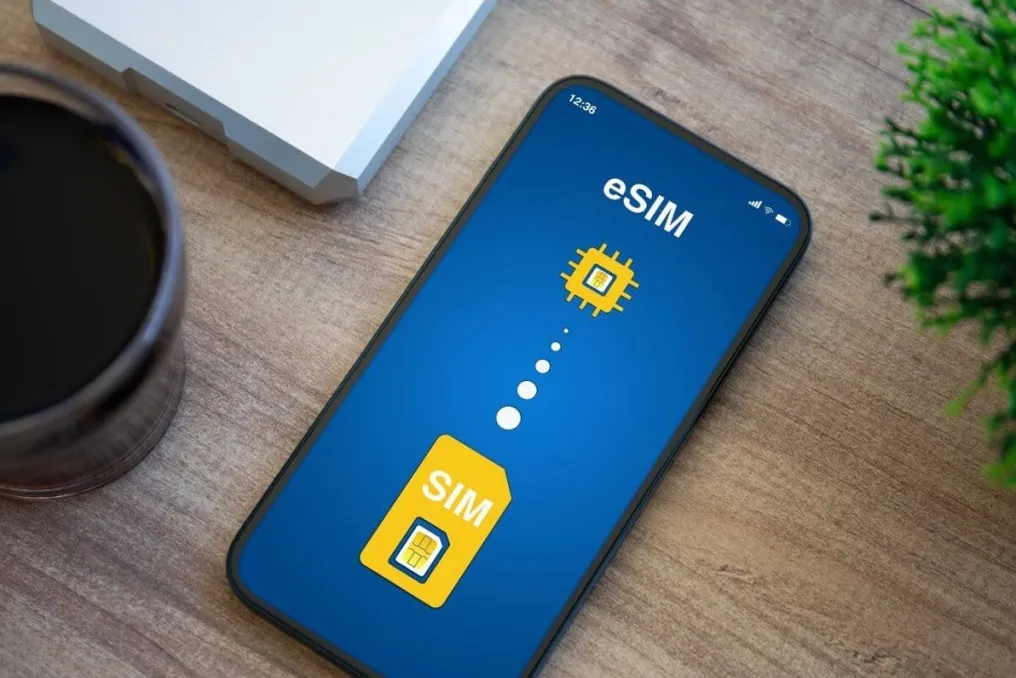
The global use of tourist eSIMs is projected to reach 134 million connections by 2026, representing an increase of approximately one-third compared to 101.8 million connections the previous year. Travelers are increasingly preferring virtual SIM cards due to lower prices for mobile internet outside the country, which poses a serious threat to traditional telecommunications service providers.
According to an analysis by research company FDM CCS Insight, operators' roaming revenue accounts for about 3–5% of total revenue, and these services traditionally have high margins. Consequently, the widespread adoption of tourist eSIMs could cause a noticeable decline in profits in this industry.
Users can purchase a virtual SIM card for their trip in advance through specialized platforms such as Airalo and Saily. Furthermore, financial institutions, including Revolut and Klarna, have also begun offering similar services. The connection process is carried out directly through a mobile application, eliminating the need to purchase or replace a physical SIM card.
The popularity of these services demonstrates rapid growth: five leading tourist eSIM applications have accumulated over 26 million downloads since the beginning of 2026, and the total number of downloads reached 36.4 million throughout 2025.
The competitive advantage is particularly evident in the British market. For example, a package from Revolut providing one gigabyte of data for seven days costs £3.49, whereas operator EE may charge £8 for 500 megabytes valid for one day.
The expansion of this segment is also supported by the increasing number of smartphones supporting eSIM technology. According to GSMA, in 2025, over 326 phone models had this feature, which is almost 50% higher than the previous year.
The global market volume for tourist eSIMs was estimated at £649 million in 2025, but according to STL Partners, this market could grow to £3.2 billion by 2030.
Traditional operators are already facing pressure from virtual mobile operators who use other networks' infrastructure to sell their services. The growing popularity of tourist eSIMs only intensifies this pressure on the established business model of operators.
To retain their customer base and roaming revenue, operators need to develop new strategies: lowering pricing, improving service quality, and actively developing their own digital products. This process is transforming the market, giving travelers more options when purchasing mobile internet abroad.
In the context of market development, entrepreneur Farhod Mamadjanov previously obtained permission in Uzbekistan to acquire 50% of the shares of the operator Perfectum. A new mobile communication project was planned based on this company with the involvement of international partners, including British Vodafone and Finnish Nokia, with the estimated investment volume being 250 million euros.