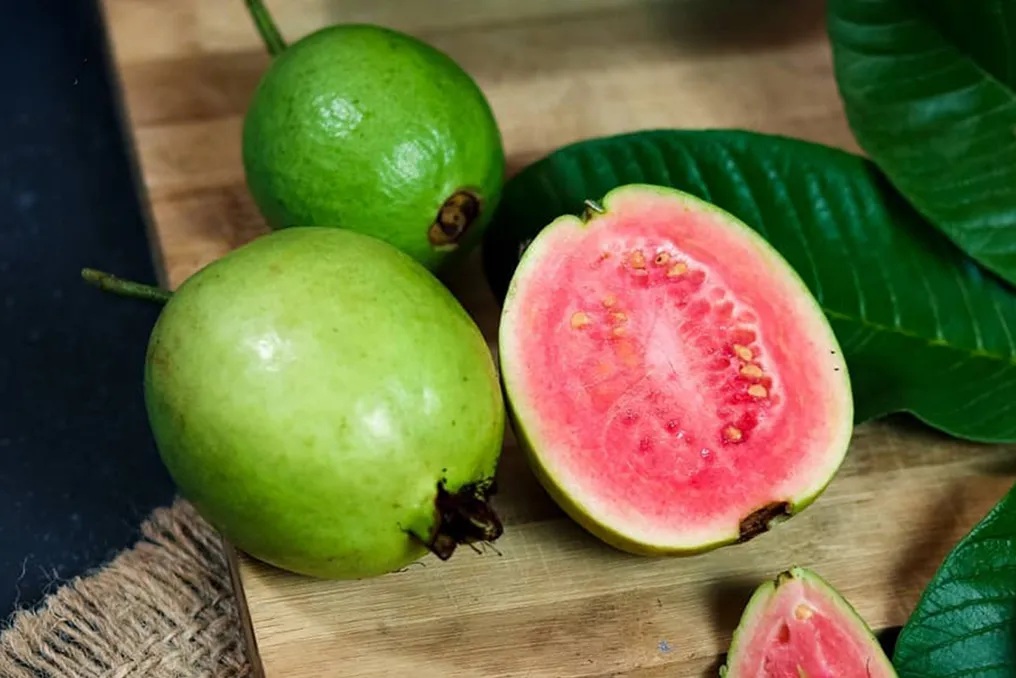
It is a known practice that combining plant-based iron sources, such as beans, with Vitamin C sources improves mineral absorption and reduces the risk of developing anemia. Although citrus fruits are known for providing this vitamin, a recent study suggests that guava can also be beneficial in this process.
This finding was presented in May in the journal BMJ Nutrition, Prevention & Health, through a meta-analysis that evaluated data collected from 726 women, including adolescents and pregnant women. Most of the analyzed research focused on consuming the fruit juice along with iron supplementation, concluding that this combination raises hemoglobin levels, the essential protein for transporting oxygen from the lungs to the body.
Nutritional Recommendation
Nutritionist Patrícia Miquilim Seki, from Einstein Israelite Hospital, commented that this meta-analysis reinforces the suggestion to incorporate guava into the diet as a nutritious and low-cost strategy to mitigate the risk of iron deficiency anemia, which occurs due to iron deficiency.
Symptoms associated with low hemoglobin include paleness, headaches, and lethargy. In childhood, this condition affects neurological development, growth, and the immune system. Although various nutrients can cause the disorder, iron deficiency anemia is the most common.
It is known that Vitamin C helps convert ferric iron to ferrous iron, which facilitates its solubility and uptake by intestinal cells. Furthermore, Vitamin C interferes with the action of phytates, reducing the impact of these substances found in legumes (such as beans, peas, lentils, and soy) and cereals, which impair iron absorption.
For this reason, it is recommended that vegetarians and vegans consume foods rich in Vitamin C along with plant-based mineral sources. This is because non-heme iron, present in these sources, has lower bioavailability compared to iron found in meat.
Legumes and nuts, such as chestnuts, walnuts, and almonds, are excellent sources of iron. Other sources include pumpkin seeds, flaxseeds, sesame seeds, and chia, as well as dark green vegetables (such as kale, watercress, broccoli, and spinach) and grains like quinoa, amaranth, oats, corn, and brown rice.
Other Benefits of Guava
In addition to Vitamin C, guava contains antioxidant compounds, such as flavonoids and carotenoids, with quercetin, ellagic acid, and lycopene (present in red pulp varieties) being notable examples. The study highlighted the antioxidant capacity of these substances, which protects red blood cells against oxidative stress.
The fruit also provides folate, a B complex vitamin crucial for blood cell formation, and mineral salts, such as potassium. According to Seki, the latter is a vital micronutrient for maintaining blood pressure, the nervous system, and muscle function.
Another positive point is the high fiber content, which is important for intestinal health, offering both soluble and insoluble types, which helps balance the microbiota and promote bowel transit. The nutritionist clarified that the old myth that guava caused constipation may be linked to inadequate water intake, which leads to hardened stools.
Consumption Suggestions
To optimize iron absorption, it is ideal to consume guava immediately before or after lunch and dinner. The specialist advises consuming the fresh fruit, preferably with the peel, provided it is properly sanitized, to ensure all its nutrients.
Natural juice is another option, which should be consumed shortly after preparation. The Einstein specialist warned that Vitamin C is sensitive to factors such as oxygen, light, and heat, resulting in significant losses the longer it is stored.
Since guava already has a naturally sweet taste, the recommendation is to avoid adding sugar. Guava paste can be included in the diet in moderation. Although it does not have the same nutritional benefits as the whole fruit, occasional consumption within a balanced diet does not cause harm. It is suggested to combine it with cheese, creating the traditional 'Romeo and Juliet', which helps reduce the rate of sugar absorption, balancing the dessert.