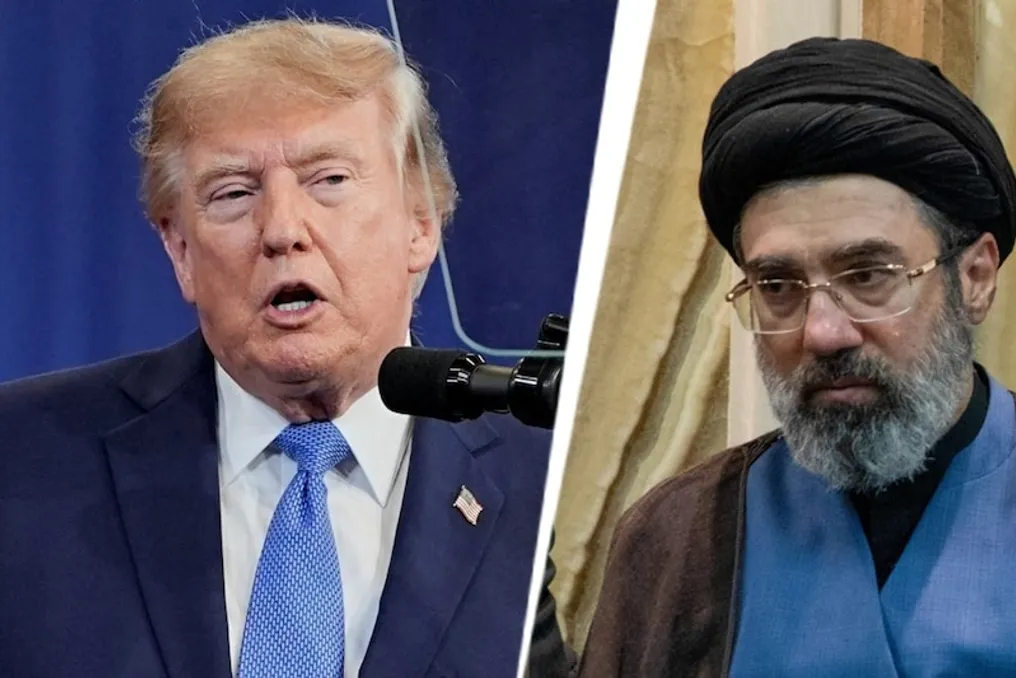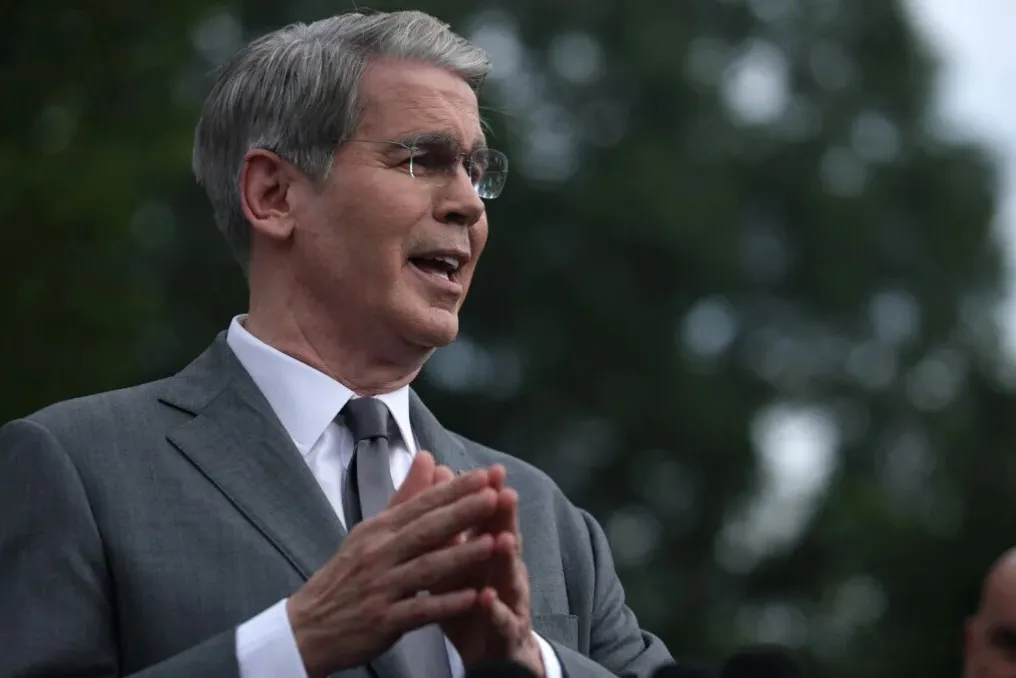
US Treasury Secretary Scott Bessent stated on Thursday that Washington will impose 'the harshest sanctions in history' against Iran, aiming to increase economic pressure on the Islamic Republic despite growing economic costs of the war.
Bessent told CNBC that the strategy would be a 'double blow': a blockade of Iran combined with unprecedented sanctions. He is confident that this will lead to the collapse of the regime in Iran, adding that the details of the sanctions will be presented on Monday.
These statements by Bessent followed two days after Trump announced the launch of an 'economic Day D' against Iran. Trump warned that any country whose financial institutions, businesses, airports, or state structures provide any support to Iran would face 'HUGE economic consequences.'
Trump's administration threats come against the backdrop of the ongoing inability of US military forces to assert control over the Strait of Hormuz, while the truce between the two countries has virtually collapsed. Rising energy prices pose a problem for the Trump administration, which is trying to curb the increase in borrowing costs.
The international Brent Oil benchmark rose by two percent on Thursday, reaching $93.41 per barrel. The war has also disrupted global shipping trade, leading to a sharp increase in tanker freight costs. The BWET stock index, which allows investors to bet on freight rates, jumped by 98 percent in the last month.
When asked about rising energy prices, Bessent noted the presence of asymmetric information and expressed surprise at the rise in oil prices.
Iran continues to attack vessels in the Strait of Hormuz, while its ally in Yemen, the Houthis, have established a naval blockade against Saudi Arabia in the Red Sea. The Kingdom has had to reroute crude oil to the Mediterranean Sea via Egypt, as it depends on this waterway for exports.