The death of 19 children in the Baiga area of Balaghat, Madhya Pradesh, has called into question the functioning of the entire healthcare system. Initially, malnutrition was considered the cause of these children's deaths, but reports from ICMR and other leading medical institutions showed that the primary cause of death was meningitis and measles infections.
After the publication of this report, the problem was not resolved; instead, another serious issue arose concerning the safety and healthcare system for children. It was found that all children identified with the measles virus had not received regular vaccinations, meaning they failed to gain necessary protection against infections.
Although the deaths in Balaghat are linked to infections, tribal areas face a dual threat: in addition to the risk of contracting diseases such as malaria and measles, children suffer from chronic malnutrition. These two factors—illness and malnutrition—have the most negative impact on the health of children from tribal communities.
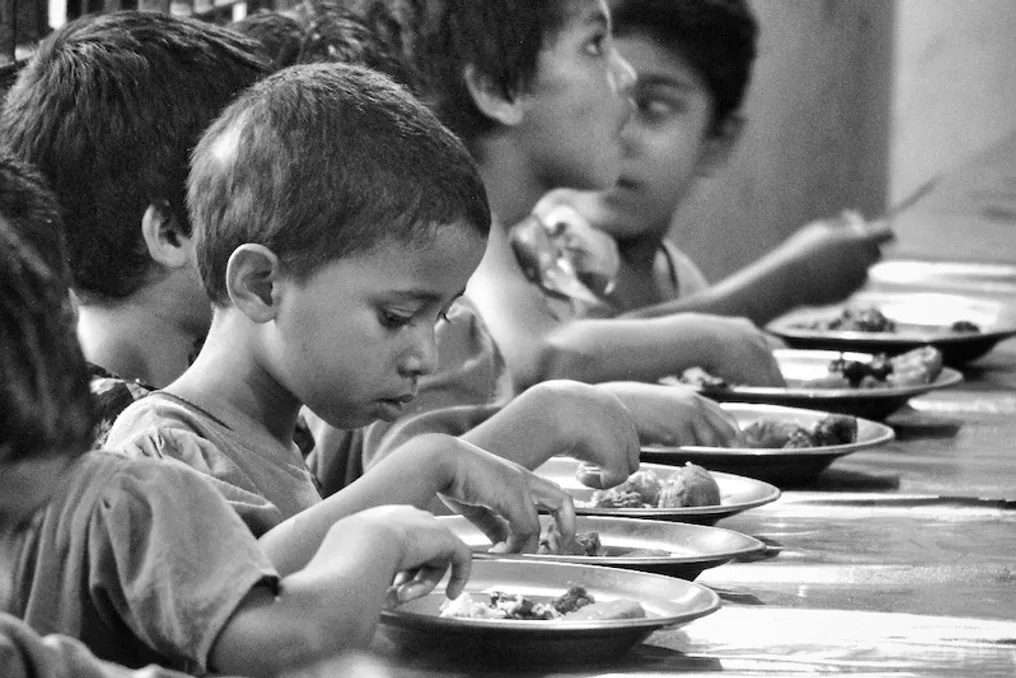
Statistics from the National Family Health Survey-6 also raise concerns about the nutritional status of children in rural Madhya Pradesh. According to this data, the proportion of malnourished children in rural Madhya Pradesh has increased from 33% to over 42%. This raises the question of why there is no system in place to ensure both disease vaccination and nutrition to prevent malnutrition.
Under the central government's Mission Poshan 2.0 program, nutritious food is provided to pregnant women and children under six years old for at least 300 days a year. However, it was reported in nearly 97 thousand Anganwadis in Madhya Pradesh that regular provision of nutritious food occurs only about 260 days a year. This raises questions about the regularity of supplies in a system designed to provide year-round nutrition for children and women.
Furthermore, all 7 food processing plants that supplied food for nutrition in districts such as Rewa, Sagar, Dewas, Shipuri, and Hoshangabad were closed. Changes in the nutrition supply system also raised questions, as the system created for constant child sustenance suffered during the transition. Concerns arose regarding the regularity of receiving nutritious food by children in tribal areas.
The Minister of Women and Child Development, Nirmala Bhuria, acknowledged that the supply of nutritious food was disrupted for a period during the system change. According to her, the old system, where nutrition was provided by the Department of Rural and Tribal Development, was deemed unsatisfactory and was changed. Until new tenders were issued, local departments provided nutrition to children through self-help groups. Nevertheless, the minister noted that the disruption of supplies during the transition raises an even more acute question about how to ensure regular access to nutrition in areas where children's health and nutrition status is already complex.
Taking seriously the case of the children's deaths in Balaghat, the Minister of Women and Child Development, Nirmala Bhuria, instructed the department secretary to visit Balaghat to assess the situation. The death of 19 children in the Baiga tribal area raised many questions about healthcare, vaccination, and nutrition systems. After investigations identified malaria and measles infections as the main causes of death, the focus has now shifted to regular vaccination, as children with measles were unvaccinated. Simultaneously, the number of malnourished children in rural Madhya Pradesh is increasing.
The problem in Madhya Pradesh is particularly significant because a large part of the country's vulnerable indigenous population resides in this state. Seventy-five tribal groups in the country have been declared especially vulnerable. In Madhya Pradesh, tribal communities in Dindori, Mandla, Balaghat, Anuppur, Umaria, Sheopur, and Chindwara fall into this category. Thus, the death of 19 children in Balaghat is not just a local incident, but a question of how regularly and effectively medical and nutritional services reach children in vulnerable tribal areas.