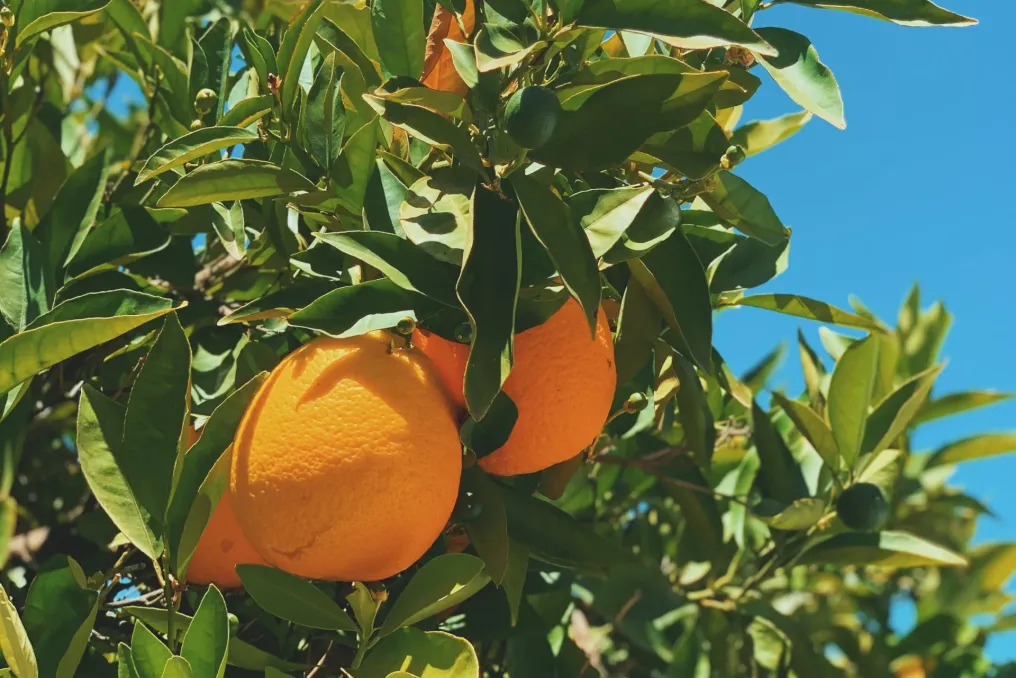
Citrus Picking Spots in South Africa: Farms and Festivals
Read more
Getaway
getaway.co.za

Citrus Picking Spots in South Africa: Farms and Festivals

Picking fruit straight from the tree brings a special satisfaction. During the citrus season, many South African farms open their orchards to visitors, offering the opportunity to pick your own citrus harvest, explore the countryside, and take your haul home.

From blood oranges in Cape Winelands to citrus groves in the Eastern Cape—these are places where you can get a deeper insight into the country's agricultural landscape, fill your basket, and take home the yield.

The annual Citrus Festival in Boschendal is one of the most renowned citrus picking events in the country. Held in winter, the festival gives guests access to estate gardens where they can pick citrus under the guidance of farm staff.

The 2026 festival included picking experiences, a basket, 3 kg of hand-picked citrus, as well as live music, a food market, tractor rides, and children's entertainment. The historic estate was founded in 1685 and continues to operate as a farm where food, wine, and seasonal produce are central to the experience.

Even if you are not interested in wine, the citrus festival is a great reason to spend a winter day in the Winelands.

In Babylonstoren, the citrus season is significantly shorter but no less appealing. The annual blood orange picking at this farm gives visitors a chance to stroll through the gardens and fill a box of harvest directly from the trees. This ruby-red fruit is a winter specialty and can be eaten fresh, made into juice, or used for baking and preserving. Babylonstoren describes this picking as an annual tradition.

The farm is one of the oldest Cape Dutch style farms, with a fruit and vegetable garden at the heart of its farm-to-table philosophy. You can spend a day exploring the gardens, booking lunch, or visiting the farm shop after harvesting.

The name indicates the location, but the experiences here are not just about citrus. Waterfall Farm is located in Citrusdal, surrounded by mountains and lemon, lime, and orange groves. The farm has been cared for by the same family for decades, and the original fruit trees have grown into established orchards.

Guests can combine time among the fruit trees with hiking, swimming, and exploring the rock art of San. The farm also serves as a convenient base for exploring the wider Cederberg region. This is an option for those who want citrus picking to be part of a complete weekend, rather than just a quick farm tour.

Citrus is part of the landscape around Addo, and Baidand Farm offers visitors a chance to experience this agricultural side of the region. This working farm is located near the Sundays River and has citrus groves where guests can pick fruit in season.

A more attractive aspect is the combination of farming and wildlife. A stay here can easily be combined with a visit to Addo Elephant National Park, making citrus picking a small but memorable part of a longer getaway in the Eastern Cape.

In the Gamtoos Valley, Padlans offers a unique citrus picking experience, perfect for a road trip. The restaurant and shop are situated among the gardens outside Patensie, where visitors can pick oranges when the orchards are open for harvest. The surrounding area of Patensie is one of the established citrus growing regions in South Africa, producing oranges, lemons, grapefruit, and soft citrus.

After picking, you can stay for lunch at Padlans before heading towards Baboonskloof. The restaurant overlooks the valley and Kuagga Mountains, making it a convenient stop rather than something that requires a special detour.

South Africa's history with citrus spans centuries. Citrus trees were introduced to the Cape from St Helena Island in the 17th century, with oranges and lemons being among the first planted in the Company's Garden. Commercial citrus farming developed much later, eventually turning the fruit into one of the country's main agricultural export products.

Today, citrus is grown in several regions, including the Western and Eastern Cape, Limpopo, Mpumalanga, and Northern Cape. The hands-on picking experience offers a different perspective on this industry. Instead of seeing an orange neatly stacked in a supermarket, you see where it started: on the tree, in the orchard, on a working farm. And there is something particularly rewarding about leaving with a bag of fruit you picked yourself.

Citrus picking is not a daily activity. Picking dates depend on the fruit, the farm, and the weather, and some experiences happen only a few weekends a year. Therefore, it is crucial to contact the farm directly before traveling. For example, blood orange picking in Babylonstoren is a short seasonal event, while picking in Boschendal takes place as part of the annual Citrus Festival.

Go for the fruit, but stay for everything else. A morning in the orchard can easily turn into a farm lunch, a hike in the mountains, an afternoon in the wine lands, or a weekend in the Eastern Cape. Sometimes the best souvenirs are the ones you pick yourself.

Similar stories

Review of Sweet Family Gastronomic Routes in South Africa
Read more
getaway.co.za

Review of Sweet Family Gastronomic Routes in South Africa

If your family believes that every road trip must end with something sweet, South Africa offers numerous delightful detours to discover. These gastronomic routes transform a regular drive into a complete experience: you can pick strawberries straight from the field, dip treats in chocolate, taste local honey, and enjoy fruits where they were grown.

A guide has been compiled featuring six sweet routes that families can take across the country. Some of these involve active participation, while others serve as an excuse to explore a new town, farm, or rural area.

Honey is a surprisingly good starting point for a family culinary adventure. It allows children to learn about bees and pollination, and to understand that the taste of honey can vary greatly depending on the location and production method.

Bee Inspired Honey Company in Strand easily integrates into a Cape Town area trip for families interested in honey. There, you can purchase local honey and use it as a basis for conversations with children about bees, flowers, and food origins. This stop can be combined with a day exploring Strand, Gordon's Bay, or Hellersberg.

Highveld Honey Farms in Benoni provides Gauteng residents with another reason to include honey in their route. This farm is useful for anyone who wants to learn more about local honey production without traveling far from Johannesburg. You can spend a day combining a honey stop with other family attractions in the East Rand.

Farm Plan Bee Honey Farm near Pretoria adds another point to the Highveld honey route. It is especially suitable for a rural trip where honey becomes part of a larger farming experience. It is recommended to purchase local honey and other bee-related products to take home.

Few culinary experiences are as naturally suited for families as fruit picking. Children can run outdoors, search for ripe berries, and then taste what they have gathered. The best part is that berry picking depends on the season, so the route can become an excuse to plan another trip at a different time of year.

Redberry Farm near George is one of the strongest stops on this route. Families can pick strawberries in season and combine this experience with many other activities, including a maze, playground, miniature train, and pedal cars. There is also artisanal ice cream here, making this stop convenient for one of the sweetest routes in this article.

Mooihoek Strawberry Picking Farm & Berry Barn near Hankey takes the berry route to the Eastern Cape. The farm is known for strawberry picking and its Berry Barn, where the harvest can be enjoyed in drinks and desserts. Its location in the Gamtoos Valley also makes it a good addition to a longer trip through the Eastern Cape.

Field Berry Farm in De-Dure offers Gauteng residents another berry picking option. Its rural setting serves as a light excuse to escape the city for a couple of hours and involve children in the process of obtaining food. Before leaving, always check the current picking season and farm visiting conditions.

Chocolate requires no long explanation for children, but these places make the treat more interesting by turning it into a real experience. Instead of just buying a bar, families can learn about cocoa, see the chocolate-making process, or get their hands dirty making their own sweets.

Honest Chocolate Factory in Woodstock is an ideal stop in Cape Town for budding chocolatiers. Their public workshops guide visitors through chocolate making, offering tastings and the opportunity to take homemade chocolates with them. The company describes its approach as bean-to-bar and focuses on locally sourced and ethically conscious production. The workshops are also advertised as suitable for children, making the place attractive to families seeking hands-on experience.

Chocolate Heaven in Midlands KwaZulu-Natal takes the chocolate route in a more playful direction. Their Chocolate Dippingz experience allows visitors to dip various treats in melted chocolate. The Midlands itself is perfect for a family road trip, offering farm stalls, cafes, and rural attractions between chocolate stops.

The journey can continue to the Drakensberg and stop at Chocolate Memories. The combination of chocolate and mountain scenery makes this a particularly appealing addition to a family getaway. This also means that the chocolate route doesn't necessarily have to be limited to cities or malls; it can be part of a scenic rural adventure.

Fudge is excellent for road trips. It travels well, there is a huge variety of flavors, and it possesses that old-fashioned sweetness that makes it particularly suitable for farm stalls and small towns. Instead of looking for one specific fudge route, you can create your own, focusing on farm stalls, village markets, and confectioneries along your chosen path.

The Fudge Kitchen in Somerset West is a simple option for families exploring the Helderberg and Winelands. It can be a quick sweet stop before continuing towards Stellenbosch, Gordon's Bay, or Overberg. The Stellenbosch and Paarl areas are particularly useful for a fudge-focused trip, as families can combine sweet treats with farm stalls, gardens, and other food producers.

Mooiberge Farmstall on the Stellenbosch wine route is a natural stop for families exploring the area, offering many farm products to view against the backdrop of the surrounding countryside. For a more adventurous option, you can include fudge in the list of things to find while exploring places like Clanwilliam, Dullstroom, or Midlands KwaZulu-Natal. The point is not just to mark specialized fudge shops, but to discover the small sweet treats that make rural journeys unforgettable.

The sweetest treats are not always found in the pastry display case. South Africa's fruit regions offer their own gastronomic route, especially when families can see the orchards and farms producing the fruits usually found in supermarkets.

Near Tulbagh, Murludi is an operating family farm that opens on certain fruit picking days. Recent visitor information highlights the possibility of picking fruits such as apricots, peaches, and pears during specific summer dates. This is exactly the kind of experience that turns fruit into a story: children can pick it themselves, taste it outdoors, and understand how it gets from the orchard to the table.

Blueberries give the fruit route a completely different flavor. Blueberry Heights in Limpopo offers seasonal blueberry picking, as well as a farm cafe and walks. This is a useful stop for families exploring Lowveld who want to add a gastronomic experience to a wildlife-focused trip.

Fiskburg is another place worth adding to the fruit route, especially during cherry season. The town and surrounding countryside are linked to cherry and other fruit cultivation, and visitors can explore the agricultural landscape as part of a broader journey. The town's location near the Maloti Mountains also makes the fruit experience part of a scenic holiday, rather than just shopping.

The best family gastronomic routes are not so much about eating as much as possible. They are about giving children a reason to get out of the car, explore a farm, pick something themselves, or learn how a favorite treat is made. A honey stop can be a lesson about bees. A berry farm can turn into a picnic. A chocolate workshop can become a souvenir-making session. A fruit picking day can turn into a countryside tour. And, of course, every route has one important rule: leave room for dessert.

Many of these experiences depend on the season, especially fruit and berry picking. Opening days, picking dates, and availability can change, so contact the venue directly before traveling. For picking events, ask if children can pick themselves, if booking is required, and what will happen if the weather affects the harvest. Most importantly—don't rush the route. Choose one or two stops and turn them into a full family day, instead of trying to cover the entire route in one day.

South Africa's most colorful spots offer more than just photo opportunities
Read more
getaway.co.za

South Africa's most colorful spots offer more than just photo opportunities

South Africa is abundant with places where color is an integral part of the experience—from neighborhoods painted in every conceivable shade to landscapes that bloom for only a few weeks of the year. These locations tell stories of resilience, cultural identity, and showcase the country's amazing biodiversity and dramatic natural beauty, offering visitors a chance to slow down and discover the stories behind every vibrant street or picturesque view.

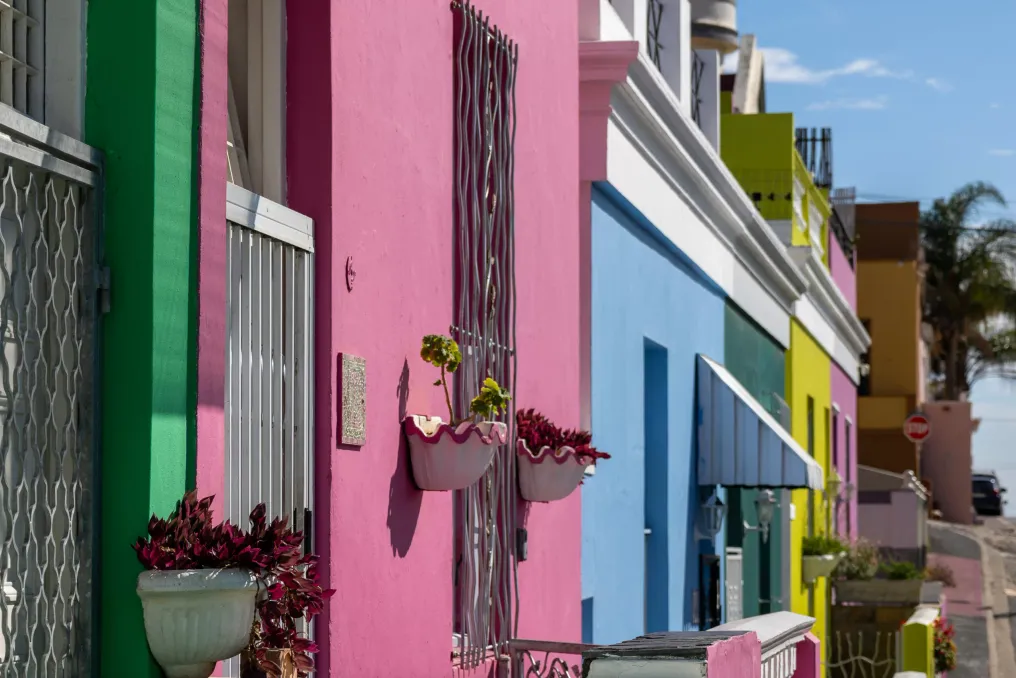
One of the places most associated with color is Bo-Kaap. Located on the slopes of Signal Hill, this neighborhood with its brightly colored houses has become one of Cape Town's most recognizable landmarks. However, its significance extends far beyond cheerful facades. Bo-Kaap originated in the 1760s as a settlement for slaves and political refugees brought to Cape by the Dutch East India Company from Indonesia, Malaysia, India, and East Africa. After emancipation in 1834, many residents acquired homes and, according to local tradition, began painting their houses in bold colors as a sign of freedom and individuality. Today, Bo-Kaap remains a spiritual center of Cape Muslim culture and is home to several of the country's oldest mosques.

In some parts of Mpumalanga, color serves as a living form of narrative. Stunning geometric murals adorning the traditional homes of the Ndebele people are created by women who pass down artistic traditions from generation to generation. Using bright blue, red, yellow, green, and black outlines, each house becomes a reflection of family identity, creativity, and cultural pride. This tradition gained even greater significance in the 20th century when decorative painting became a powerful symbol of resistance and cultural preservation during times of political oppression. Visitors can also admire the intricate beadwork, which is another distinctive feature of Ndebele craftsmanship.

The vibrancy of South Africa is not limited to painted streets. In Blyde River Canyon, nature has created a masterpiece over millions of years. As one of the world's largest green canyons, Blyde River Canyon is famous for its dense subtropical vegetation, high sandstone cliffs, and winding river below. The combination of lush greenery, reddish rocks, and blue water forms an unforgettable landscape. The canyon is part of the Drakensberg Escarpment and was carved by the Blyde River over millions of years. Today, it is located in the Blyde River Canyon Nature Reserve, known for its exceptional biodiversity and panoramic views, including Three Rondavels and Bourke's Luck Potholes.

In Namaqualand, most of the year seems quiet and modest, but with the arrival of spring, the landscape transforms into one of the world's most spectacular floral displays. After good winter rains, millions of native daisies and flowering succulents cover the region in vibrant shades of orange, yellow, white, pink, and purple. The annual bloom is one of South Africa's most anticipated natural events and attracts tourists from all over the world. Namaqualand is part of the Succulent Karoo, one of the few global hotspots of arid biodiversity where thousands of plant species are found nowhere else.

Not far from Durban, the Valley of a Thousand Hills offers a different vision of color. Here, countless shades of green ripple across hills formed by the Mngeni River, creating one of KwaZulu-Natal's most picturesque landscapes. The valley has long been home to Zulu communities, and many cultural events in the region allow guests to learn more about local traditions, music, dances, and crafts. Scenic drives reveal dramatic vistas, while reserves and hiking trails showcase the region's rich biodiversity.

Color in Kalk Bay stems from the sea. Brightly colored fishing boats, weathered pier walls, lively seals, and colorful storefronts create one of Cape Town's most charming coastal scenes. Despite growing popularity among visitors, the village remains an active fishing port, where the day's catch continues to dictate daily life. Founded in the nineteenth century, Kalk Bay developed as a thriving fishing community and later became known for its eclectic mix of artists, independent shops, and seaside restaurants.

The blooming beach huts along False Bay have become one of South Africa's most photographed coastal attractions. Originally built as Victorian bathing boxes in the early twentieth century, these structures remain closely linked to Muizenberg's rich heritage of surfing and seaside recreation. Situated against a backdrop of wide sandy beaches and calm waters, they continue to welcome everyone from beginner surfers to photographers seeking to capture the morning hues.

Every spring, Pretoria undergoes an impressive transformation as thousands of jacaranda trees blossom. The purple canopy has given the capital the nickname 'Jacaranda City'. Although these trees were introduced from South America in the late nineteenth century, they have become an integral part of Pretoria's identity, attracting visitors every October to admire the lavender-filled avenues. Areas such as Brooklyn, Arcadia, and Groenkloof, as well as the Union Buildings gardens, offer some of the city's best displays.

The diversity of South Africa's colorful destinations shows that splendor manifests in many forms: sometimes hidden in the painted walls of a historic district, sometimes in age-old cultural traditions, and sometimes in landscapes that bloom for only a few weeks. Whether you are planning a road trip across the country or simply looking for a new place to explore, these destinations invite you to slow down, learn their stories, and experience the vibrant culture and natural wonders that make South Africa one of the most rewarding places to travel in the world.

Popular