Residents of Manenberg are shocked by the escalation of gang violence as shootings continue within the community. Security structures in Manenberg assert that the alleged ongoing war between rival gangs fuels a cycle of bloodshed and loss of life, but they believe the violence is rooted in deeper systemic failures and the legacy of apartheid-era spatial planning.
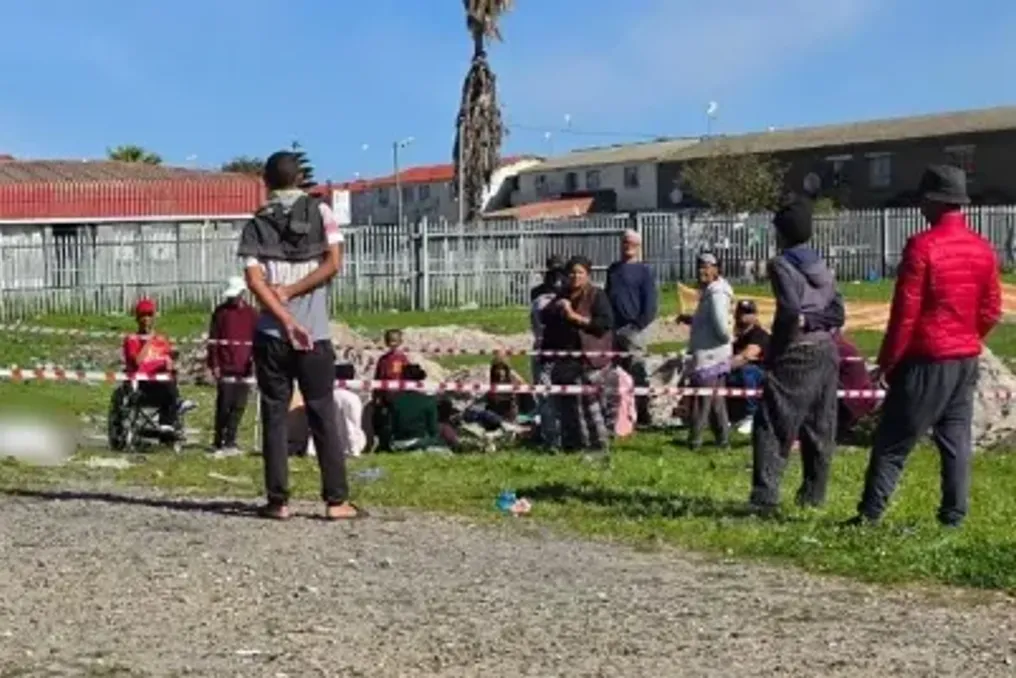
On Thursday morning, residents were alarmed after numerous shots rang out in the community while students were heading to school and people were going to work. The latest incident occurred a day after a 25-year-old man was shot in broad daylight at The Greens sports field on Wednesday.
Tembakazi Mpendukana, a representative of the provincial police, confirmed that an investigation into the murder is underway. Mpendukana stated: 'A criminal case has been opened by SAPS Manenberg regarding the shooting that took place at the sports field around 12:00 today (2026-08-19). The victim, a 25-year-old man, was pronounced dead at the scene; the investigation is ongoing, and no arrests have been made.'
A member of the non-profit organization Proudly Manenberg, a civil society organization from Cape Flats, who asked to remain anonymous, reported that two gang conflicts are currently unfolding in Manenberg, involving the gangs Hard Living (HLs), Clever Kids, and Fancy Boys.
However, the source emphasized that the violence goes beyond rivalry between gangs and is fueled by long-standing socio-economic issues. The member explained: 'What they are fighting over is unclear to anyone. The rivalry between HLS and Clever Kids has been going on for many years. This fight is deeper than just territory. Historical hatred is cultivated among young people so that they kill their opponents.'
He added that they use the murders of family members of deceased gang members to instill hatred in young men and encourage them to become shooters. But the real problem lies in the apartheid-era spatial planning, where our people live on top of each other. Perhaps, if we are lucky, one child out of thirty will go through a normal developmental phase.'
Youth support structures are largely destroyed due to overcrowding, drug abuse, economic constraints, and a community that the government does not allow to act autonomously. When the community wants to take the initiative or implement any social programs, they are confronted with regulations concerning all economic activities.
Thus, the gang violence or war occurs against the backdrop of these systemic, economic, and structural failures.