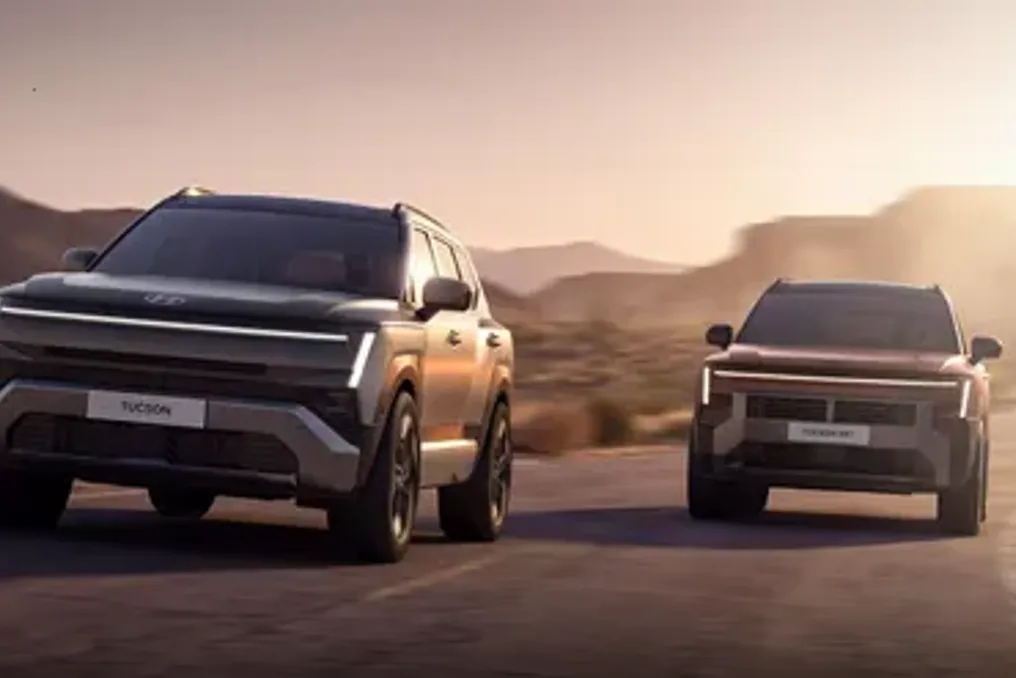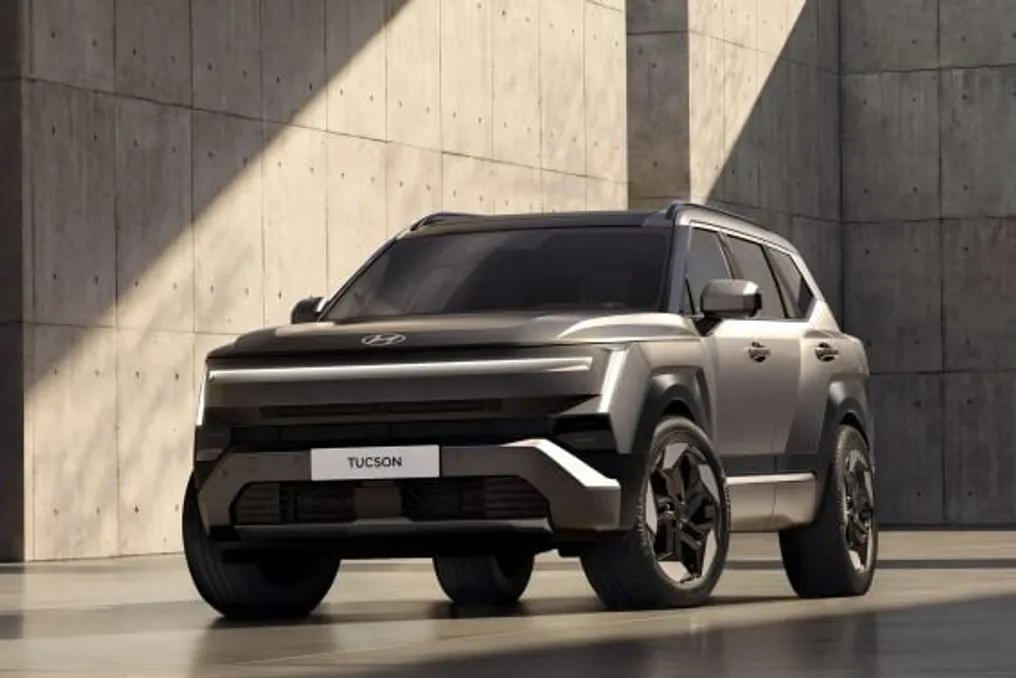
Hyundai presented the fifth generation of the Tucson on Wednesday, the 19th, in South Korea, an SUV that features a drastic visual transformation. Instead of the smooth curves of the previous model, the automaker implemented straight lines, more robust fenders, and vertical lighting signatures, all integrated into its new design identity called 'Art of Steel'. Although the vehicle has increased in all its measurements, the manufacturer opted not to disclose details about the mechanical aspects.
This aesthetic change has generated divided opinions among enthusiasts, following a pattern seen in other recent launches by the South Korean company, such as the Santa Fe. By opting for a more angular format, Hyundai aligns itself with a growing trend among SUVs from different brands, taking a different risk than competitors who tend to be more conservative.
At the front, the design features vertical daytime running lights, known as the 'H-edge', which frame a horizontal light bar. This bar uses indirect lighting to ensure a soft glow. The sides have been enhanced with sculpted fenders and deep horizontal creases, creating a dynamic effect of light and shadow along the doors. At the rear, the taillights have three-dimensional prism-structured lenses, complemented by vertical elements located at the bottom of the bumper and a visible skid plate.
The new dimensions of the Tucson are 4.70 meters in length (an increase of 6 cm compared to the current model), 1.90 meters in width (4 cm more), and 1.68 meters in height. The wheelbase was increased by 3 cm, reaching 2.78 meters. In practice, the internal space of the second row increased by 2.9 cm, reaching 1.03 meters. Furthermore, the rear doors now open at an angle of 83 degrees, surpassing the predecessor's 73 degrees, which significantly improves ease of access.
Inside, the dashboard adopts a horizontal arrangement, presenting a floating upper section separated by continuous air vents. A large central display houses the multimedia system, and the steering wheel has a flattened rim both on the top and bottom to optimize instrument panel visibility. Internal features include a dual wireless charger, a card holder positioned near the driver's vent, and a hidden storage compartment. Eight external color options and four internal trim configurations are available.
The return of the XRT version has been confirmed, featuring specific characteristics such as a rectangular grille, a wider front skid plate, textured black moldings on the fenders simulating carbon fiber, as well as exclusive rear bumpers and wheels, and an integrated LED light in the trunk lid. However, Hyundai kept crucial information for drivers secret, such as power, engine specifications, and possible hybrid systems. Sales will begin in South Korea this year, while the version destined for the North American market is expected to have its details revealed in September.
In Brazil, consumers are watching the launch from afar. The Tucson stopped being manufactured in the country in April 2025, after the end of the collaboration between Hyundai and CAOA Group, and was removed from the national catalog in 2026 when final stocks were depleted. Currently, there are no official communications regarding the arrival of this new generation in Brazilian territory.