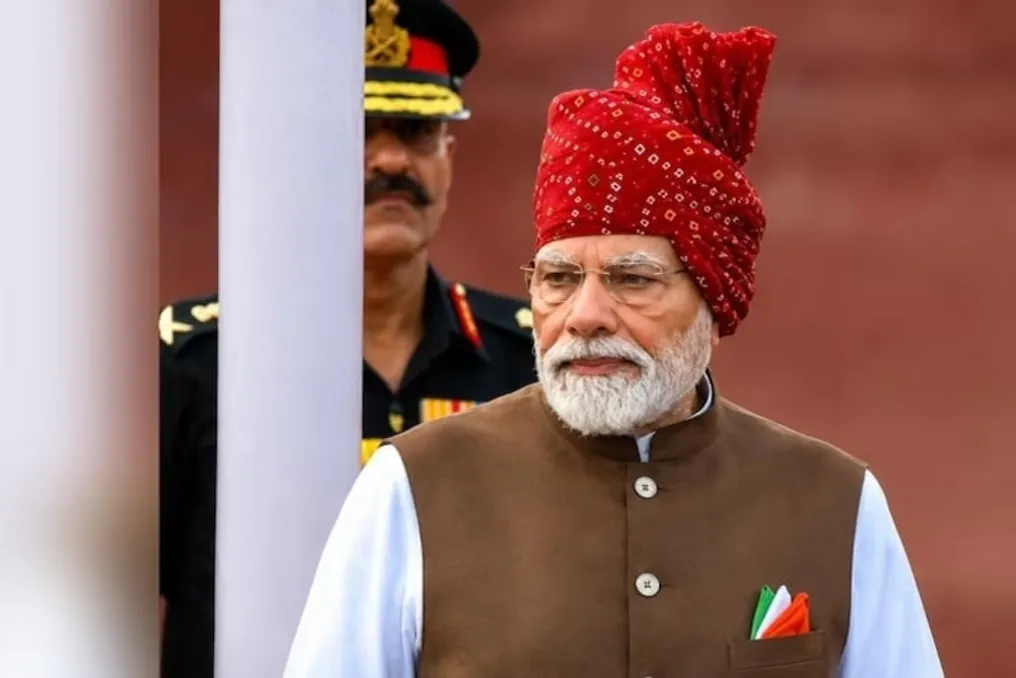
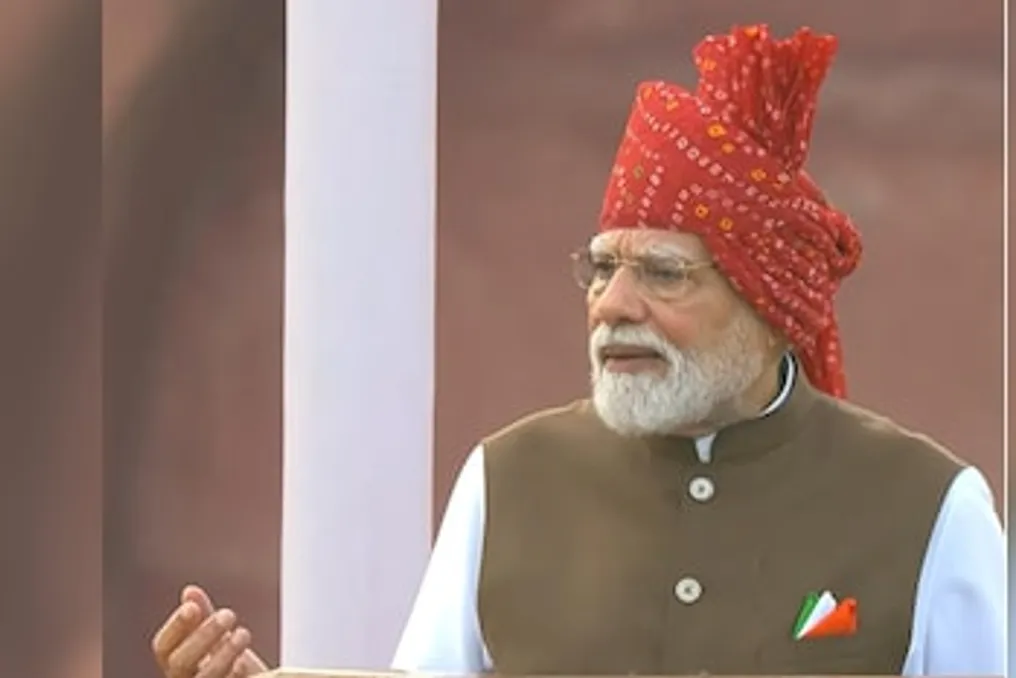
During his address on Red Square for Independence Day, Prime Minister Narendra Modi presented a plan covering seven vital areas for the country's development. He termed these sectors the 'Seven Streams of Power' (Shakti ki Saptadhara), emphasizing that concentrating efforts on them will help India become a self-reliant and developed power, which in turn could lead to new employment opportunities in the country.
The first of these seven priority areas is the manufacturing industry. Modi called it the engine of India's future development and noted the necessity of producing both components and finished goods. He urged manufacturers to focus on reducing costs, improving quality, and increasing production volumes to compete better in the global market. In terms of employment, this means increased demand for factory workers, logistics specialists, engineers, designers, quality control personnel, and skilled laborers.
The second sector is agriculture and food processing. The Prime Minister proposed exporting traditional food products such as bajra, spices, fruits, and vegetables to international markets. This will not only support farming but also create new jobs in food processing, packaging, goods transportation, exports, and agritechnology.
The third area is technology and innovation. Here, Modi mentioned data centers, robotics, and breakthrough technologies. He stated the goal of making India a hub for these technologies and taking the 'Made in India 6G' initiative to the global level.
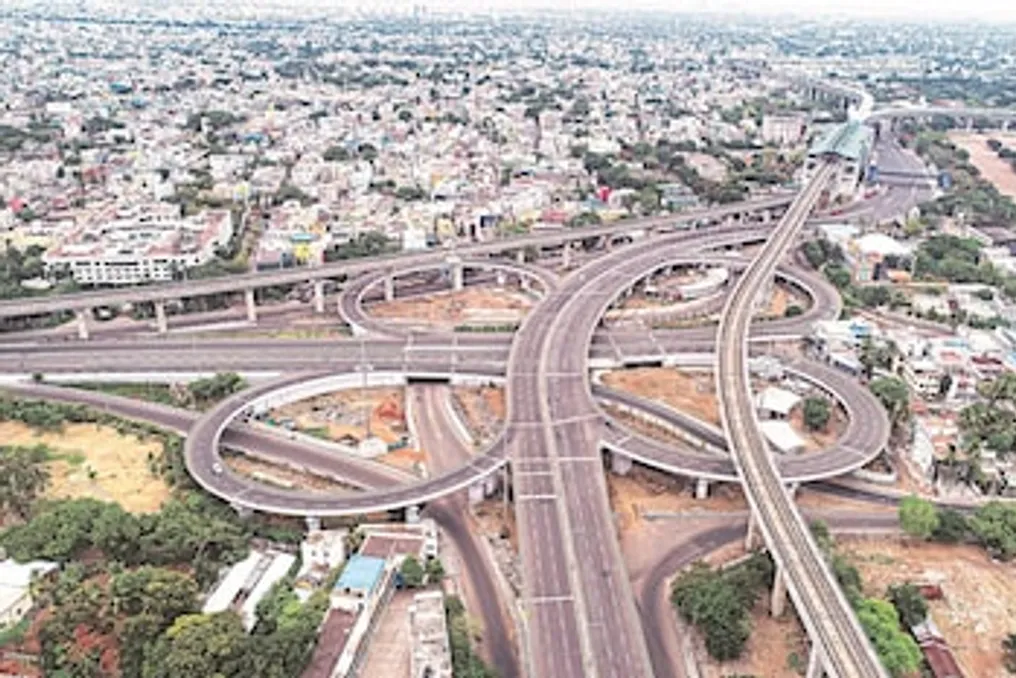
The fourth key direction is the development of connectivity and basic infrastructure. The Prime Minister emphasized ensuring faster and higher-quality communication through the construction of expressways, high-speed railways, and ports. This, in turn, will open up new employment opportunities in construction, logistics, engineering, transport, and related industries.
Under the 'Defence Power Planning' (Raksha Shakti Yojana), Modi also stressed the need to localize the production of defense equipment and achieve self-sufficiency in this field. Special attention was given to drones and anti-drone technologies. He expressed the view that in the future, India should become a major supplier of defense equipment to the entire world.
The sixth stream includes the green and blue economies. The green economy refers to the development of green hydrogen, solar energy, and energy storage technologies. Modi insisted on promoting these areas. Concurrently, under the blue economy, he spoke about supporting fishing, marine activities, coastal tourism, and maritime technologies, which can stimulate the emergence of new enterprises and jobs in these fields.
The seventh and final direction is India's soft power. This sector includes areas such as yoga and handicrafts, as well as the film, animation, gaming, and digital content industries. As global demand for creative and digital products grows, this sector can provide new opportunities for artists, designers, developers, and people involved in tourism.
Thus, Modi's 'Seven Streams of Power' cover a wide range of areas—from manufacturing capabilities and agriculture to artificial intelligence, defense, clean energy, and animation—which can play a decisive role in India's economic growth and increased employment in the near future.