Residents of the village of Oro, among whom were patients, were part of the 308 people rescued from suspected jihadist captivity in the forests of Kainji Lake National Park, according to Nigerian government data. This marked the end of one of the region's most severe mass abductions.
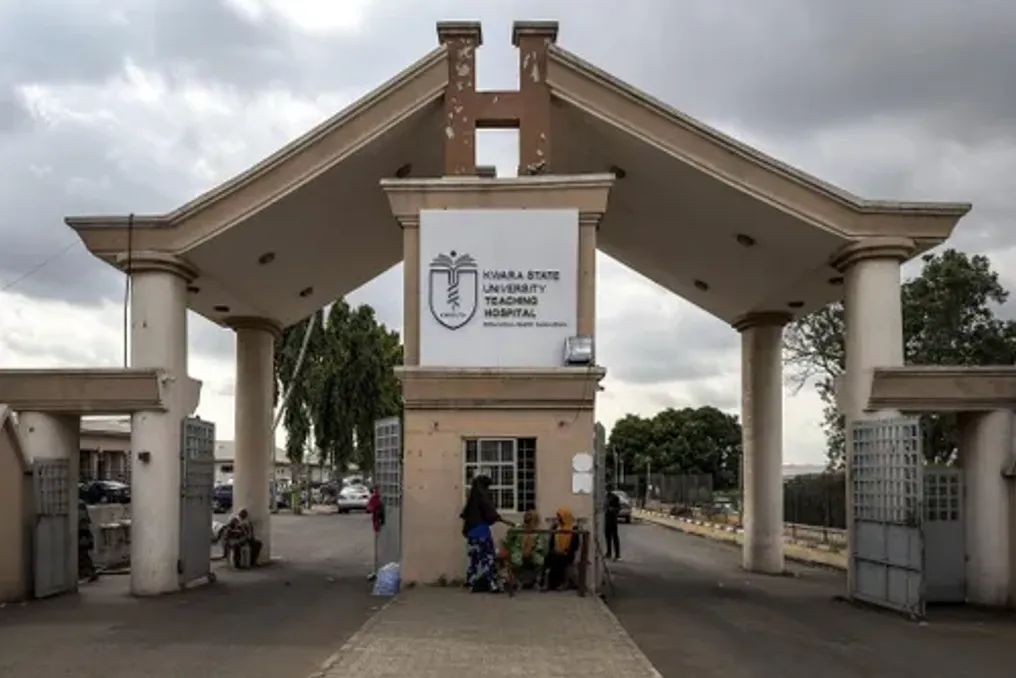
These patients, including weak and malnourished children and women, were at Kwara State University Hospital in Ilorin, Nigeria. Their bodies showed signs of six months of confinement in rural Nigeria. They were part of a group of 163 kidnapping victims released this month following an attack on their village of Oro by suspected jihadists.
As part of an operation the government called the largest rescue operation in a single day, about 308 people were freed. However, at Kwara State University Hospital in Ilorin, they faced a long road to recovery.
The hospital environment was critical: one child was connected to a ventilator under a blue blanket, surrounded by doctors and nurses. A crying girl, no older than six, sat alone awaiting a family visit. A nurse holding the small hand of a boy of about four reported that 'they are all responding to treatment,' adding that some still required blood.
The suspected jihadists attacked Oro, located near the border with Benin, in February, killing at least 165 people and abducting many others. Kidnappings have become a primary source of income for criminal groups in Nigeria, especially among jihadists and non-ideological bandit groups in the north and central parts of the country.
The victims were held in a camp along with more than 100 other people abducted from other villages, including Kasuwan Daji and Konkoso, both located in Niger State. The head of Oro village, Umar Bio Salihu, reported that thirteen people from Oro died in captivity, and another 13 remain captive.
Interviews with the victims in the hospital were brief, as officials repeatedly redirected journalists between different offices to obtain permissions. The government presented the rescue of Oro residents as a major success of its campaign. Nevertheless, the country faces a crisis as kidnappings have become so widespread across the nation that they have turned into a multi-million dollar industry, according to the Lagos-based consulting firm SBM Intelligence.
One emaciated victim, Hajara, expressed gratitude: 'We praise God that we got out. I do not wish this even upon my enemies. It was like returning from hellfire.'
During their detention, they were fed tuwo, a thick porridge-like dish made from millet, and 'soup' made from a mixture of river water and salt. Occasionally, if they were lucky, the kidnappers provided them with spices. They were periodically given beef, presumably stolen livestock.
The hospital's chief medical director, Ahmed Bola Abdulkadir, noted: 'When they arrived, they were in very bad condition... severe malnutrition, many skin diseases, some had fractures, some mothers had just given birth,' adding that many required help with 'psychological trauma.'
Nurse Amira Salihu, 25, whose two brothers died during the February attack, recounted that those who used the toilet without permission from guards were beaten.
The daughter of the head of Oro village shared her horrific experience with AFP from a police-guarded hotel where some of the released captives stayed. Amira Salihu reported that over a dozen women gave birth during captivity. She helped deliver infants with bare hands, using flashlights as the only source of light. 'I borrowed a razor blade to cut the placenta,' she said.
In the hotel, dozens of victims, mostly young children, gathered noisily around plastic tables in the dining hall. Umar Bio Salihu, the village head, expressed joy: 'I am happy to see them like this.' He travels between Oro and Ilorin, located about 200 kilometers away, to check on the condition of the victims while they recover under government supervision in the state capital.
Despite the scale of the tragedy, Oro is reviving: resident Isa Mogaji noted that the village market is operating at full capacity. Village head Salihu concluded: 'The community is very happy right now. They are waiting for the return of their people.'