In a press conference, the spokesperson for China's Ministry of Commerce, He Yadong, denounced the new American tariffs, classifying them as examples of 'protectionism and unilateralism applied under the pretext of national security.'
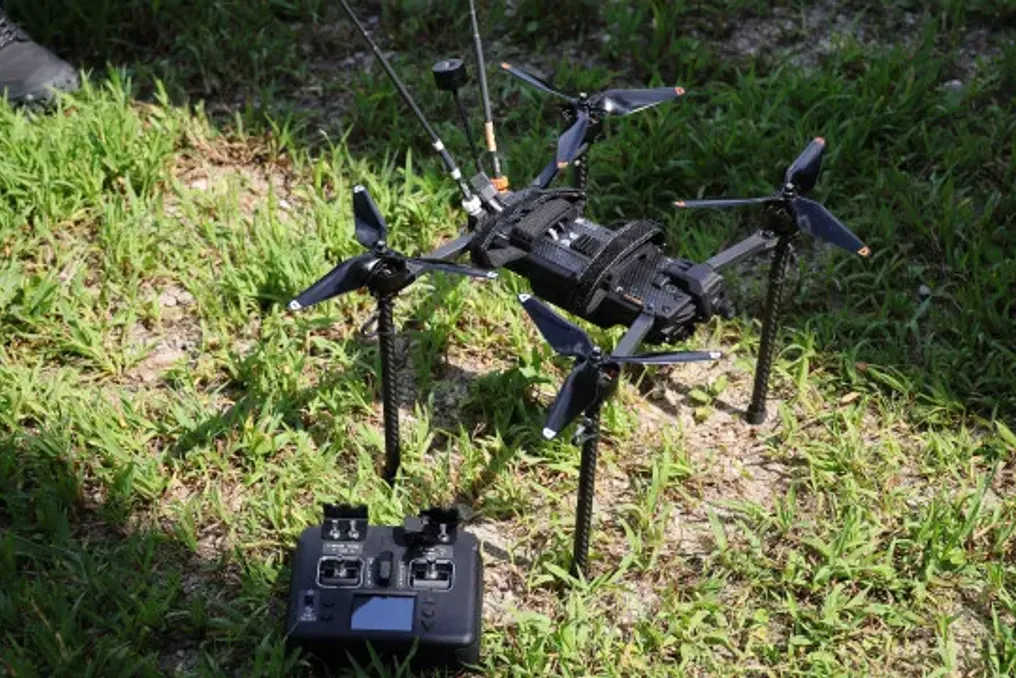
He Yadong emphasized that Chinese drone exports to the United States are mainly intended for civil uses, covering areas such as agriculture, equipment inspection, and the audiovisual and entertainment segments.
The spokesperson criticized the North American actions, stating that they 'excessively generalize the concept of national security, discriminate against the Chinese products in question, seriously harm the interests of Chinese companies, disrupt the global drone supply chain, and further erode a fair and competitive market environment,' and called on the United States to immediately revoke such measures.
Although the decision was announced by the White House on Thursday without directly mentioning China, it impacts the country due to the sector dominated by the Chinese company DJI.
Washington established a 100% duty for unmanned aircraft exceeding 25 kg maximum takeoff weight and models equipped with thermal detection capabilities. Smaller drones, without these functionalities or specific components, are subject to a 25% rate, while countries like the European Union and Japan have reduced tariff lists.
The White House justified the measure as an effort to reduce US dependence on foreign suppliers of essential components for unmanned aerial systems and to strengthen domestic production. Furthermore, the Trump Administration alleged risks related to security and cybersecurity arising from international supply chains.
China also refuted an American report accusing it of using cargo transshipment in other nations to evade customs duties, considering this document a 'false narrative.' He Yadong declared during the conference that the material released by the White House a week ago 'ignores facts and distorts reality by labeling normal international trade and investment as fraud.'
According to the spokesperson, this practice constitutes an act 'typical of unilateralism and protectionism,' aiming to 'suppress and block Chinese products,' which China vehemently rejected. The report, titled 'Mass Transshipment Fraud: Origin, Scope, and Cost,' imputed responsibility to Beijing for millions in losses and job losses in Washington through these tactics.
He argued that, conversely, 'the high differentiated customs duties imposed by the United States are the real cause threatening the security of global supply chains.' The Ministry of Commerce spokesperson concluded by accusing the United States of 'attributing its own economic problems to external factors' and demanding an immediate end to these allegations, which he deemed 'irresponsible.'