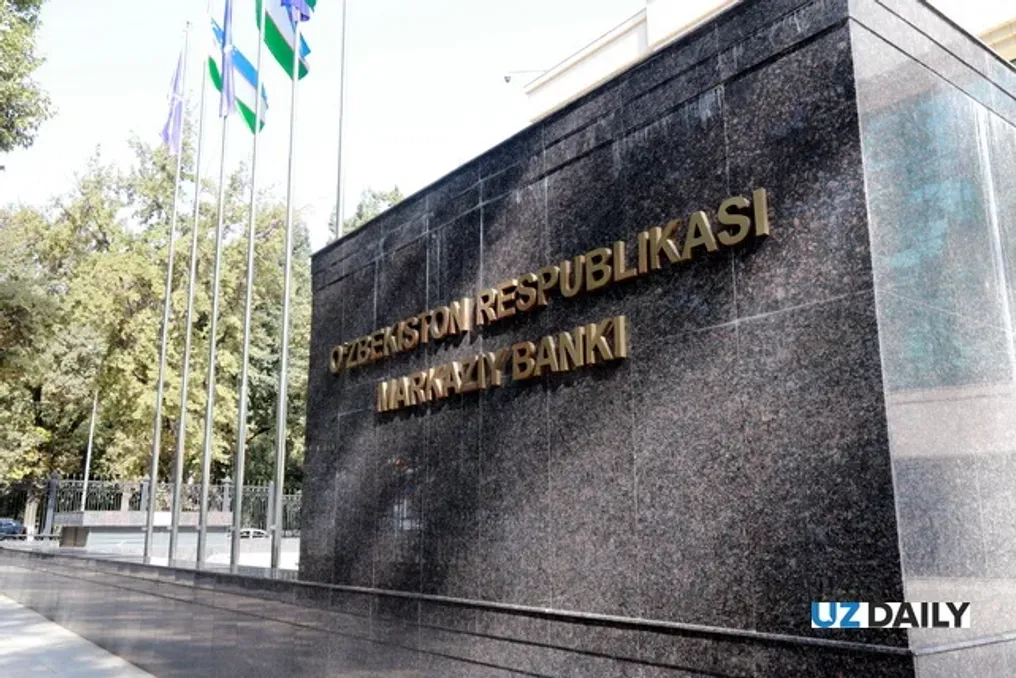
Central Bank of Uzbekistan reports that only 4% of the adult population holds savings deposits
Read more
UzDaily
uzdaily.uz

Central Bank of Uzbekistan reports that only 4% of the adult population holds savings deposits

According to data from the Central Bank of Uzbekistan's pilot financial accessibility index, only 4 percent of adults in Uzbekistan use savings or term deposits, despite the widespread availability of basic banking services.

The regulator noted that although 86 percent of the adult population has basic bank accounts, there is a significant gap between general account ownership and the actual use of funds for savings. This gap is identified as a key priority for the structural development of the domestic financial sector.

Significant regional differences were identified: in rural areas, the share of residents using savings or term deposits is only 1 percent, which is four times lower than the national average. Furthermore, women show a higher uptake of savings products—6 percent, compared to the national average of 4 percent.

Among those who have opened such accounts, the usage rate remains high: about 66 percent of existing deposit accounts are active, meaning more than three transactions have been made in the last 12 months. The Central Bank emphasized that the high activity among current account holders indicates that the main obstacle is not an unwillingness to save, but rather limited access and awareness of suitable financial instruments.

The overall accessibility of savings products was rated at 56 out of 100, which is the lowest result among the three assessed categories of financial products. These figures lag behind payment services (69 points) and credit products (64 points). To address this deficit, the Central Bank intends to focus on developing simple and flexible tools for accumulating small amounts.


Similar stories

The gap in banking services between urban and rural areas of Uzbekistan is most noticeable at the account opening stage
Read more
uzdaily.uz

The gap in banking services between urban and rural areas of Uzbekistan is most noticeable at the account opening stage

According to the Central Bank of Uzbekistan's pilot index of financial accessibility, the main discrepancy in financial integration in Uzbekistan manifests at the initial stage of interaction with the banking system. Furthermore, only 21% of the adult rural population holds a bank account, which is significantly lower than the national average of 86%.

The overall financial accessibility indicator for rural and remote areas was 49 out of 100 points. In addition to a 65 percentage point gap in basic account ownership, rural residents use savings products less frequently. Only 1% of rural residents have a savings or term deposit, compared to the national average of 4%.

Nevertheless, the Central Bank noted that the level of activity among those who already have accounts in rural areas is comparable to national data. Inactive bank accounts account for 32% of the total number of accounts among the rural population, which is slightly lower than the national average of 34%. This indicates that after gaining access to financial services, rural residents use them at a level comparable to urban residents.

A similar trend was observed in the small and medium-sized enterprise (SME) sector, where credit accessibility for rural enterprises met or exceeded national average indicators across several criteria. The regulator concluded that the main problem in rural areas lies in initial access to financial services, not in their utilization.

To eliminate this inequality, the Central Bank has identified priority areas, which include expanding basic account ownership and daily financial channels for rural residents, as well as improving the quality of services and digital access for rural enterprises.

Nearly a third of Uzbekistan's borrowers have multiple active bank loans
Read more
uzdaily.uz

Nearly a third of Uzbekistan's borrowers have multiple active bank loans

According to data from the Central Bank of Uzbekistan's pilot financial accessibility index, about a third of borrowers in Uzbekistan have more than one active bank loan, with the average number of active loans per borrower being 1.7.

The report highlights that access to credit products is well developed: credit bureau records cover 98 percent of the adult population, and 80 percent of new retail loans are processed through automated credit channels.

Overall, 20 percent of adults have an active bank credit account, and another 7 percent use loans from microfinance organizations.

Key findings of the report

The Central Bank noted that 29 percent of individual borrowers currently service several active loans. While this trend indicates an expansion of access to credit, it also points to a gradual increase in debt obligations among clients already participating in the credit system.

The retail credit usage index received a score of 47 out of 100, while the credit availability indicator scored 64 points.

As retail lending continues to grow, the Central Bank emphasized the need to create tools to monitor overall debt burden, ensure timely data exchange between creditors, and enable early detection of repayment difficulties. The regulator also presented plans to transition from loan approval decisions based on stop factors to risk-oriented scoring models that include additional and alternative information.

Popular