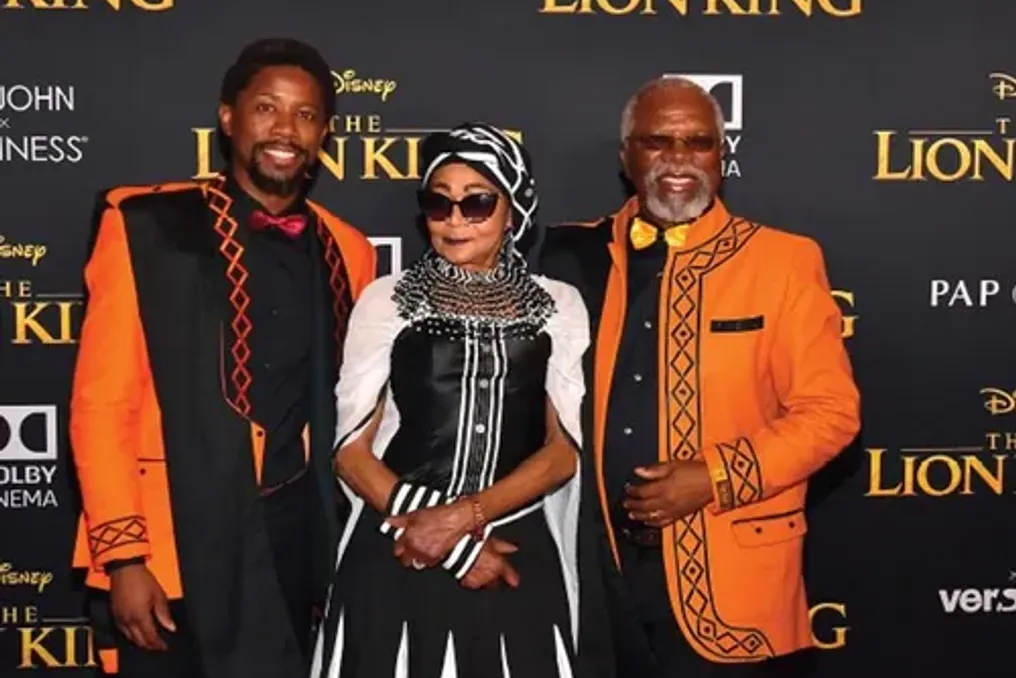
In recognition of Dr. John Kani's significant contributions, the Apartheid Museum is organizing a major exhibition. This exposition will be dedicated to his distinguished career on stage and screen, spanning six decades, tracing his journey from the rehearsal rooms of Port Elizabeth to the heights of Hollywood.
The exhibition will run from August 30 to November 30, 2026, presenting dynamic images, texts, artifacts, and film materials that illustrate the powerful ideas that occupied Dr. Kani both on and off stage, shaping his vision as a cultural leader and mentor.
For over a quarter of a century, Dr. Kani played a key role in shaping the direction of the Apartheid Museum, whose core mission closely mirrors the themes of his own seminal plays. His leadership as Chairman of the Board of Trustees developed in parallel with his emergence as a playwright, through which the seasoned actor began to raise complex questions about the shortcomings of democracy and reconciliation in a deeply unequal society.
Born in New Brighton, Gqeberha, in 1943, Dr. Kani was already engaged in acting during his school years. However, his approach to art transformed after meeting the Serpent Players group in 1965. This amateur group, founded in New Brighton in the early 1960s, soon began collaborating with the renowned playwright Athol Fugard, who considered them his greatest creative challenge alongside working with Barney Simon.
The group moved away from classical works, enriching its repertoire with personal experience, especially after the arrest of fellow actor Norman Ntshingi in 1965. Ntshingi's arrest just before the staging of Sophocles' Antigone profoundly influenced Dr. Kani, Winston Ntshona, and Fugard as they worked on their iconic two-act play 'Island' shortly before it won Britain in 1973. Their historical success brought international fame to Dr. Kani and Ntshona, making them cornerstones in the development of international protest theatre.
Beyond artistic achievements, Dr. Kani held important administrative positions within South Africa's cultural landscape. He served as the founder of the National Arts Council from 1996 to 2004 and made significant contributions to the work of the Market Theatre Laboratory.
His constant dedication to the Apartheid Museum reflects a firm belief that the development of a prosperous post-apartheid nation requires unwavering vigilance and commitment. In a context where the national project faces considerable challenges, Dr. Kani served as an example in empowering actors across all disciplines, constantly striving to create strong local industries so that South Africans would not have to rely solely on Hollywood to tell their story.
The exhibition 'John Kani: A Living Legend' is a deeply moving retrospective dedicated to a man who fought, often at great personal cost, to ensure the vital importance of the performing arts in addressing contemporary social issues. The Apartheid Museum, recognized globally as a leading institution documenting the rise and fall of 20th-century apartheid, invites the public to attend this tribute from Wednesday to Sunday and on public holidays from 09:00 to 17:00.