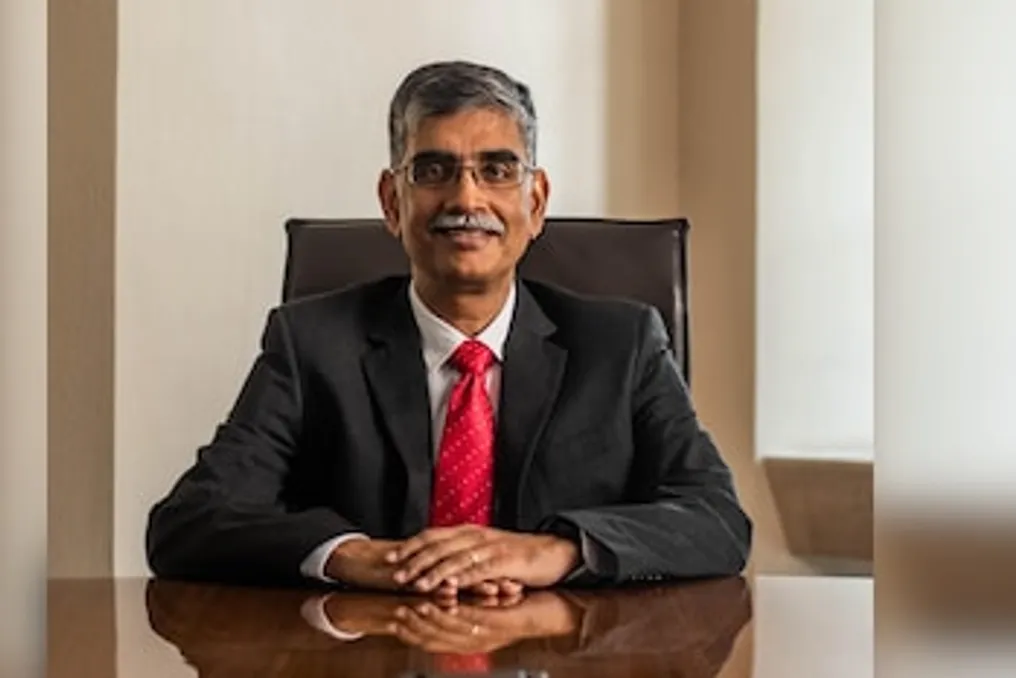
MD and CEO of Tata Consumer Products Ltd (TCPL), Sunil D'Souza, stated that the company expects to maintain double-digit revenue growth in the fiscal year 2027. This growth will be driven by sustained consumer demand, volume-based expansion, and the continuing momentum from fast-growing food and beverage segments.
The company, a major player in the Tata Group's FMCG sector, reported a 12% revenue increase, a 19% rise in EBITDA, and a 29% growth in net profit in the June quarter. D'Souza noted that if high costs for raw materials, packaging, and energy persist, 'calibrated' price increases may be implemented in certain product categories.
D'Souza emphasized the expectation of maintaining a healthy consumption level. He pointed out that most of the growth is volume-driven across all categories, indicating underlying consumer demand. According to him, the recent demand recovery has been supported by measures such as income tax reduction, GST recalibration, and continuous government capital expenditure.
He also commented on the overall trend in the FMCG sector, calling it encouraging as most major players are demonstrating good revenue growth, with this growth being based on increased base consumption rather than solely on prices. D'Souza added that volume-driven growth is fundamental, whereas price-driven growth is temporary.
Regarding the tea and packaged beverages business, he reported that despite a 4% revenue decline due to lower tea prices, this segment showed a 2% volume growth. The company is confident in its ability to sustain double-digit revenue growth while improving profitability through premiumization, innovation, and economies of scale.
TCPL's business verticals, including Tata Sampann, Capital Foods, Organic India, Soulfull, and ready-to-drink beverages, demonstrated approximately 47% growth in the June quarter and now account for nearly 30% of the business in India. D'Souza forecasts that this pace could continue for some time, potentially reaching around 45% over the next three to four years.
The company anticipates that these faster-growing segments will benefit from consumer trends such as health consciousness, convenience, and digital commerce. Concerning raw material inflation, D'Souza noted that TCPL has refrained from widespread price hikes despite pressure from rising prices for tea, coffee, edible oil, packaging, and fuel. In the last quarter, only the increase in packaging and fuel costs impacted the business by about 50 basis points.
When discussing pricing policy, he clarified that price increases would depend on the category, input costs, and market conditions. For instance, for salt, TCPL has already raised the price by 2 rupees per pack, increasing it from 30 to 32 rupees, attributed to rising coal imports, energy expenses, and currency fluctuations. In tea, the company has also begun selective price increases as tea prices have risen by 7-10% in recent months. D'Souza stressed that the pricing strategy aims to maintain profitability without placing an excessive burden on consumers.
Regarding competition from regional and local brands, D'Souza acknowledged that such competition exists in most FMCG categories; however, TCPL's strategy is to maintain price competitiveness while differentiating through product quality and distribution reach. Concerning Tata Sampann, he stated that the company's growth strategy focuses on gaining market share from regional players through superior quality, stronger consumer offerings, and wider availability.
In conclusion, D'Souza identified persistently high oil prices as the biggest risk to the current recovery in consumer demand, warning that the only negative factor would be the persistence of high oil prices without any possibility of compensation.