A recent outbreak of a mysterious disease has led to the death of at least 19 elephants in southern Kenya since June. The animals exhibit identical symptoms, including partial paralysis, and die slowly, sometimes over several days.
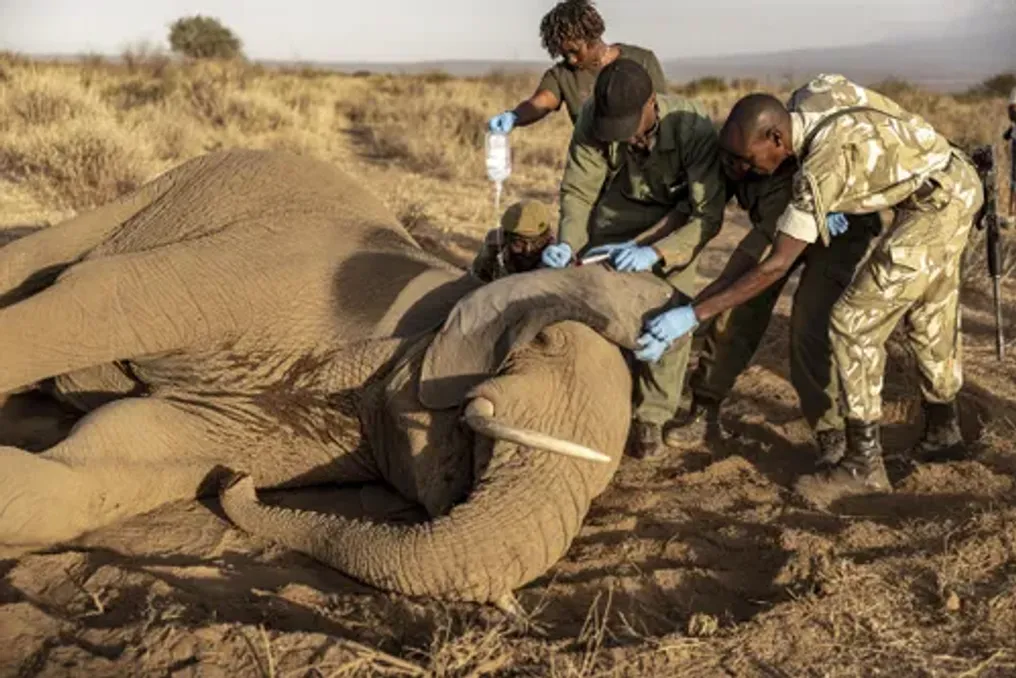
This situation, which is causing serious concern in a country where tourism is a vital source of income, has led specialists and local residents to disagree on the cause of the deaths. Specifically, in the Kitenden B reserve, where an 11-year-old male named Genghis Khan was found, veterinarians administered glucose as the primary cause of the illness remains unknown.
At the end of July, the Kenya Wildlife Service (KWS) reported that toxicological analyses of the carcasses revealed high concentrations of cyanide, which could indicate poisoning from pesticides from neighboring farms. However, many experts reject the poisoning theory.
Patrick Papatiti, head of Olgulului land operations, insists that it is a disease, arguing that there is 'no possibility' of cyanide involvement. He is one of the few local voices publicly challenging the preliminary findings of KWS, pointing out that no other animals have died.
Joel Nyiika, Amboseli ecosystem manager for the Kakijado district authorities, also refutes this theory. He notes that scavengers or flies feeding on the supposedly poisoned carcasses did not die, which, in his opinion, rules out chemical exposure. He also dismisses the KWS version that cyanide could have entered through foliage, as domestic livestock would also be affected.
As wildlife managers, they believe the cause may be a disease affecting only these elephants. Meanwhile, on August 7, KWS stated that their data currently does not suggest a contagious or transmissible disease, reassuring tourists.
Despite KWS statements, AFP journalists saw six carcasses in the Kimana reserve on Wednesday—some fresh, others older—and observers noted partial paralysis hindering the animals from standing. Local farmers, such as 52-year-old Noah Saatia, also rejected the possibility of poisoning, as they consume the same food, and expressed anger over the animal deaths.
Conservationist Paula Kahumbu from Wildlife Direct emphasized the 'lack of evidence' supporting the pesticide theory. She noted that few adult males have died, even though they are the most likely to raid crops. Papatiti also dismissed the idea of deliberate poisoning, insisting that the priority should be determining the cause rather than finding culprits.
The situation has caused anxiety within the wildlife community; several conservation organizations declined to comment, aside from calling for a full investigation. Papatiti fears that the number of deaths is underestimated and that the disease could affect elephants in neighboring Tanzania. He asks: 'How many elephants will die before we can stop it?'