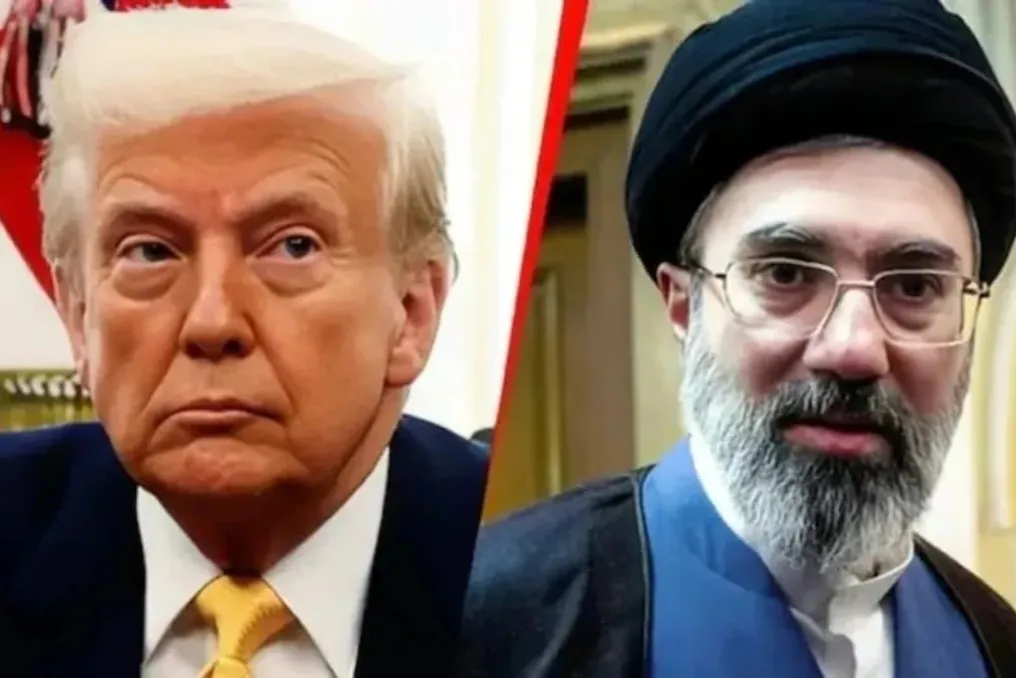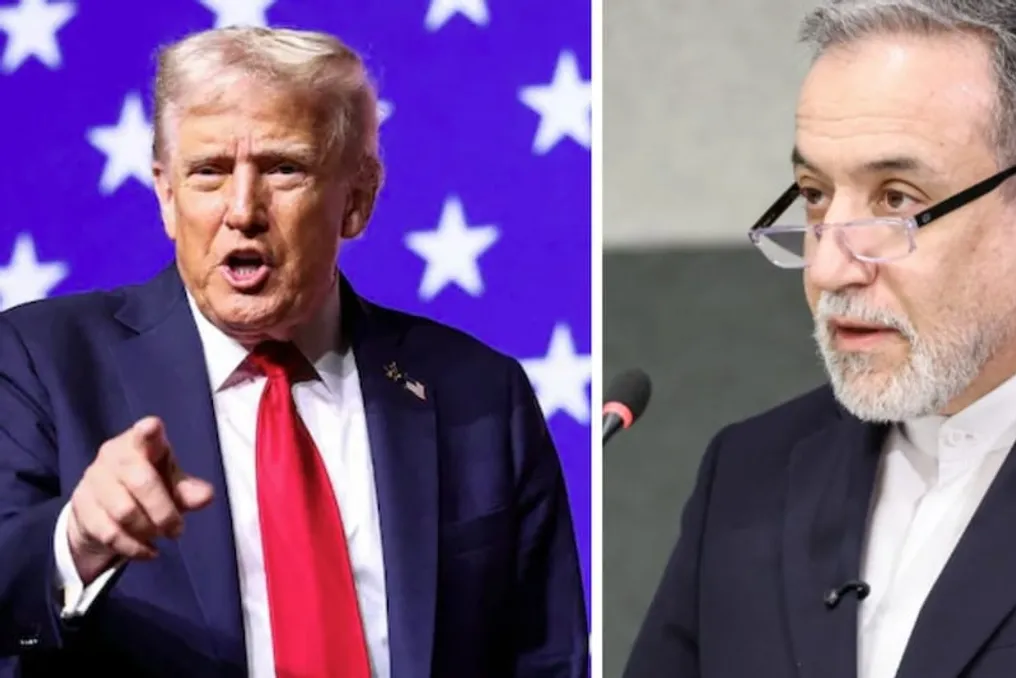
US President Donald Trump announced the most extensive economic measure against Iran, issuing a stern warning. He stated that any country providing Iran with economic aid or any support would face serious financial consequences. Trump termed this campaign 'Economic D-Day' and mentioned his intention to isolate Iran.
Iran's Foreign Minister Abbas Araghchi reacted to this warning, criticizing the US position. Publishing a message on social media, Araghchi asserted that 'Economic D-Day' is an attempt to distract from America's own economic problems. He characterized US policy as economic terrorism, stating that it threatens the sovereignty and economy of the entire world.
Araghchi also responded to Trump's statements via social media, noting that the US is currently grappling with rising interest rates and debt. He warned that repeating failed strategies would lead to further losses for America and cause discontent among the Iranian people. To substantiate his claims, Araghchi shared a report from The New York Times, which stated that US national debt had reached $40 trillion.
President Trump reported that despite America offering the biggest opportunity to reach an agreement, Iran missed it. Following this, he announced an intensification of economic pressure on Iran. In Trump's view, the goal of these measures is to achieve Iran's economic isolation and prevent it from acquiring nuclear capabilities.
Presenting his arguments, Trump claimed that the Iranian navy was destroyed, its aviation was ruined, and its military factories were devastated. He also spoke of the weakening Iranian currency and the country's extremely difficult situation, although it was emphasized that these were merely statements by President Trump himself.
Trump warned against operations such as oil smuggling, the use of swap lines, money transfers, exchange house activities, ship registration, and cooperation with front companies related to Iran. He called on US allies to isolate Iran, insisting that Iran must never obtain nuclear weapons.