Alcoholics Anonymous (AA) in South Africa is celebrating eight decades of its work in assisting people suffering from alcohol dependency, offering them a path to recovery. Currently, the network covers communities across KwaZulu-Natal, with an estimated total of approximately 2300 meeting attendees, and 105 groups operating in seven delegate zones within the KZN region.
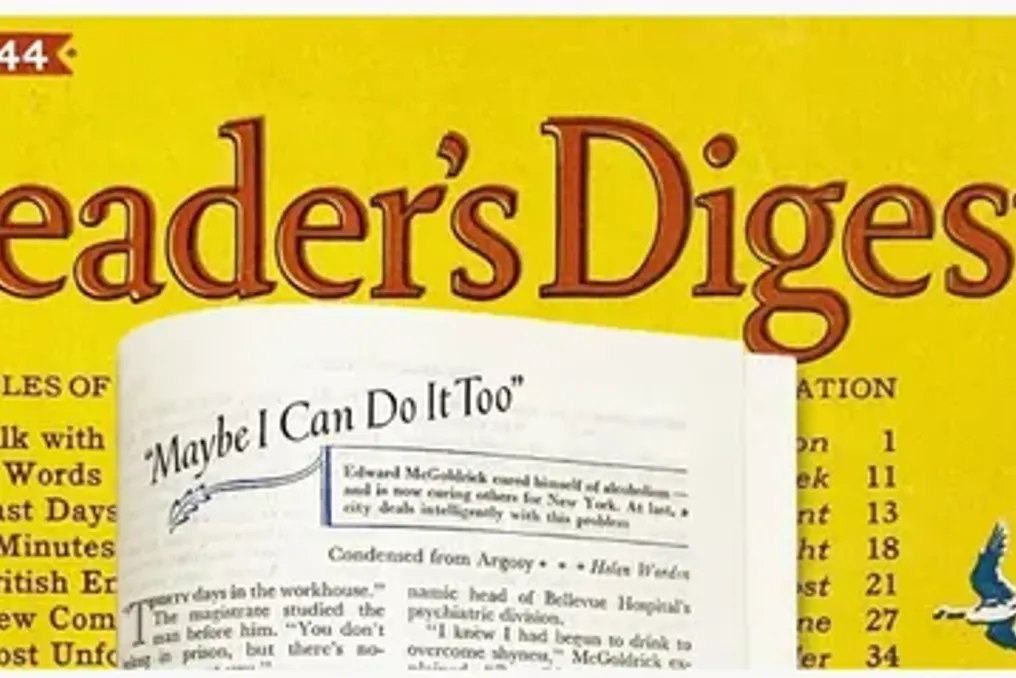
Historical materials, such as the cover of Reader's Digest from 1944 and articles on alcoholism, illustrate the literature that contributed to raising awareness about recovery and played a role in the history of AA in South Africa.
A glimpse into AA’s history:
The history of AA in South Africa began in 1946 when two South Africans independently learned about the fellowship through Reader's Digest magazine and contacted its headquarters in New York. Solomon M, a court interpreter from Alexandra, Johannesburg, found a discarded copy of Reader's Digest and was inspired by an article about AA. Although he is recognized as the first AA member in South Africa, he did not establish a local group.
Shortly thereafter, Arthur C., a broker from Parktown, also contacted the AA headquarters. After receiving excerpts from the Alcoholics Anonymous 'Big Book,' he gathered six friends, which led to the first AA meeting in South Africa on October 18, 1946.
Since then, the fellowship has expanded across the country. Today, AA's presence in KZN stretches from the North Coast through Durban and the South Coast to Pietermaritzburg and surrounding districts. Despite social stigma associated with this disease hindering people from seeking help, the organization observes a noticeable increase in young people seeking support.
Alexi notes that the number of people under 30 seeking help has significantly increased, partly attributed to the reduction of stigma surrounding alcoholism due to social and television media. AA also strives to refute the notion that alcoholism is merely bad behavior or a sign of weak character. Alexi emphasizes that the disease should be viewed with compassion and understanding, adding that condemning drunken behavior does not aid recovery.
This message extends to families and friends, who, according to AA, can play an important role in encouraging an alcoholic person to seek appropriate help rather than simply judging their behavior. For those who are afraid or embarrassed to attend a first meeting, Alexi assures that thousands have recovered through AA, and membership in AA is strictly confidential. She advises newcomers to attend two or three meetings before deciding if AA is right for them, while also highlighting the availability of other legitimate treatment facilities.
The anniversary celebration will take place in KwaZulu-Natal at the AA Regional Forum on October 18. The national event is the AA National Conference, scheduled for March 27–29, 2027, at the Deutsche Internationale Schule in Johannesburg. Eighty years for a fellowship founded on anonymity, service, and shared experience represent an outstanding legacy, but the anniversary also serves as a reminder that recovery remains an ongoing journey, and behind the statistics are people and families hoping for a different future. People needing help for themselves or a loved one can call the South Africa AA national hotline at 0861 435 722, which operates 24 hours a day.