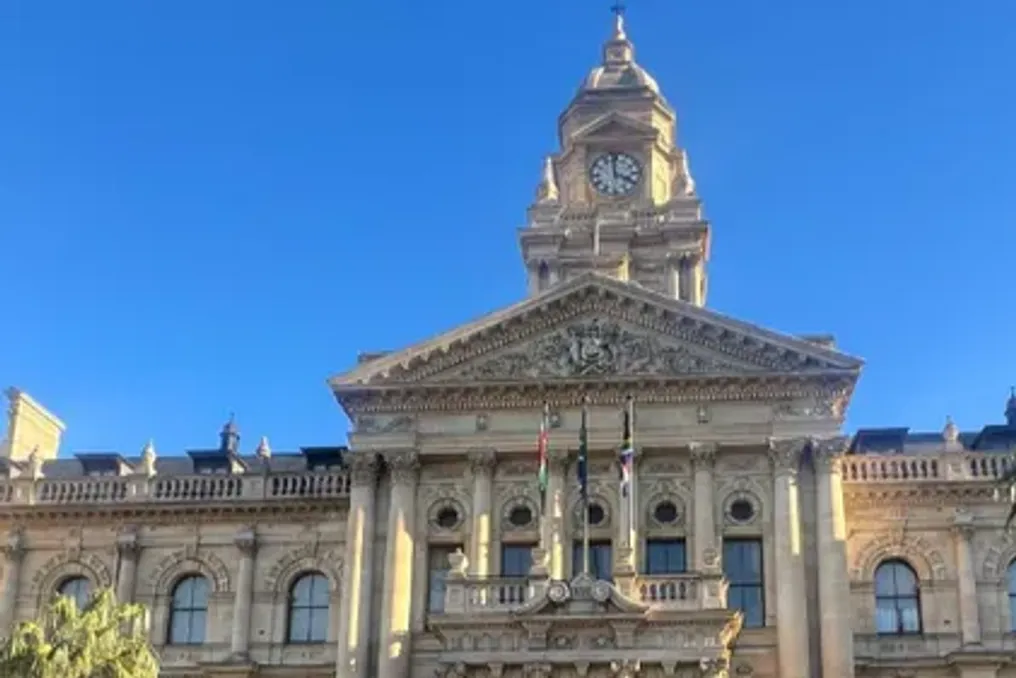
The city of Cape Town continues to act as the economic engine of the Western Cape, contributing 72% of the Gross Regional Product (GRP) and 62.8% of employment in the province in 2024.
These figures were presented in the Municipal Economic Review and 2025/26 Forecast (MERO), which was tabled by the Provincial Treasury in the legislative body on Tuesday. According to the MERO report, first presented by Finance Minister Deidre Bartman in March, the GRP of the Metropolis reached 666.3 billion rand in 2024.
Despite the total number of jobs reaching 1.6 million, the Metropolis also saw a reduction of 24,125 jobs, and the unemployment rate for the same period stood at 25.2%.
Provincial Treasury economist Ashley Rasul, who presented the report before the Budget Committee, noted that the Metropolis reflects the overall economic climate and condition of the province. He emphasized that this is not an isolated factor for the Western Cape but a historical characteristic of the South African economy, where megacities are the economic centers.
Rasul pointed out that the Metropolis's economy is largely based on financial services. He warned that GRP growth without job absorption is meaningless, as it exacerbates inequality and social problems, which can lead to protests and socio-economic instability.
In Rasul's view, the economy's ability to grow depends on two main factors: the level of workforce qualification and its inclusion in key growing sectors of the economy, as well as the infrastructure supporting economic activity.
The Metropolis's economy relies on the tertiary sector, including transport, warehousing, communications, and finance. Rasul noted that this highly skilled sector with a low degree of job absorption drives the economy of the Metropolis and the Western Cape.
He added that in the near future, the secondary sector—specifically manufacturing and construction—will play a decisive role in the economy. Manufacturing, which has a significant comparative advantage, contributed only 0.1% between 2021 and 2023 and is not projected to grow significantly. Similarly, construction is expected to contract, which presents a problem.
Rasul also indicated that the port remains a strong driver of growth and an area for future development. While retail, hospitality, and public services provided employment stability, there is a need to focus on the absorption of low-skilled and medium-skilled workers.
The expert stated that the city is under pressure in the manufacturing and construction sectors. He stressed that for the recovery of the economy, whether regional or national, the primary step must always be the development of manufacturing in any society.
Rasul mentioned the need to expand the port and the proposed new airport, highlighting the immense importance of these projects for the economy. Furthermore, he noted that the Metropolis positions itself within the green economy, particularly in terms of manufacturing. This opens up new opportunities but requires new skills, which skill development strategies must target from middle school through FET colleges to align with this economy.
He further indicated that infrastructure and construction could become major economic drivers due to historically high rates of job absorption. Opportunities include expanding the green economy, utilizing tourism recovery, and accelerating infrastructure investment.
Rasul appealed to members of the Legislature to consider climate risks, security issues, and water problems that exist not only in the city but throughout the province. He concluded that despite noticeable population growth, the Metropolis will always be the strongest economy in the province but also a victim of the internal migration pattern requiring basic services. He also noted persistent challenges with rising energy and water costs, naming self-financing of infrastructure investment, skills development, and education as key policy decisions to consider.