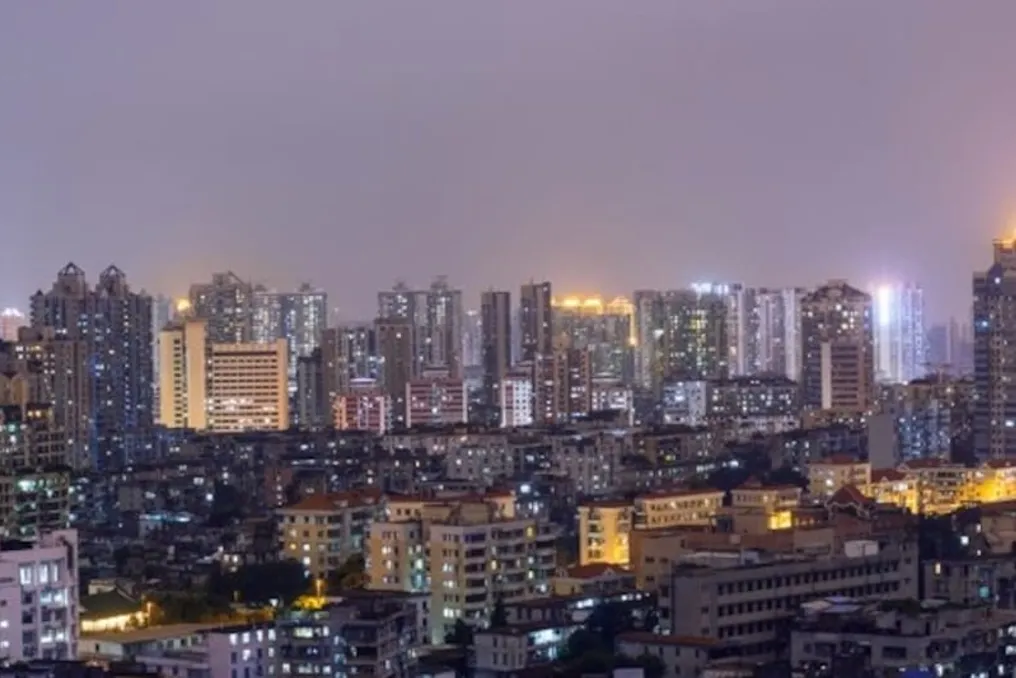
The downturn in the Indian real estate market is attributed to global tensions and disruptions in the technology sector. According to the report 'Real Insight Residential' published by Orm Proptech Limited, uncertainty among investors, caused by the US-Iran war, coupled with the pre-monsoon slump and IT company layoffs driven by artificial intelligence (AI), has significantly impacted housing sales.
In the second quarter of this year, only 91,729 homes were sold across the country's eight largest cities, representing a 6.1% decrease compared to the same period last year (97,674 units) and a 4.4% drop from the previous quarter. The decline was most pronounced in homes priced under 1 crore rupees in technology hubs.
The report indicates a sharp decrease in demand in the western and northern regions of the country. Pune experienced the largest year-on-year fall at 20.8% (12,642 units), followed by Ahmedabad with a 20.2% drop, and Bangalore with a 9.2% decrease. Delhi-NCR and Mumbai (MMR) markets recorded an annual decline of 7%, although Mumbai remained the country's largest market with 24,112 units sold.
Conversely, Chennai in South India demonstrated impressive growth of 36% (7,183 units), while sales in Hyderabad increased by 14.6%. Kolkata showed the fastest quarterly recovery at 22%.
Despite softening sales figures, the trend of rising real estate prices across the country persists. The average rate across all eight cities rose by 1%, reaching 10,153 rupees per square foot, remaining above the 10,000 rupee mark for the second consecutive quarter. Bangalore recorded the highest annual price growth at 26% (9,931 rupees/sq. ft.) despite lower sales. Mumbai proved to be the most expensive market at 15,422 rupees per square foot, while Pune surpassed the 8,000 rupee mark for the first time, reaching 8,084 rupees. Ahmedabad remained the most affordable market at 5,295 rupees per square foot, though it also saw a 7% quarterly increase.
Despite sluggish demand, developer confidence remains high. This has resulted in a 6% year-on-year increase in new project launches, with a total of 89,161 new units entering the market. Hyderabad led the growth in new launches at 21.6% due to the strength of the IT, pharmaceutical, and data center sectors. Although overall sales figures decreased, the pace of old stock absorption remains higher than new home sales, supporting the balance between supply and demand.