The task of shooting down a small drone is a complex problem because an anti-aircraft missile system can cost hundreds of times more than the drone it is supposed to destroy. Electronic jamming methods are only effective as long as the drone uses its own navigation, and artillery systems require line of sight and leave debris on the ground.
A solution gaining popularity is the use of a faster drone capable of intercepting a slower one. Speed is critically important for this, creating a different engineering challenge for a small aerial vehicle compared to optimizing for flight duration. The interceptor is designed to operate for minutes, not hours, and all characteristics are sacrificed for the ability to quickly close the distance.
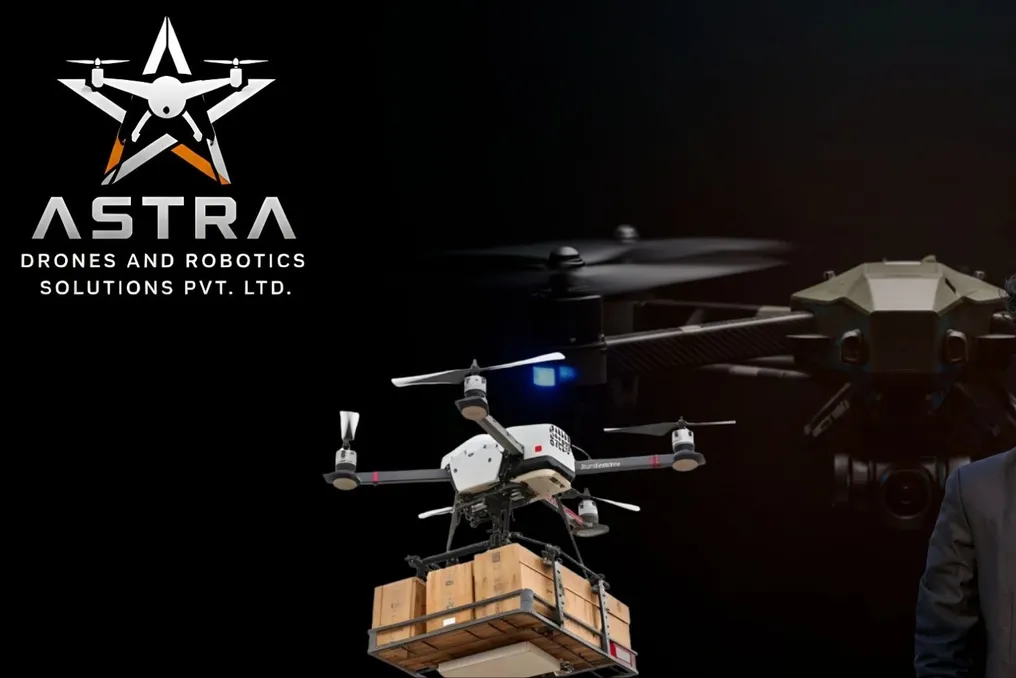
Solutions was founded in 2025 by Sartak Ghaira and Siddharth Kushwaha with the goal of creating such a device. The company is based in Punjab and is located in the Technology Business Incubator of the Fund at IIT Ropar. It positions itself as a developer of unmanned platforms specifically designed for Indian needs.
The company emphasizes the difference between building a system from scratch for Indian conditions and adapting an imported system. Different terrain conditions, temperature ranges, dust, and specific threats that the system must counter require an individual approach, as platforms developed elsewhere may contain inapplicable assumptions.
The company's first product is a high-speed interceptor, which, according to the company, helps deal with aerial threats while reducing dependence on imported technologies. In July 2026, the company announced entry into the loitering munition segment with its own strike drone, transitioning from defensive to offensive systems within a year of its founding.
An argument in favor of domestic development of critical systems is the increased security of supply chains, as well as the formation of intellectual property and manufacturing capabilities in India instead of licensing. The company's long-term direction is autonomy: integrating robotics, artificial intelligence, and autonomous decision-making so that platforms can perform more complex missions with less human involvement. Although this direction aligns with the general industry trend, it is currently only a goal, not a realized development.
ASTRA operates in the fields of defense, surveillance, disaster response, and industrial applications, although its public activity is currently focused on the defense sector. Disaster response technologies are largely similar to surveillance technologies, which explains why drone companies often cite both areas.
Punjab is a relevant base because the state is located on a border where small drones have become a frequent problem, and its universities and industrial base actively participate in drone countermeasures efforts. Incubation at IIT Ropar provides the company access to research infrastructure and technical expertise that would otherwise be unavailable to it at such an early age. Incubators like IIT Ropar typically provide startups at this stage with access to laboratories and institutional authority, substituting for the capital usually raised in a venture funding round. This is important because a hardware company at such an early stage can generally demonstrate little to a private investor. No funding rounds have been announced, and there is no public information regarding the specifications of the interceptor or strike drone, nor about customers, trials, orders, or deliveries.
The company has existed for about a year, and only two product announcements are publicly known. The procurement process in India's defense sector involves trials, qualification, and orders, which usually takes years, not months. Whether any of these products will ultimately find a buyer will only become clear after a long time.