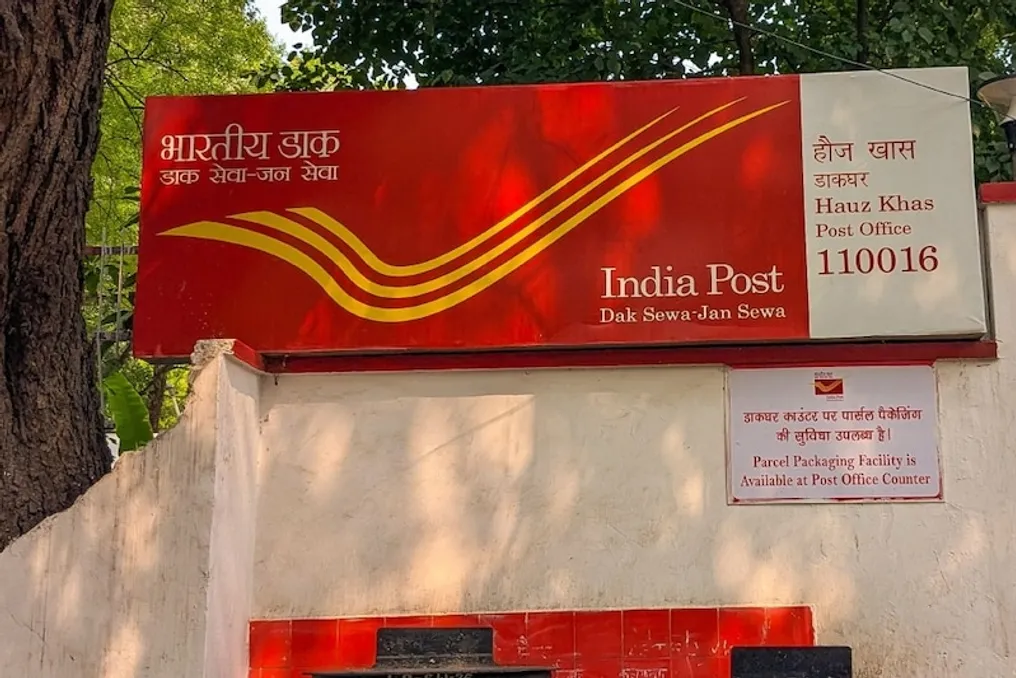
A significant portion of the population still invests in post office schemes; many have even opened savings accounts at the post office. In this regard, the government has established specific rules for the proper functioning and maintenance of order in post offices.
One of these rules is the charging of fees for services. This fee applies to all types of accounts, ranging from post office savings accounts to small savings programs. Most people are unaware of these rules. Next, we examine what charges the postal service levies for documents such as a passbook and receipts.
If a person loses or damages a post office passbook, they must pay a fee. According to the official post office website, a fee of 10 rupees is charged for issuing a passbook in place of a lost or damaged certificate for each registration. Furthermore, 50 rupees must be paid to issue a duplicate passbook.
On the other hand, if a bank statement or deposit receipt is required, one will have to pay 20 rupees. However, no fee is charged for cancellation or denomination change.
When opening an account at the post office, items such as a passbook are provided free of charge. But if they are lost, the user has to pay for the reuse of this service. If the post office did not introduce such rules, it would have to cover the costs of manufacturing a new passbook itself. It is assumed that if thousands of such passbooks are reissued, the costs could amount to millions of rupees.
Thus, the post office charges people seven different types of fees. Three types of charges relate to the passbook, and the remaining four relate to other services.