According to analysts, the FMCG sector showed stronger results in the first quarter of fiscal year 2027, with revenue growth accelerating to approximately 15% year-over-year (Y-o-Y), compared to 11% in the fourth quarter of fiscal year 2026. This improvement was widespread, and signs of recovery were also observed in sales volume growth.
Key positive factors noted by analysts included increased demand in rural areas, the trend towards premiumization, and a gradual recovery in consumption. Nevertheless, important factors requiring monitoring remain, such as rising raw material costs and sales volume sustainability. Among the companies that attracted attention in the reviews were Marico, Nestlé, Tata Consumer, and others.
Detailed Performance Analysis
Research analyst Sandeep Abhanghe of LKP Securities noted that this was one of the strongest quarters for the FMCG sector recently, as the improvement in metrics affected large, medium, and small companies. He reported that HUL showed a base sales growth of 10% with a volume increase of 5%, while Marico achieved an internal sales volume growth of 11%, indicating improved consumption beyond mere pricing adjustments.
Abhanghe added that the profitability situation remains manageable, although it is becoming increasingly heterogeneous. Companies managed to offset higher costs for palm oil, crude oil-related raw materials, and packaging expenses through precise pricing, improved operational efficiency, and enhanced product assortment. He emphasized that Marico's 25% net profit growth despite raw material cost volatility, along with Dabur's 60 basis point margin improvement, demonstrates that major players are currently managing pressure reasonably well. He warned that while slowing crude oil prices are a plus, palm oil, edible oils, and packaging remain risks, especially for personal hygiene and food production companies.
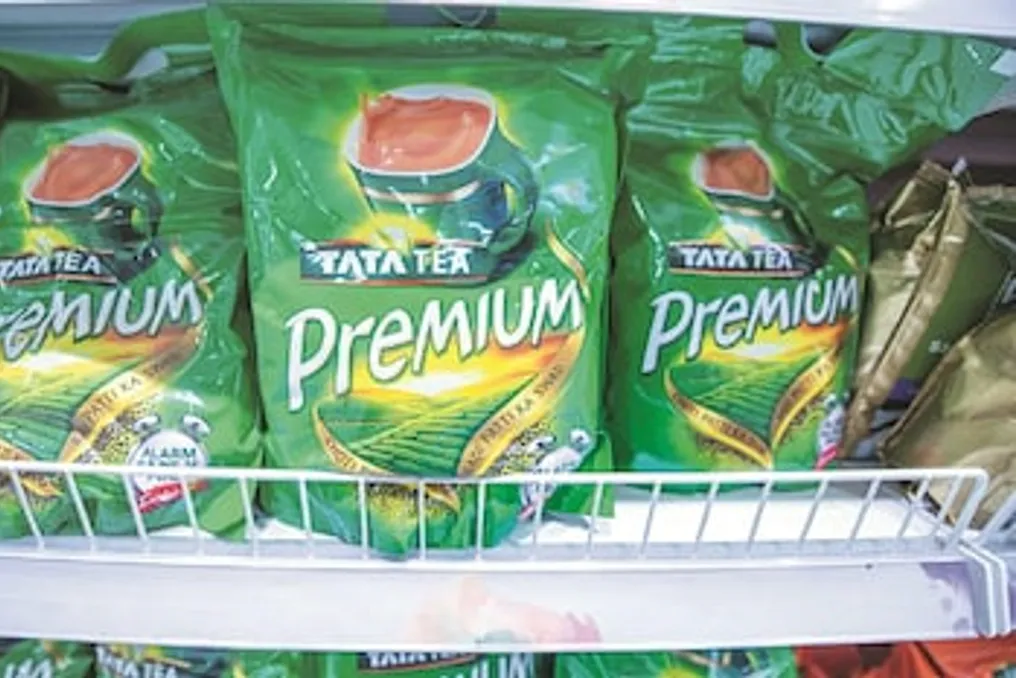
Among other stocks, Tata Consumer and Dabur offer a balanced growth profile, while Mrs Bectors is interesting due to its potential in bakery production and exports. Sunny Agrawal from SBI Securities stated that overall FMCG sector performance was quite good, with stable volume growth. Most companies reported volume growth ranging from moderate to high single digits in the first quarter of fiscal year 2027, with Marico and Tata Consumer Products reporting business volume growth in India of 11% and 13% respectively.
However, he noted that regarding margins, the quarter was still supported by low-cost inventory, while most companies indicated that greater pressure from rising raw material costs, particularly in packaging, is expected in the second quarter of fiscal year 2027.
Cost Pressure and Outlook
Current volatility is driven by cost pressures and inventory cycles; companies are responding through adjusted price hikes, premiumization, and cost efficiency improvements. Agrawal believes that future key indicators to watch will be volume growth, gross margin, rural demand, and the ability of companies to pass on increased raw material costs without affecting consumption.
The JM Financial review for the first quarter of fiscal year 2027 indicates that rural markets continued to outperform urban markets, and adjusted price hikes and stable volumes sustained double-digit sales growth for the third consecutive quarter. However, the brokerage firm noted that the gross margin suffered for several companies due to raw material cost inflation, with GCPL and Jyothy Labs showing the sharpest contraction. Nevertheless, reduced advertising and promotion spending, along with tighter cost control, helped mitigate most of the pressure, keeping EBITDA margins generally stable.
JM Financial forecasts that Nestlé, Marico, Honasa, and Tata Consumer can maintain sales momentum and expand margins throughout fiscal year 2027, while noting risks related to demand elasticity, commodity volatility, and weak monsoon. The firm expects prospects to improve as the year progresses, as management commentary points to better growth in 2027 and a stronger second half of fiscal year 2027 compared to the first. Healthy double-digit sales and EBITDA growth is also anticipated between 2026 and 2028. Given the sector valuation at around 48 times forward earnings, JM Financial believes there is limited room for missing targets and prefers companies with higher earnings visibility, naming Marico, Nestlé, Honasa, and HUL among them.