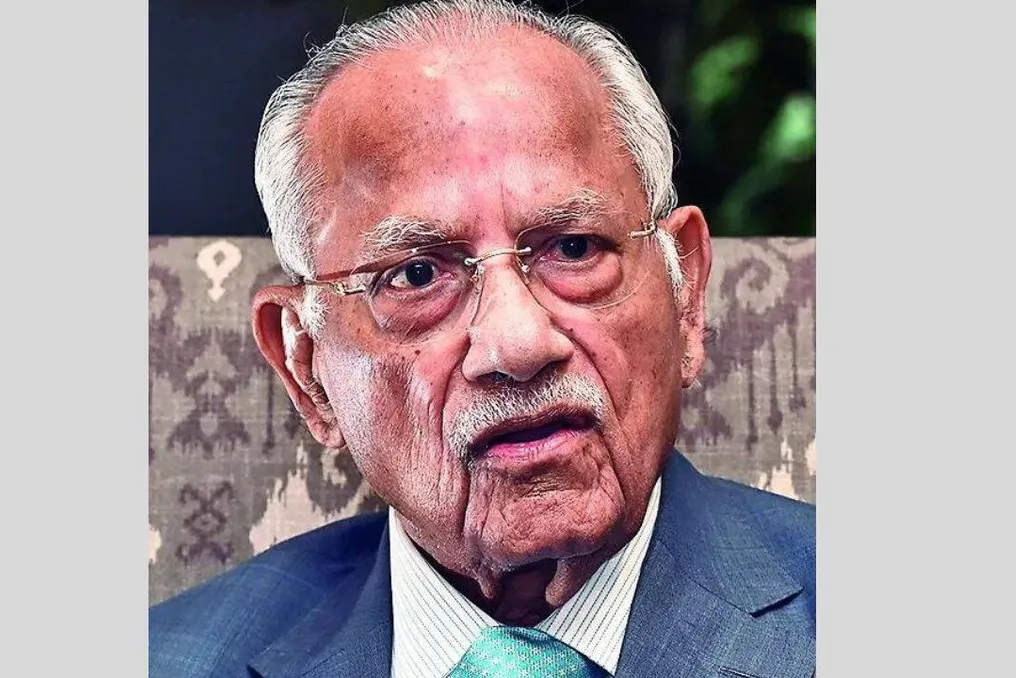
Pratap C. Reddy, founder and chairman of Apollo Hospital Group, expresses the conviction that India is capable of becoming a global provider of medical services. In an interview with TOI journalist Anuja Jaiswal, he discussed the transformation of healthcare in India, preventive medicine, the application of artificial intelligence, pricing, and Apollo's expansion plans.
Reddy noted that although recent data indicates a deterioration in several health indicators among Indians, the main problem is that people do not prioritize their health, seeking help only after illness strikes. He emphasized that his vision is achieving Health and Happiness at Home (HHH), which is only possible if individuals take responsibility for their own health.
Regarding the growth of the private healthcare sector, Reddy acknowledged the significant work of the government and the existence of programs, but pointed out that the country's vast size and geographical features remain a challenge, especially in remote areas. He noted that private hospitals have achieved outstanding success. Comparing the situation to when he returned from the USA, he stated that today hundreds of high-class institutions operate in India, attracting patients from all over the world due to the availability of the best equipment and doctors.
He stressed the need for the complementarity of public and private healthcare. In Reddy's opinion, India is ready to become a global healthcare hub because it can provide advanced treatment at a significantly lower cost compared to many other countries. Given its young and large population, India can help meet the global demand for around 9 million doctors, nurses, and other healthcare workers by the end of the current decade.
To ensure minimal risk for patients and achieve good outcomes, treatment protocols must be strict. Tertiary hospitals are increasingly following standardized protocols, and the medical education system is also changing. However, there is the task of ensuring that these improvements reach the entire country.
Reddy believes that artificial intelligence is a powerful tool for doctors, capable of increasing the speed and accuracy of diagnosis, as well as providing access to a huge volume of information. Nevertheless, he categorically stated that AI cannot replace a doctor. Instead, AI should give doctors more data and time to interact with patients and provide quality care.
Responding to a parliamentary committee's suggestion to link private hospital tariffs to three-star hotel rates, Reddy called this comparison erroneous. He explained that hospitals are fundamentally different from hotels because they are obligated to maintain patient safety standards, infection control measures, and medical infrastructure that hotels do not require. While hotels provide overnight accommodation, hospitals are designed to save lives. The costs of maintaining medical equipment, infrastructure, and qualified personnel cannot be equated with the cost of a hotel room. Any surplus funds are invested in expanding the network.
Concerning the further development of the healthcare value chain, from diagnostics to insurance and hospitals, Reddy announced plans to add ten more hospitals over the next five years, with three already in preparation. The company is expanding its presence in the Delhi-NCR region, planning to open a new hospital in Dwarka, where land has already been secured, as well as a modern 900-bed hospital in Gurgaon, expected to open around October.
As for Apollo's management, Reddy stated that it will be a combination of family and professional management. His daughters participate in the organization in various roles, and a strong team of professional leadership is responsible for project implementation. However, regarding family ownership, he intends to eventually place Apollo under a trust to ensure the institution's continuity regardless of individual family members.