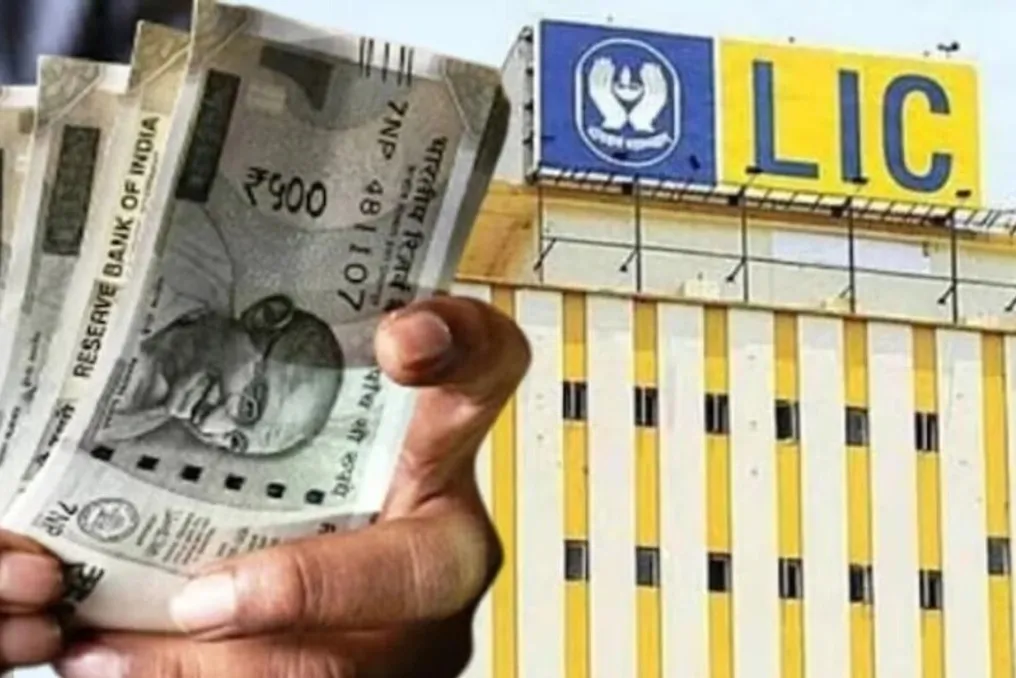
LIC to receive RBI approval to increase stake in HDFC Bank
Read more
Aaj Tak
www.aajtak.in

LIC to receive RBI approval to increase stake in HDFC Bank

The country's largest insurance company, LIC, is preparing to increase its stake in the country's largest private bank, HDFC Bank, and has received permission for this from the Reserve Bank of India (RBI). This change may affect the stock prices of both companies.

Information on this was presented by HDFC Bank through filings with the stock exchange. According to reports, LIC will be able to raise its stake to 9.99% by acquiring a block of shares.

HDFC Bank reported this information in regulatory filings after the close of trading on Wednesday. The document stated that LIC received RBI approval to increase its stake in the bank by purchasing shares.

It was also noted that as of August 14, 2026, LIC's stake in HDFC Bank was 4.11% according to depository data. Now, the insurance giant is allowed to increase this stake by 5.88%, bringing it up to 9.99%. Previously, LIC had applied to the RBI to carry out this purchase.

This deal is expected to directly impact LIC's shares. Last Wednesday, LIC shares closed at ₹413.05, showing a growth of 0.74%. Since this insurance asset had previously shown a decline, the news of increasing the stake in HDFC Bank may cause changes in the share price.

As for HDFC Bank, its shares closed at ₹720.65 on Wednesday, showing a slight decrease. Over the last month, HDFC Bank shares have dropped by approximately 8%. Furthermore, due to stock market fluctuations over the past six months, this banking asset has lost a significant amount, declining by 21%, which corresponds to a decrease in share value of approximately ₹192 per share.
Similar stories

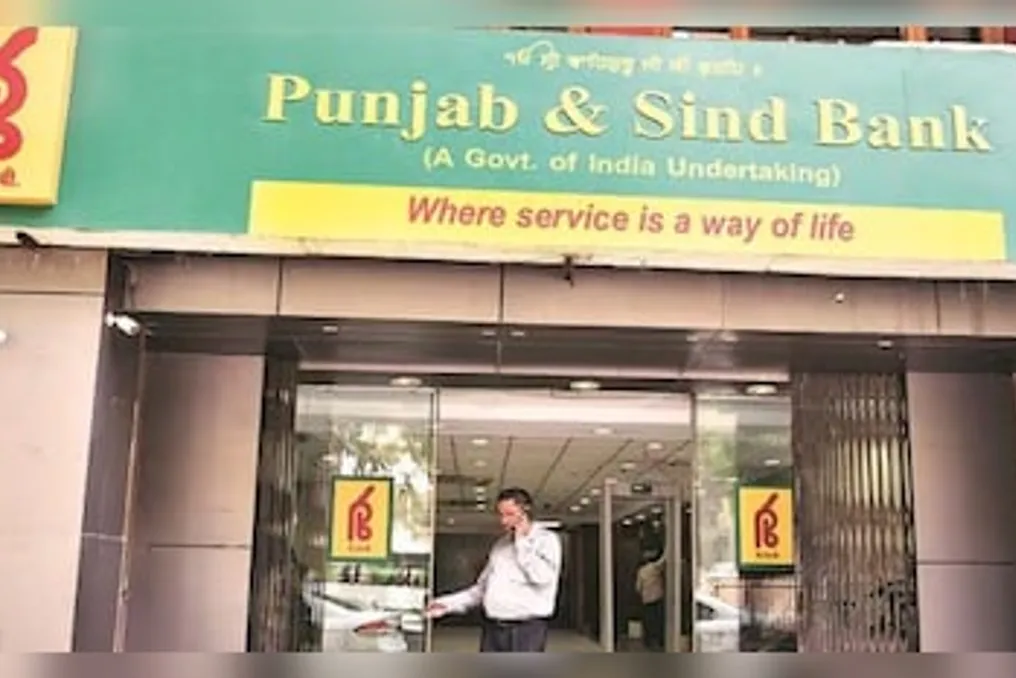
Punjab & Sind Bank considers QIP option to raise funds and reduce government stake
Read more
business-standard.com

Punjab & Sind Bank considers QIP option to raise funds and reduce government stake

Punjab & Sind Bank is exploring various ways to attract financing, including the use of the Qualified Institutional Placement (QIP) mechanism, to reduce its government stake and comply with the Reserve Bank of India's (SEBI) Minimum Public Shareholding (MPS) norms.

Currently, the government holds 93.85 percent of Punjab & Sind Bank shares, based in Delhi, which is the highest stake held by the Government of India in any public sector bank.

Swarup Kumar Saha, Managing Director and CEO of Punjab & Sind Bank, told PTI in an interview that the board of directors has approved raising funds through QIP and other methods as part of a phased reduction of the government stake.

He also specified that the bank has engaged brokers and legal consultants to implement this plan. This fundraising is expected to take place in the current financial year, depending on market conditions.

Furthermore, the bank plans to launch an IFSC Banking Unit (IBU) in GIFT City, Gandhinagar, by November of this year to establish an international banking presence. Saha noted that the bank has received the necessary regulatory approvals from both the Reserve Bank of India and the International Financial Services Centres Authority (IFSCA) for establishing the IBU.

According to Saha, the IBU will function as a foreign branch, opening up wide opportunities for expanding business in mobilizing non-resident foreign currency (Foreign Currency Non-Resident (Bank)) and external commercial borrowings. This will help increase the bank's balance sheet size and allow it to engage in foreign currency business.

The bank has already prepared personnel and selected an IT vendor, and IT system integration has begun, so the IBU is planned to launch by November.

It should be noted that the deadline for the special relaxation granted by the government to comply with MPS norms for central public enterprises and financial institutions expires in 2026 and is likely to be extended for another two years, as government entities will not be able to meet these norms in the current month.

Compared to Punjab & Sind Bank, three other banks have a minimum public shareholding below 25 percent: Indian Overseas Bank from Chennai, where the government stake is 92.44 percent; UCO Bank from Kolkata with a stake of 90.95 percent; and Central Bank of India from Mumbai with a stake of 81.19 percent.

Popular