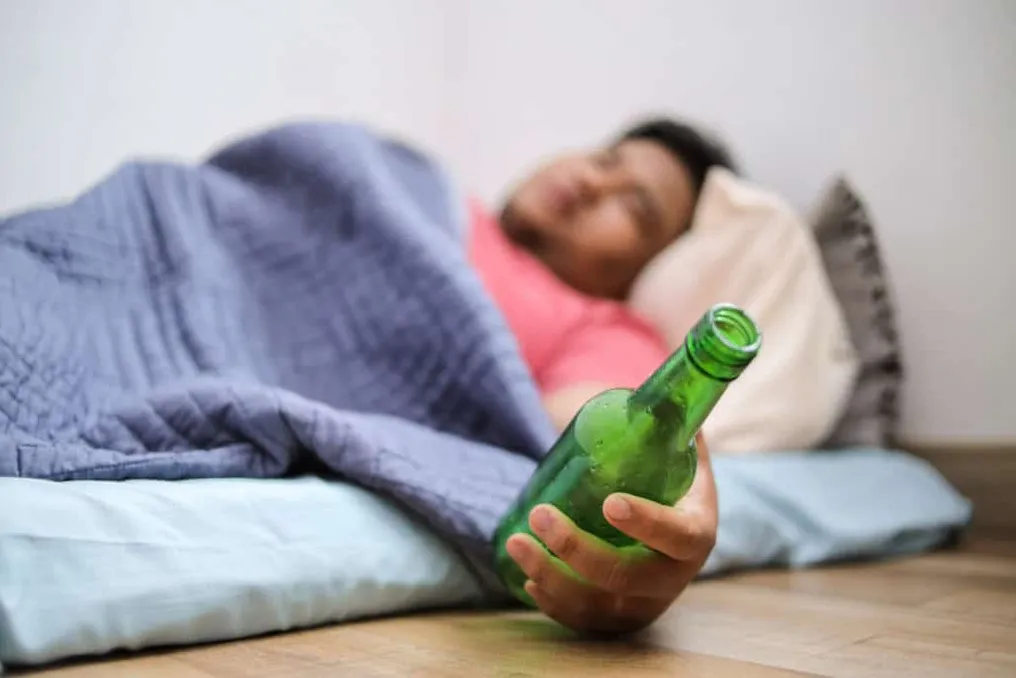
Although sleeping eight hours a night is often associated with good rest, the quantity of hours alone does not guarantee adequate sleep. It is possible to spend eight hours in bed and wake up without energy due to fragmented sleep, the influence of substances like alcohol, misalignment with the biological clock, or the presence of some disorder.
The American Academy of Sleep Medicine (AASM) and the Sleep Research Society suggest that adults should sleep at least seven hours regularly. These entities also consider quality, timing, consistency, and the absence of problems as essential elements for healthy sleep.
Lúcio Huebra, a neurologist, sleep physician, and member of the Administrative Council of the Brazilian Sleep Academy, emphasizes that there is no fixed ideal number of sleep hours for everyone, as the need varies individually, requiring consideration of quality and regularity, in addition to quantity.
When analyzing sleep, Huebra focuses on three pillars: quantity, adjusted to personal needs; quality, which covers the ease of falling asleep and staying asleep; and how the person wakes up and conducts the day, observing signs such as fatigue, drowsiness, attention, and concentration.
Cláudia Moreno, full professor at the Faculty of Public Health at USP and coordinator of the Sleep Chronobiology Center of the Brazilian Sleep Academy, explains that the biological clock is part of a circadian timing system that organizes bodily functions throughout the day, synchronized by the light and dark cycle to structure periods of wakefulness and sleep.
Huebra clarifies that nocturnal awakenings are normal, and the notion that sleep occurs in one continuous block is a misconception. However, fragmentation becomes problematic when it affects the continuity of rest. Studies show that maintaining the same total sleep time does not negate the harm caused by repeated interruptions, which reduce alertness and impair attention tasks the next day.
This fragmentation is not always perceived by the individual. Huebra cites cases of patients with severe apnea who report sleeping well, but who, on polysomnography, show multiple events of respiratory difficulty and sleep fragmentation.
The way a person feels upon waking requires careful analysis. Huebra distinguishes drowsiness, tiredness, and the feeling of being groggy immediately after waking up. He defines drowsiness as related to the maintenance of sleep pressure, tiredness as an indicator of non-restorative sleep, and the initial difficulty resuming activities as sleep inertia.
Sleep inertia can occur naturally, especially if waking up during deep sleep, not implying a serious problem in itself. Furthermore, what happens before going to sleep can impact rest, such as in the case of alcohol.
Alcohol is a central nervous system depressant that can initially cause sedation. However, the specialist points out that it inhibits REM sleep and its muscle relaxation can intensify snoring and increase respiratory instability, potentially leading to obstructive sleep apnea in sensitive people.
A 2024 meta-analysis, based on 27 studies, revealed changes in sleep architecture after alcohol consumption, including delays and reductions in REM sleep duration, even in low doses. Huebra adds that the effect of alcohol persists because it is metabolized in a few hours, causing a hyper-exciting rebound in the brain in the middle of the night, resulting in fragmentation, nightmares, and restless sleep. There is also a potential diuretic effect that increases nocturnal awakenings.
Obstructive sleep apnea is another example where eight hours in bed does not equal eight hours of uninterrupted sleep, involving recurrent obstructions of the upper airways. Snoring, breathing pauses observed by others, and daytime drowsiness are literary signs of this disorder, often unnoticed by the patient themselves.
When apnea is suspected, the investigation involves medical evaluation and specific tests. The AASM recommends polysomnography as the gold standard for adults with clinical concerns, although home testing can be used in uncomplicated cases.
It is crucial to understand that waking up tired does not automatically mean having apnea; the investigation considers history and the set of symptoms. Moreno reinforces that the circadian system is regulated by the light-dark cycle, and sleep should occur when the body is able to rest, recognizing the differences between morning larks and night owls.
Regularity is vital, according to a 2023 consensus from the National Sleep Foundation, which highlights the importance of consistency in sleep start and end times for health and performance. A 2020 review analyzed 41 studies and correlated greater variability in sleep times with different health outcomes, although it did not define a universal limit of variation.
The concept of 'social jet lag' is defined by Moreno as the discrepancy between sleep times during the week and on weekends, being a phenomenon, not a disease. Light also regulates the biological clock: morning exposure helps regulate, while artificial nighttime light, especially blue light from screens, can interfere with the circadian system, depending on the time and intensity of exposure.
In summary, for those who frequently wake up feeling unwell after eight hours of sleep, the number is just an indicator. It is necessary to evaluate the quality, continuity, timing, and routine, because although occasional tiredness is normal, the persistent feeling of unrestorative sleep requires attention and investigation.