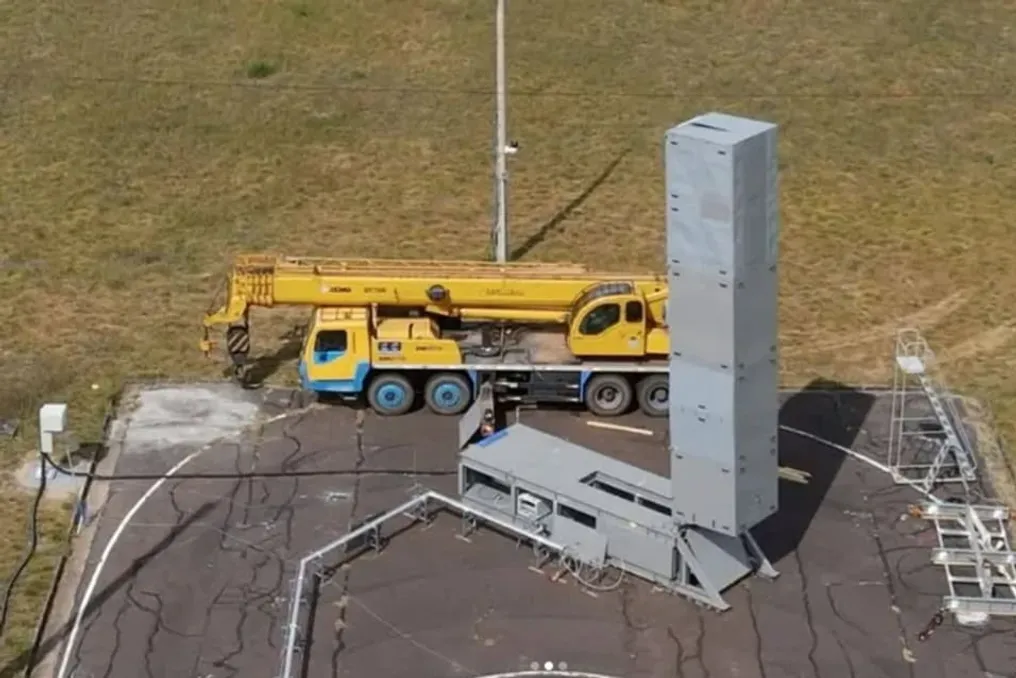
The South Korean SEBIT rocket was launched on Wednesday, the 19th, from the Alcântara Launch Center (CLA), located in the state of Maranhão. Professionals who attended the event on site confirmed the operation to CNN.
Despite the launch, there was no broadcast of the operation, and there is not yet enough data to attest to the success of the mission. According to reports provided to CNN, the procedure was executed through an agreement signed between ALADA, a Brazilian aerospace projects company, and the South Korean company INNOSPACE, following the schedule established for tasks under Brazil's responsibility.
All planned procedures for ALADA and the Alcântara Launch Center were fulfilled, including the completion of the flight. However, this does not allow for defining the outcome of the rocket's mission. INNOSPACE needs to analyze the data collected during the vehicle's monitoring and tracking before it can report on the launch performance.
Until this analysis is complete, it is not possible to declare that the SEBIT flight was successful. This launch integrates the collaboration between INNOSPACE and various Brazilian entities involved in national space activities. The South Korean company collaborates with ALADA, the Brazilian Air Force (FAB), and the Brazilian Space Agency (AEB) to operationalize its work from Alcântara.
Details about other vehicles and missions
The SEBIT differs from the HANBIT-Nano, another INNOSPACE rocket scheduled to be launched also from Maranhão. The HANBIT-Nano is classified as a small orbital launch vehicle and has a return-to-flight mission scheduled for November. This model experienced an interruption in its first commercial flight in December 2025 due to an anomaly that caused the vehicle to collide with the ground shortly after takeoff. The next mission aims to evaluate the improvements and quality assurance measures implemented by the company following the investigation of this incident.
For the specific case of SEBIT, the main focus this Wednesday was to conduct a test flight that could generate essential data for the vehicle's development and subsequent commercial use. The next step consists of awaiting the evaluation of the tracking and performance data by INNOSPACE, as only after this verification will it be possible to confirm whether the rocket achieved the objectives set for the mission.