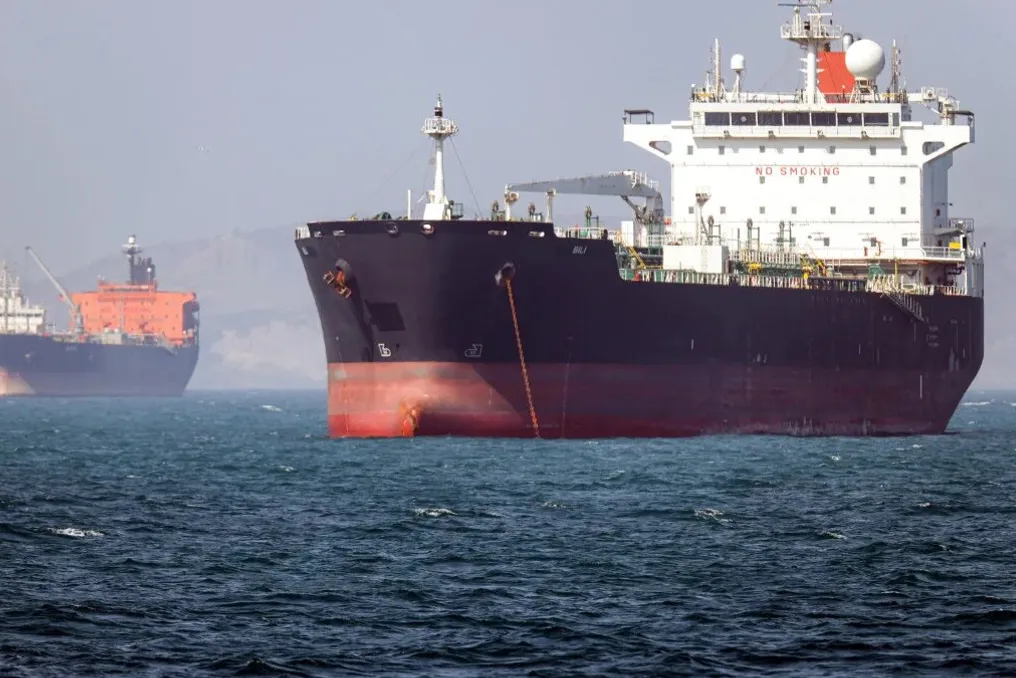
Supertanker owners are receiving payments of $510,000 daily for transporting crude oil from the Persian Gulf to Asia. This indicates high demand for vessels passing through this waterway amid ongoing hostilities in the region and the redirection of supplies to alternative routes.
According to a Bloomberg report from Wednesday, revenues on the Middle East-China route reached their highest level since June. This rising figure points to strong demand for transport, with some owners willing to risk war threats for profit.
US President Donald Trump stated on Wednesday that 'the strait is open right now. Many ships are passing. People are not reporting it.' One such operation, according to Bloomberg data, involved a very large tanker (VLCC) Mongolia Prosperity, owned by South Korean owner Sinokor. It is scheduled to load crude oil at an unnamed Persian Gulf port for delivery to East Asia, with the voyage valued at $31 million.
The truce, concluded in April regarding the war between the US and Israel against Iran, and extended in June, has effectively ceased in the Strait of Hormuz as each side attempts to establish its own blockade. Earlier this month, US military forces fired upon a Panamanian-flagged container ship, which the US claimed was attempting to pass through the Gulf of Oman into an Iranian port.
Meanwhile, the Multinational Maritime Information Center reports that one sailor died this week due to Iranian attacks on vessels passing through the region's waters. Despite this, Gulf states continue to export millions of barrels of oil to their Asian clients.
Hostilities create conditions where vessel owners willing to take risks can earn significant profits due to high demand and low supply of ships. The exchange-traded fund Breakwave Tanker Shipping ETF (BWET), which allows investors to bet on crude oil freight futures, has grown by an impressive 2200 percent since the beginning of the year. BWET sharply increased after the US and Israeli attacks on Iran in April, then declined after the ceasefire announcement, but subsequently soared in price during the summer as investors bet against a cessation of hostilities in Hormuz.
Houthi forces in Yemen have resumed attacks on ships in the Red Sea. To bypass the Bab el-Mandeb choke point, Saudi Arabia is forced to send oil via the SUMED pipeline to the Mediterranean Sea, from where it is loaded onto VLCC tankers. These vessels follow longer routes around the African Cape, which reduces the number of available ships in the market and increases prices.
The Trump administration insists that the Strait of Hormuz remains open and that more ships are passing through the waterway than is publicly reported. In its July report, the International Energy Agency stated that the UAE increased oil production to a historic high in June, pumping 4.1 million barrels per day. The UAE adopted a risky approach to sending ships through the Strait of Hormuz by disabling vessel tracking signals.