The way the World Cup is watched is changing. In addition to traditional broadcasting, the fan experience now includes vertical videos, various cameras, statistics, polls, and personalized content.
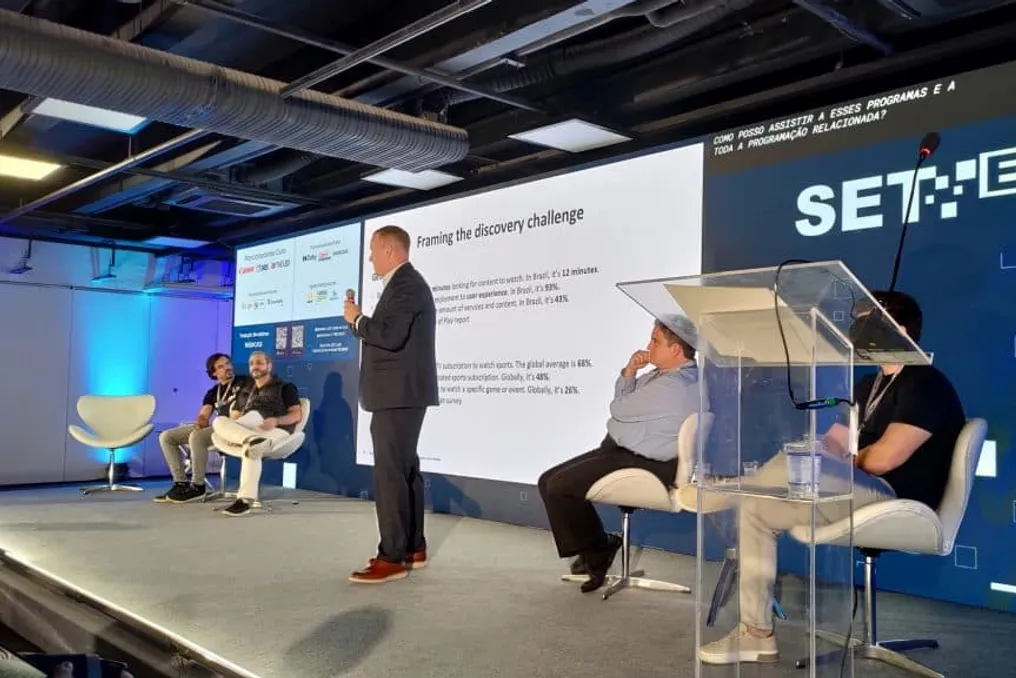
This topic was addressed at the panel 'New Fan Experience at the 2026 World Cup: Immersion, Interactivity, and Real-Time Data,' which took place during the SET Expo event.
There has been a rise in the consumption of vertical videos during the 2026 World Cup. According to data presented at the panel, one TikTok video garnered 130 million views.
Artificial intelligence is already capable of automatically converting images from 16:9 to 9:16 format. This technology uses metadata to determine player positions and select the video's focal point, even during live broadcasts. Furthermore, this format can function as a second screen, redirecting the user from short-form content to the full broadcast.
John Morash from Gracenote pointed out another issue: viewers take an average of 14 minutes to find a match, and 60% still face difficulties related to content accessibility.
One proposed solution is OnSports, which unifies various broadcasts, languages, channels, and platforms for a single event. Metadata also allows for recommending related content after a match or suggesting other ways to watch the competition, such as selecting a driver's camera during a Formula 1 race.
Tarik from Rooster demonstrated how various signals can be processed by artificial intelligence to generate real-time polls, quizzes, and statistics. In one example, a poll was created just seconds after Martinelli's goal against Japan and achieved 98.9% engagement.
The technology also supports contextual advertising. Instead of static advertisements, brands can react to events happening within the match itself. By 2030, it is expected that different viewers will be able to receive different content during the same event. One user might see vertical videos focused on their favorite player, while statistics, advertising, and interactions are tailored to their interests.
Despite persistent issues related to broadcast delay and synchronization, the development of data and artificial intelligence points towards a more personalized sports experience. Thus, watching the World Cup no longer means receiving the same broadcast for everyone; the same match can create a unique experience for every fan.